Faris Adani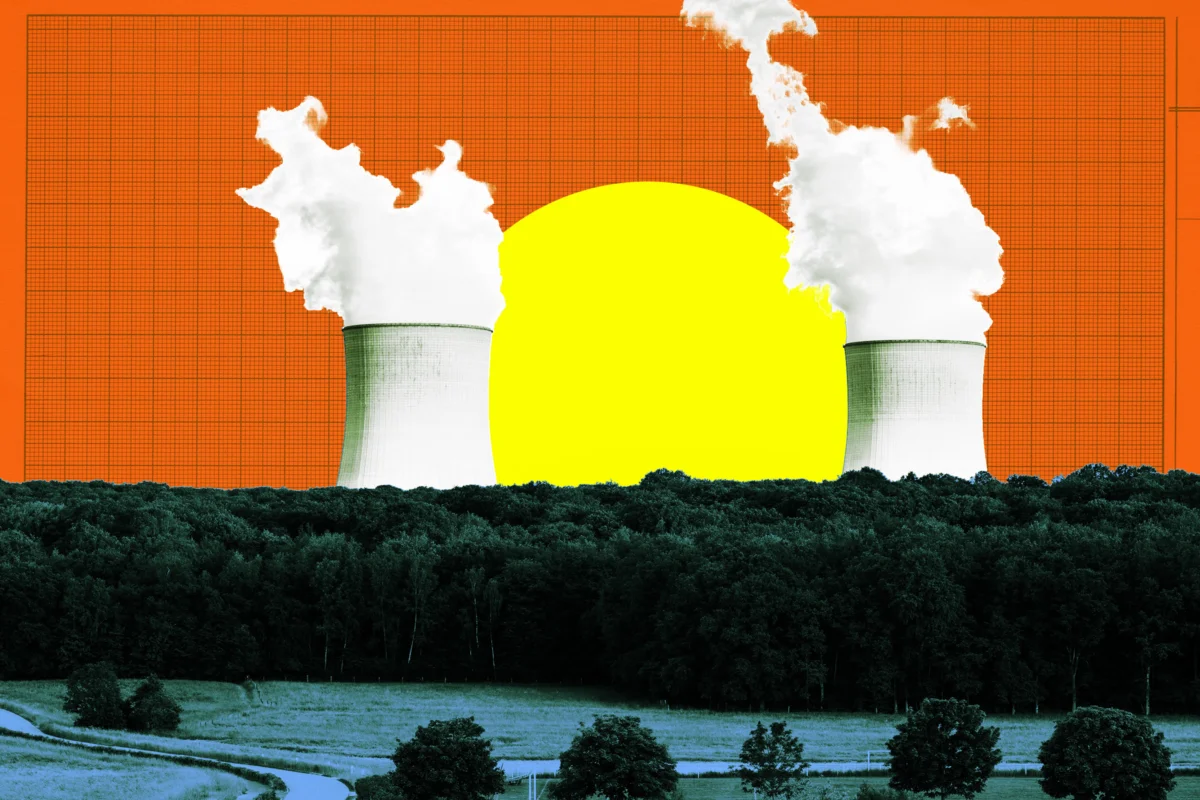
Illustration by Tag Hartman-Simkins / Futurism. Source: Getty Images
Sign up to see the future, today
Canât-miss innovations from the bleeding edge of science and tech
There’s a Glaring Safety Problem With Nuclear Energy Startups. The unique landscape of nuclear energy in the United States, characterized by its heavily privatized structure, is currently facing significant safety concerns as a new wave of atomic startups emerges, largely sidestepping established industry safety protocols.
Unlike many nations where nuclear fission is predominantly a government-controlled enterprise—such as China, which operates its reactors through robust state-owned entities, or France, which took the drastic step of fully renationalizing its primary nuclear company, EDF, in 2023 to ensure strategic control and stability—the U.S. entrusts its nuclear power generation almost entirely to the private sector. Proponents of the free market champion this approach, arguing that private enterprise fosters innovation, efficiency, and competitive pricing. However, critics and those outside direct financial interests in the nuclear race point to inherent drawbacks. These include persistent issues like chronic understaffing at facilities, and the controversial practice of public subsidies bolstering private profits, effectively socializing risks while privatizing gains. More critically, this privatization raises serious questions regarding safety, particularly as an increasing number of nuclear startups enter the fray, vying for a share of the burgeoning atomic energy market.
A recent investigation by *E&E News*, *Politico*’s energy publication, has brought this issue into sharp focus, revealing that several nascent nuclear companies are actively declining invitations to join the Institute of Nuclear Power Operations (INPO). This voluntary, non-governmental organization was established in the aftermath of the devastating partial meltdown at the Three Mile Island nuclear plant in 1979. Born from an urgent need to restore public confidence and prevent future incidents, INPO was conceived as an industry self-governance body. Its mandate includes conducting rigorous plant inspections, facilitating the sharing of vital operational guidance and best practices among nuclear operators, and providing crucial support for the training and qualification of nuclear personnel. For decades, membership in INPO has been an unofficial but universally accepted standard for nuclear energy companies in the U.S., signifying a commitment to operational excellence and safety that goes beyond mere regulatory compliance.
Historically, every nuclear operator in the U.S. has voluntarily joined INPO, acknowledging its critical role in maintaining a high collective safety standard. This precedent, however, is now being challenged by a new generation of nuclear startups. Fueled by the insatiable energy demands of the tech industry’s data center boom and the broader push for decarbonization, these nine new entrants are developing innovative designs like small modular reactors (SMRs) and advanced microreactors. Yet, only one of these nine startups has opted to join INPO, a stark departure from industry norms. Prominent among those reportedly abstaining are Aalo Atomics, a company focusing on “mass-manufactured nuclear” solutions, and Antares Nuclear, a “microreactor” developer. These companies represent a new frontier in nuclear technology, promising smaller, more flexible, and potentially cheaper reactors. However, their innovative approaches also come with novel safety considerations that require robust oversight and shared learning, precisely what INPO offers.
The underlying rationale for these companies’ reluctance to join INPO appears to be rooted in the pursuit of profit and accelerated deployment. As Scott Morris, a seasoned nuclear consultant and former official with the U.S. Nuclear Regulatory Commission (NRC), explained to *E&E News*, “These entities are businesses, and they’re trying to make money. Any infrastructure that you put around that entity that is not directly contributing to its bottom line, it’s going to be questioned.” For startups operating on venture capital timelines, every additional layer of oversight, training, or process improvement imposed by an external body like INPO can be perceived as a costly impediment to rapid commercialization. The perceived burden of adhering to INPO’s stringent standards, engaging in extensive peer reviews, and investing in advanced training programs may seem less appealing than simply powering up the uranium as quickly and cheaply as possible. This mindset risks prioritizing speed and financial returns over the painstaking cultivation of an uncompromised safety culture, a foundation upon which the entire nuclear industry is built.
This decision to bypass INPO is particularly alarming given recent shifts in the regulatory landscape, notably the regulatory cutbacks implemented during the Trump administration. These changes, widely reported by investigative journalism outlets like *ProPublica*, effectively transferred certain regulatory responsibilities from the government-backed NRC to the industry-led INPO. Historically, the NRC, as an independent federal agency, is responsible for licensing, oversight, and enforcement of safety and security regulations for civilian nuclear facilities. INPO, on the other hand, functioned as a self-policing body, promoting excellence beyond the NRC’s minimum requirements through peer evaluations and best practices. By delegating some of its authority, particularly in critical areas like operations and maintenance training programs, the NRC inadvertently elevated INPO’s role from a supplementary standard-setter to a de facto regulator in certain operational domains.
As Morris highlighted, “The NRC and INPO are not duplicative; they’re complimentary.” The NRC establishes the legal floor for safety, while INPO strives for the ceiling of operational excellence. With the NRC having offloaded some responsibilities, opting out of INPO effectively means that these startups are not merely avoiding an extra layer of voluntary best practices; they are sidestepping what has become an essential component of the U.S. nuclear regulatory framework for operational safety. This creates a concerning loophole where new nuclear operators might only adhere to the bare minimum federal requirements, or potentially even fall below the established industry-wide best practices that have ensured nuclear safety for decades.
The potential consequences of this trend are far-reaching. Nuclear power, despite its past controversies, is increasingly recognized as a crucial component of a low-carbon energy future, vital for combating climate change. The development of advanced reactors, including SMRs and microreactors, holds immense promise for providing clean, reliable power to remote communities, industrial sites, and data centers. However, the safe deployment of these new technologies hinges on meticulous design, rigorous testing, and an unwavering commitment to operational safety. Untested companies, operating without the benefit of INPO’s comprehensive safety framework—its inspections, peer reviews, and shared operational guidance—could introduce unforeseen risks. A single safety incident at one of these new facilities, even a minor one, could severely undermine public trust in nuclear energy, setting back the entire industry and jeopardizing its vital role in the global energy transition. It risks echoing the public backlash that followed incidents like Three Mile Island and Chernobyl, making it even harder to gain social license for future nuclear projects.
Addressing this glaring safety problem requires a multi-faceted approach. Stronger engagement from the NRC may be necessary to ensure that *all* nuclear operators, regardless of their size or novelty, adhere to the highest safety standards. The industry itself, through its established players, could exert pressure on new entrants to join INPO, perhaps by making membership a de facto requirement for partnerships, insurance, or financing. Ultimately, fostering a culture where safety is paramount, not an optional add-on, is crucial for the long-term viability and public acceptance of nuclear power in the United States and globally.
**More on nuclear energy: **Trucker Awarded $20,000 for Hauling a Massive Amount of Nuclear Waste