isnaini azizah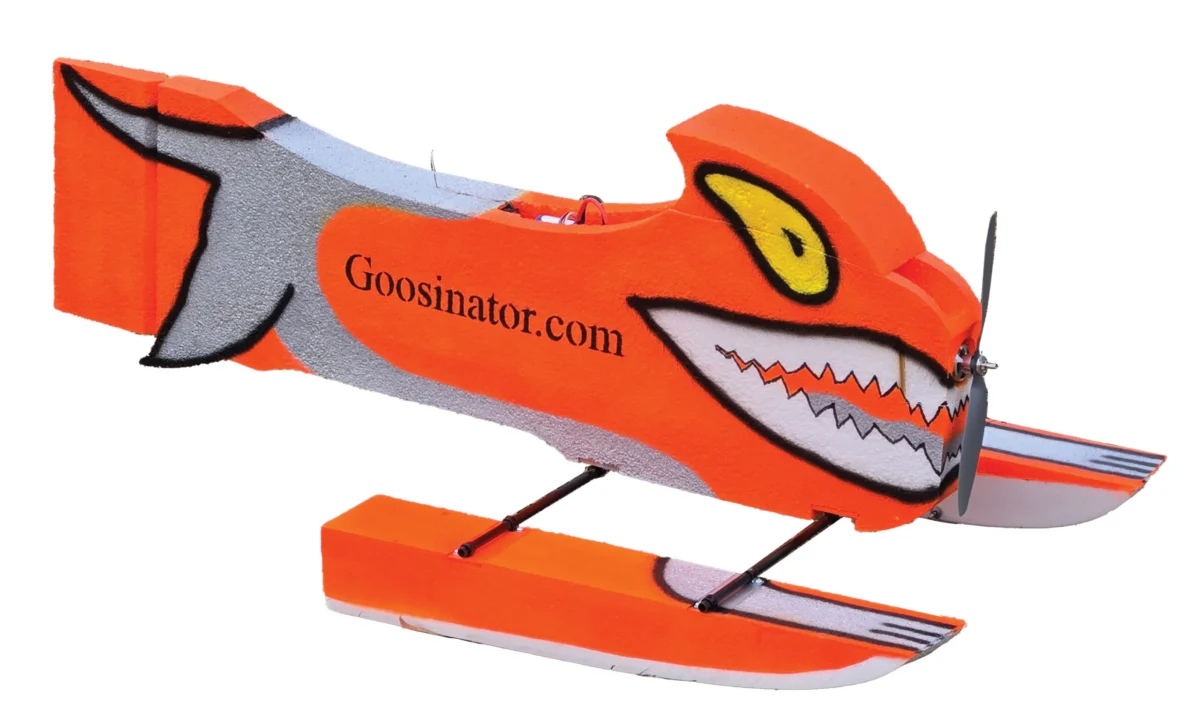
In a sun-drenched February afternoon, the order to "Pull over!" rings out, signaling the start of a determined pursuit. Our target: a sizable flock of Canada geese, busily grazing near the local dog park. As I cautiously approach, navigating the ubiquitous grayish-white droppings, a glint of white around one goose’s slender black neck catches my eye. It’s a GPS tracker, a crucial component of Foster City, California’s innovative, tech-driven campaign to manage its burgeoning goose population. This sleepy Bay Area suburb, home to approximately 300 Canada geese – a number nearly equivalent to 1% of its human residents – finds itself in an escalating conflict, a sentiment echoed in the common refrain: "This town isn’t big enough for the both of us." The pervasive goose droppings have long been a blight, notably blanketing the middle school’s lawn, and these birds have been a source of consternation for generations. Even the author’s grandmother recalls a five-minute ordeal where geese commandeered her garage, a memory tinged with frustration and a sense of helplessness, lamenting, "I wanted to kill them, but I thought I’d get in trouble."
Unfortunately for the geese, the idea of lethal intervention is no longer a viable option in Foster City. City officials, under pressure from local environmentalists, abandoned a prior proposal to cull 100 geese following significant public outcry. However, the persistent issue of goose feces presents a tangible public health hazard, necessitating a solution to relocate the birds. In response, the city has invested nearly $400,000, averaging an estimated $1,300 per goose, into a partnership with Wildlife Innovations, a firm specializing in human-wildlife conflict resolution. Their strategy, as explained by Dan Biteman, the project’s lead and senior wildlife biologist, is "basically, making the geese less comfortable." This approach is becoming increasingly vital as the rise in land development intersects with shifting animal behaviors, a trend observed not only with Canada geese across the U.S. but also with other species globally. From grizzlies on Montana prairies and coyotes on San Francisco streets to savanna elephants in Tanzanian parks, the need for sophisticated conflict resolution is escalating, prompting wildlife management professionals to embrace cutting-edge technology.

The implementation of these high-tech solutions is evident throughout Foster City’s parks. At Gull Park, adjacent to the tranquil lagoon, a discreet black camera is mounted on a tree trunk. These cameras, strategically placed in seven parks across town, are programmed to capture images every 15 minutes, transmitting the data to Wildlife Innovations’ headquarters. Upon detecting the presence of geese, a biologist is dispatched to humanely disperse the birds. The field teams are equipped with a diverse arsenal of tools, including lasers and drones, and are often accompanied by Rocky, a goose-repelling border collie whose presence alone is a deterrent.
A particularly novel and eye-catching element of the campaign is the "Goosinator." This remote-controlled pontoon boat, painted a vibrant neon orange and adorned with a fearsome dog-like mouth on its bow, is designed to tap into the geese’s innate fear of predators like coyotes. The boat’s design, coupled with its ability to traverse both land and water thanks to attachable wheels, allows it to actively pursue and scare away the birds. Wildlife Innovations is also exploring further technological enhancements, such as mounting speakers on trees to emit predator calls and deploying drones equipped to screech the alarm calls of red-tailed hawks and golden eagles, further amplifying the perceived threat to the geese.
The Migratory Bird Treaty Act requires federal permits for such interventions, and Wildlife Innovations has secured the necessary approvals to attach GPS trackers to ten geese. This allows for continuous surveillance and invaluable research into the birds’ behavior patterns and migratory movements, providing critical data to refine their dispersal strategies.

In public spaces frequented by the geese, "Wanted" style posters serve as a public announcement of the new initiative, informing residents about the city’s efforts. As the author observes a group of geese indulging in their natural behaviors – grazing and, inevitably, defecating – on a church lawn, a poignant thought arises: "Enjoy it while it lasts." This sentiment encapsulates the town’s determined, albeit unconventional, approach to reclaiming its shared spaces from its feathered inhabitants, leveraging technology to foster a more harmonious coexistence.
Annika Hom, an award-winning independent journalist with a portfolio of work for esteemed publications like National Geographic and Wired, brings a keen observational eye and narrative skill to this compelling story of human-wildlife conflict and technological innovation. Her personal connection to Foster City adds an intimate layer to the reporting, allowing readers to experience the problem and the proposed solutions firsthand. The narrative skillfully weaves together the personal anecdote, historical context, and the scientific and technological aspects of the goose management plan, offering a comprehensive look at a community’s unique approach to an age-old problem. The use of vivid descriptions, such as the "Goosinator" with its "fearsome dog-like mouth," brings the story to life and highlights the ingenuity and sometimes whimsical nature of human attempts to control wildlife.
The article underscores the broader trend of increasing human-wildlife conflicts driven by urbanization and environmental changes. The challenges faced by Foster City with its Canada goose population are not isolated incidents but rather symptomatic of a global phenomenon. As natural habitats shrink and urban environments expand, encounters between humans and wildlife become more frequent, demanding innovative and ethical solutions. The author’s exploration of the various methods employed by Wildlife Innovations – from GPS tracking and remote-controlled boats to specialized canines and potentially even sonic deterrents – showcases the evolving landscape of wildlife management. The substantial investment by the city, while seemingly high on a per-goose basis, reflects a commitment to finding a sustainable and humane resolution rather than resorting to more drastic and ethically contentious measures. The "Wanted" posters, a touch of public relations flair, serve not only to inform but also to engage the community in this ongoing effort. The story is a compelling snapshot of a town grappling with an ecological imbalance and opting for a technologically advanced, albeit unconventional, path toward restoring equilibrium. The underlying message is one of adaptation and the persistent human endeavor to shape and manage the natural world, even in our own backyards.