isnaini azizah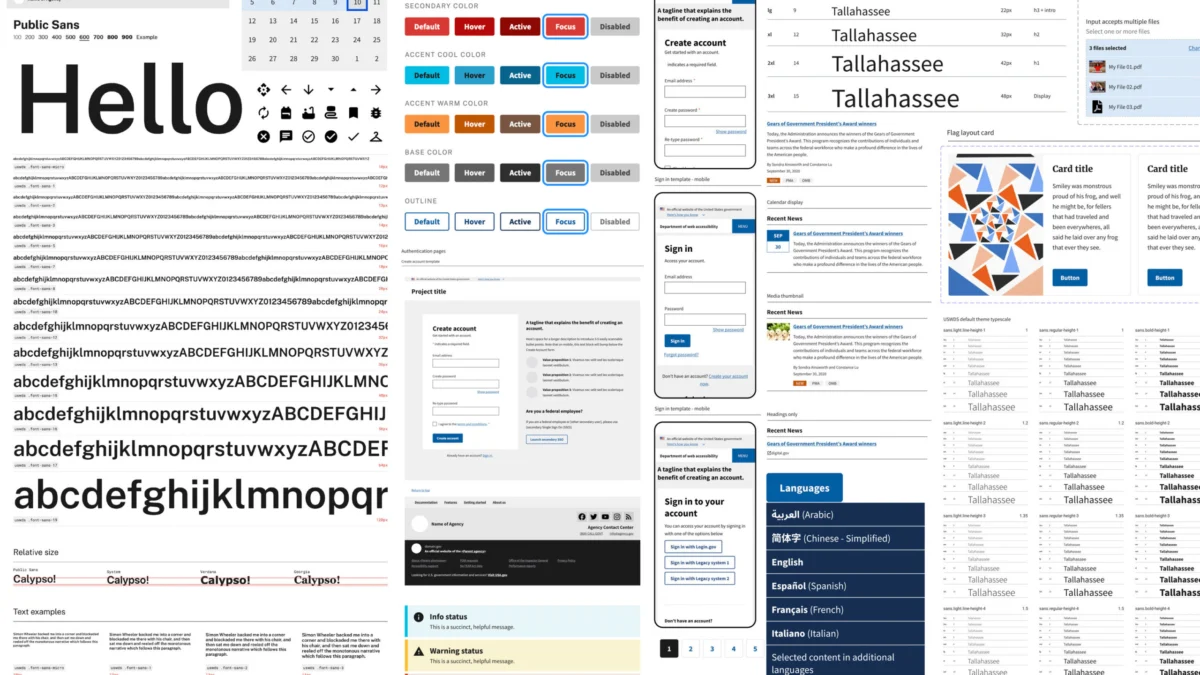
A critical resource in the Middle East, desalination technology, finds itself increasingly vulnerable amidst escalating tensions in Iran. President Donald Trump’s pronouncements of potentially targeting "all desalinization plants" in Iran, should the Strait of Hormuz remain obstructed, signal a dire threat to regional stability and survival. The ramifications of such an action would be catastrophic, impacting agriculture, industry, and most crucially, the provision of potable water for millions across the Middle East. This vulnerability underscores the precarious balance of water security in arid regions and the potential for geopolitical conflicts to weaponize essential resources.
In parallel, the landscape for small online entrepreneurs is undergoing a radical transformation, driven by the burgeoning power of Artificial Intelligence. Traditionally, the arduous process of identifying profitable products and sourcing reliable manufacturers has consumed weeks, if not months, of painstaking effort. However, AI-powered tools, exemplified by Alibaba’s Accio platform, are dramatically compressing this timeline, reducing what once required extensive research and supplier outreach into mere conversational interactions. Business owners and e-commerce experts are reporting a significant democratization of global manufacturing, accelerating the journey from nascent product idea to market-ready offering. This technological leap not only enhances efficiency but also lowers the barrier to entry for aspiring entrepreneurs, fostering a more competitive and dynamic global marketplace.
Adding another layer to the evolving technological narrative is the rise of gig workers meticulously training humanoid robots from the comfort of their homes. In Nigeria, medical student Zeus exemplifies this new breed of data providers. After demanding days at the hospital, he dons an iPhone strapped to his forehead, meticulously recording his daily routines and chores. This data, collected by companies like Micro1, is then sold to robotics firms racing to develop sophisticated humanoid machines. Micro1 has enlisted thousands of such individuals across over 50 countries, including India and Argentina, offering them well-compensated local employment. However, this burgeoning industry raises significant ethical questions surrounding data privacy and informed consent, while simultaneously presenting workers with challenging and often unconventional tasks.
The broader technological ecosystem is abuzz with several other significant developments. Anthropic’s latest AI model, Claude Mythos, has sent ripples through the cybersecurity world, reportedly identifying security vulnerabilities in every operating system and browser it has been tested against. Heralded as a "reckoning" for cybersecurity, the model’s capabilities are so profound that Anthropic is limiting its rollout due to concerns about potential misuse by malicious actors. This development has also spurred the launch of Project Glasswing, an initiative by Anthropic aimed at proactively identifying and flagging vulnerabilities, with major tech players like Apple, Google, and Microsoft already participating.
Concurrently, Iranian hackers are reportedly intensifying their focus on targeting American critical infrastructure, with a particular emphasis on energy and water systems. These actors are specifically targeting industrial control devices, raising alarms about the potential for widespread disruption. This cyber threat landscape is further complicated by the reported use of powerful spyware by ICE (Immigration and Customs Enforcement), capable of intercepting encrypted messages, a development that has sparked concerns about privacy and surveillance.
In the realm of search technology, Google’s AI Overviews, despite boasting a 90% accuracy rate, are reportedly delivering millions of incorrect answers per hour, signaling a fundamental shift in how we access information and potentially marking the end of traditional internet search as we know it. This technological evolution is juxtaposed with a high-profile legal battle, as Elon Musk seeks to oust OpenAI CEO Sam Altman, alleging fraud. Musk’s lawsuit also seeks to direct any damages to OpenAI’s non-profit arm, adding another layer of complexity to the ongoing dispute.

Globally, the debate around the impact of social media on young minds continues, with Greece becoming the latest nation to consider banning children under 15 from social media platforms by 2027. This follows similar initiatives in Australia and Indonesia, though experts caution that such bans might be a simplistic solution to a complex problem.
On the hardware front, Intel has announced its collaboration with Elon Musk’s endeavors, agreeing to help build his ambitious "Terafab" in Texas, a facility aimed at manufacturing chips for AI projects. Musk claims this will be the largest semiconductor factory ever constructed, hinting at a future where AI chips could be built on glass. Meanwhile, TikTok is investing significantly in its European infrastructure, building a second billion-euro data center in Finland to house European user data, a move that highlights the growing global demand for data storage.
The integration of AI into urban planning and surveillance is also sparking controversy. Plans for Canada’s first "virtual gated community," powered by an AI-driven surveillance system, have divided residents, raising questions about privacy and the extent to which AI should be employed in public spaces.
Finally, in a lighter, albeit technically fascinating, development, the intricate engineering of NASA’s "space toilet" for the Artemis II mission has been revealed, showcasing the advanced technology required for long-duration space travel.
The news cycle also features a robust "must-read" section, highlighting significant stories such as the cybersecurity implications of Anthropic’s AI, the persistent threat of Iranian cyberattacks, the inaccuracies in Google’s AI Overviews, the legal battle between Elon Musk and OpenAI, ICE’s use of spyware, the global trend of social media bans for minors, Intel’s partnership with Musk for AI chip manufacturing, TikTok’s data center expansion, and the debate surrounding AI surveillance in Canada. The section concludes with a glimpse into the engineering marvel of the "space toilet."
A poignant "Quote of the Day" comes from OpenAI’s critique of Elon Musk’s lawsuit, labeling it a "harassment campaign" driven by ego and jealousy.
The newsletter concludes with a "One More Thing" segment, delving into the "brilliantly boring" yet highly functional design of US government websites, a testament to thoughtful user experience and accessibility. This is followed by a "We can still have nice things" section, offering comforting and distracting content, including stunning imagery from the Artemis II mission, a fearless cat, insights into octopuses, and the rhythmic secrets of emo music.