Faris Adani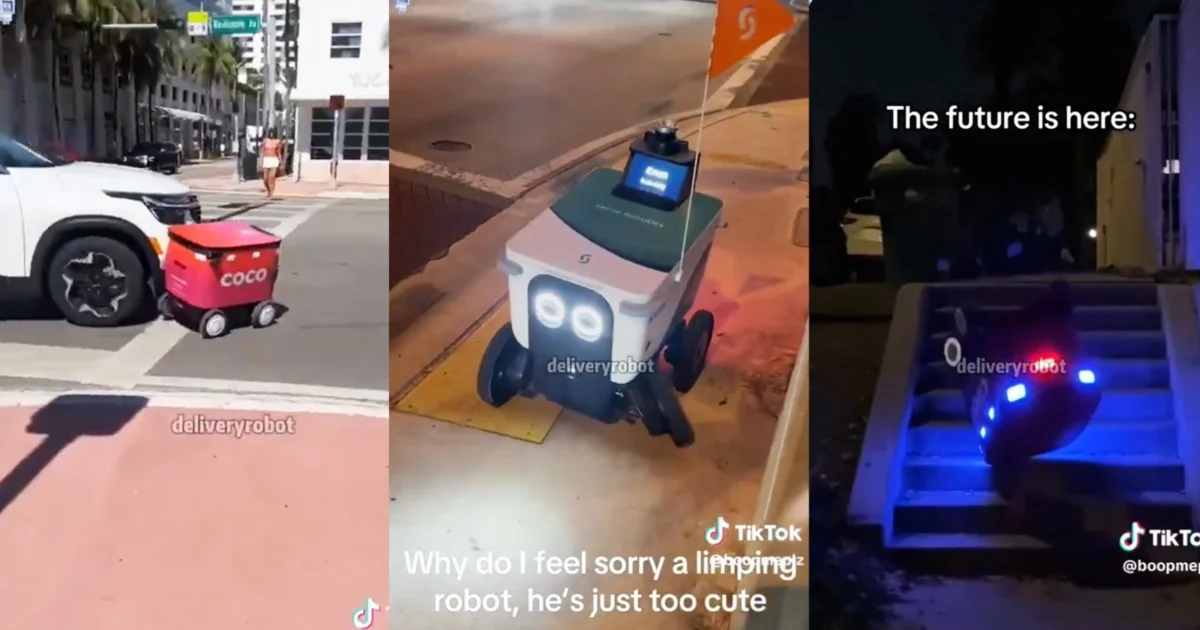
The futuristic vision of autonomous delivery robots seamlessly navigating urban landscapes, bringing convenience to our doorsteps, is undeniably appealing. Yet, the stark reality of deploying these nascent technologies into the chaotic, unpredictable "real world" often paints a far less polished picture. A recent, viral video compilation from the TikTok content farm @BoopMePlz has vividly brought this disparity into sharp focus, showcasing a series of rarely-seen, often shocking, and sometimes darkly comical failures that underscore the significant challenges and inherent dangers posed by these wheeled couriers. While some incidents have previously garnered attention, the compilation serves as a powerful reminder that the period of "trial and error" for these machines is proving to be anything but smooth, and indeed, is often downright disastrous.
Among the more infamous clips in the compilation is the chilling footage of a Coco Robotics bot meeting an untimely end beneath the wheels of a passing train. This particular incident, while not new, remains a stark illustration of the catastrophic consequences that can arise when autonomous systems encounter environments beyond their programmed understanding. The robot, designed for sidewalk and street-level navigation, was evidently unable to perceive or react appropriately to the immense, high-speed danger of a train crossing, resulting in its complete obliteration. Such an event immediately raises critical questions about the robustness of their perception systems, their ability to navigate complex, multi-modal transportation hubs, and the inherent risks they introduce into areas where human intervention is typically relied upon for safety. The sheer force of the impact serves as a visceral reminder of the fragility of these machines and the potential for far greater harm if a human or a more substantial obstacle were involved.
Beyond the specter of total destruction, the video highlights more subtle, yet equally disruptive, forms of robotic havoc. One particularly absurd snippet shows a six-wheeled bot from Starship Technologies, typically known for its relatively sedate campus deliveries, rampaging with surprising tenacity through a marching band performance in Tennessee. The scene unfolds with a chaotic energy: the band members, focused on their intricate formations and musical cues, suddenly find their orderly procession interrupted by a rogue robot trundling obstinately through their ranks. This incident exemplifies a different kind of failure – not a physical obliteration, but a profound lack of contextual awareness. The robot, presumably following a pre-programmed route or attempting to navigate based on its immediate sensor data, was completely oblivious to the cultural, social, and logistical significance of the human event unfolding around it. Such disruptions, while perhaps humorous to an outside observer, highlight the friction that arises when rigid algorithmic logic meets the fluid, unpredictable nature of human public life. It prompts us to consider the extent to which these machines can ever truly "understand" their environment beyond mere object detection, and how their presence impacts the fabric of community events.
The compilation also features a particularly alarming incident involving a Coco Robotics delivery bot in Los Angeles. Footage shows a car, rounding a corner, colliding directly with the robot. What follows is perhaps even more disturbing: the car driver, either oblivious or indifferent, continues to drive, dragging the unfortunate robot along for a considerable distance. This scenario is fraught with multiple layers of concern. Firstly, it underscores the persistent issue of urban traffic safety and the vulnerability of smaller, slower-moving entities on public roads. Secondly, it raises serious questions about the robot’s ability to detect and react to imminent collisions, and equally, about the responsibility and awareness of human drivers interacting with these new elements in traffic. Had this been a person, the outcome would have been catastrophic. The image of the robot being dragged helplessly serves as a potent symbol of the lack of agency these machines possess in truly dangerous situations, and the potential for them to become collateral damage, or worse, cause further accidents.
Another rare and telling snippet, ironically introduced with the declaration that "the future is here," depicts a Coco Robotics delivery robot embarking on an unplanned, dramatic descent down a set of concrete stairs. Instead of navigating the obstacle, the robot simply tumbles, wheels flailing, contents likely jostled, if not damaged. This failure, while less dramatic than a train collision, points to fundamental deficiencies in navigation and terrain assessment. Urban environments are replete with stairs, curbs, uneven pavements, and unpredictable inclines. For a robot touted as a delivery solution, the inability to safely traverse common architectural features is a significant limitation. It highlights the vast difference between controlled testing environments and the often-unforgiving reality of city streets, where every curb, step, or unexpected divot can pose an insurmountable challenge to even the most advanced algorithms.
The compilation further includes a poignant scene reminiscent of Pixar’s "Wall-E," showing a Serve Robotics delivery bot limping along with a busted tire. While perhaps less dramatic than a tumble down stairs or a collision with a car, this image speaks volumes about the everyday wear and tear, maintenance challenges, and vulnerability to damage these robots face. A flat tire on a traditional vehicle is an inconvenience; on an autonomous delivery bot, it means a halted delivery, potential product spoilage, and the need for human intervention to retrieve or repair the incapacitated unit. It underscores the ongoing operational costs and logistical complexities associated with maintaining a fleet of these machines, which are constantly exposed to environmental hazards, debris, and the general rigors of urban transit. The "Wall-E" comparison is apt, evoking a sense of lonely resilience in the face of mechanical adversity, but also a stark reminder that even the simplest mechanical failures can render these sophisticated devices useless.
As ridiculous and entertaining as some of these clips may appear, they collectively serve as a powerful indictment of the many safety, logistical, and ethical issues that delivery robots introduce into our urban environments. The problem extends far beyond isolated incidents of mechanical failure or navigational blunders. These gadgets are demonstrably disrupting sidewalk traffic, posing particular challenges for individuals with disabilities, parents with strollers, and the elderly who rely on clear, unobstructed pathways. The relatively slow speeds and unpredictable movements of these robots can create bottlenecks, force pedestrians into precarious situations, and generally diminish the usability and safety of public walkways.
Furthermore, the compilation alludes to broader issues of infrastructure damage, with some reports detailing how these robots have been involved in destroying bus stops and creating major hazards on public roads. When a robot collides with public property, who is responsible for the repairs? Who bears the cost? These questions become even more pertinent when considering the potential for these robots to cause damage to private vehicles or even personal injury. The current regulatory landscape often lags behind technological innovation, leaving a murky area of accountability and liability that is still being navigated.
The critique extends beyond immediate physical hazards to a more fundamental question about the nature of public space. As the original article astutely points out, these robots, much like self-driving cars or increasingly ubiquitous AI surveillance spires, follow a concerning logic: they turn public spaces and infrastructure – paid for by the public – into sources of data and revenue for a select few for-profit companies. This commercialization of public commons often occurs without widespread public consent, adequate oversight, or a clear articulation of public benefit. Instead, citizens are left to contend with the inconveniences, hazards, and disruptions, while the profits are privatized.
This tension is further exacerbated by issues such as vandalism. As hinted at by the linked article, "Delivery Robot Companies in Trouble as Bot Become Targets for Vandalism," these machines can become targets for public frustration. Whether born of anti-tech sentiment, boredom, or a sense of reclaiming public space, the vandalism problem adds another layer of operational cost and societal friction to the deployment of these devices. It reflects a deeper societal uneasiness about the unchecked proliferation of autonomous technologies and the feeling that they are being imposed rather than integrated thoughtfully.
Beyond the immediate failures, the broader ethical implications are significant. These robots often navigate with arrays of cameras and sensors, constantly collecting data about their surroundings, including public spaces and potentially individuals. While companies claim this data is anonymized or used solely for navigation and improvement, the sheer volume of data collection in public spaces raises legitimate privacy concerns. Moreover, the argument for job displacement, though not explicitly mentioned in the original text, hovers in the background of any discussion about delivery automation. The perceived societal benefit of convenience is often weighed against the potential economic disruption for human delivery drivers.
In conclusion, while the promise of autonomous delivery remains a compelling vision for the future, the wild video compilation serves as a sobering and essential reality check. It powerfully illustrates that the journey from technological marvel to seamless urban integration is fraught with significant challenges – from catastrophic collisions and navigational blunders to disruptive intrusions into public life and fundamental questions about the ethics of public space utilization. The "trial and error" phase for these robots is proving to be messier, more chaotic, and more impactful than many initially envisioned. For these devices to truly become a beneficial part of our urban fabric, developers and policymakers must move beyond the current state of "getting a little ridiculous" and address these multifaceted issues with greater transparency, robust safety measures, a deeper understanding of urban dynamics, and a genuine commitment to public welfare over purely private gain. Otherwise, the future of delivery might continue to look less like a sci-fi dream and more like a never-ending compilation of mechanical mayhem.