isnaini azizah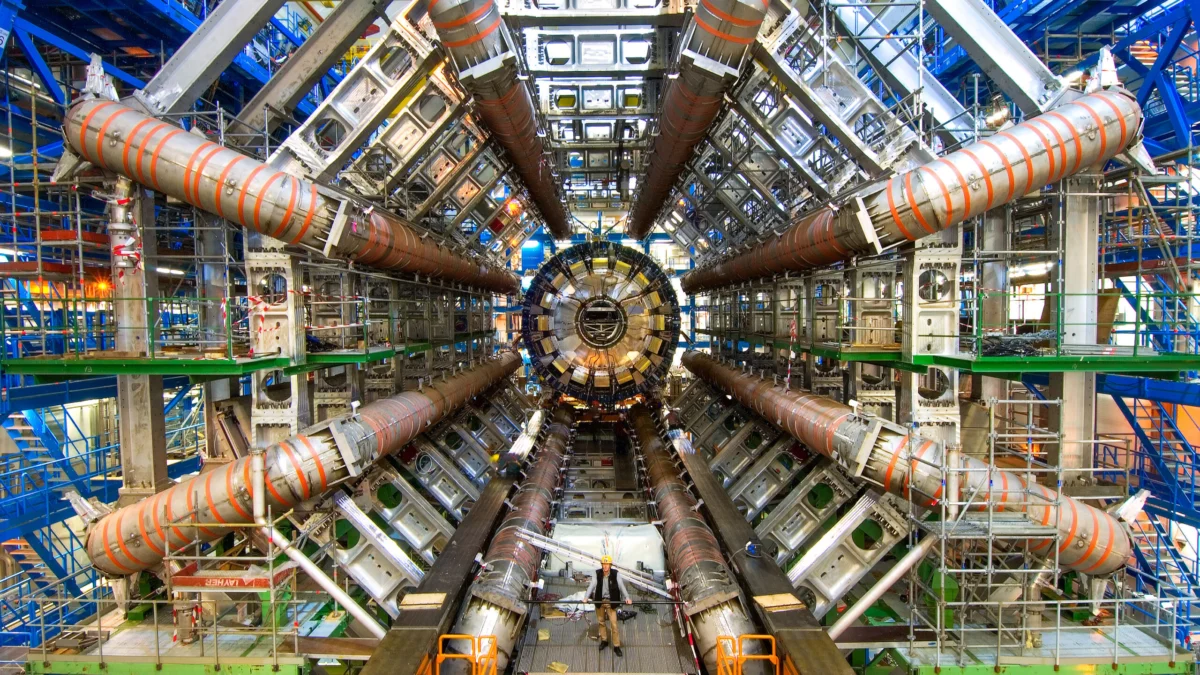
The technological landscape is a dynamic arena, currently defined by two significant, yet seemingly disparate, forces: the escalating "AstroTurf wars" concerning the environmental impact of synthetic grass, and the undeniable, exponential growth of Artificial Intelligence, spearheaded by advancements from major players like Meta. This edition of The Download delves into these critical issues, offering a comprehensive overview of the latest developments and their implications.
The Synthetic Turf Conundrum: A Growing Environmental Concern
The proliferation of synthetic turf, commonly known as AstroTurf, has reached staggering proportions. In 2001, Americans installed just over 7 million square meters of this artificial ground cover. By 2024, this figure had ballooned to an astonishing 79 million square meters – an area vast enough to blanket all of Manhattan and then some. This dramatic increase has ignited serious concerns among environmental scientists and pollution researchers who are tracking the pervasive spread of microplastics.
While the synthetic materials industry maintains that properly installed fields pose no significant risk, a growing body of scientific research suggests otherwise. The debate surrounding the safety and environmental impact of AstroTurf is far from settled, with heated discussions continuing to surface. This article from MIT Technology Review promises to illuminate the core arguments and scientific findings that fuel these ongoing debates, urging readers to consider the long-term ecological consequences of this widespread adoption of artificial landscapes.
This in-depth analysis is slated for the upcoming issue of MIT Technology Review’s print magazine, which is dedicated to exploring the multifaceted relationship between humanity and nature. Subscribers will receive the full feature on Wednesday, April 22nd, offering a timely and crucial perspective on an issue impacting our environment.
Exponential AI Growth: Mustafa Suleyman on the Unstoppable Trajectory
In parallel to environmental anxieties, the field of Artificial Intelligence is experiencing a period of unprecedented and accelerating progress. Skeptics have repeatedly predicted a slowdown in AI compute power, only to be consistently proven wrong. Mustafa Suleyman, a prominent figure in AI and CEO of Microsoft AI, along with being a co-founder of Google DeepMind, offers a compelling explanation for this relentless advancement.
Suleyman identifies three pivotal breakthroughs that are collectively driving this exponential growth: advancements in faster basic calculators, the development of high-bandwidth memory, and innovative technologies that aggregate disparate GPUs into formidable supercomputing clusters. These innovations are not merely incremental improvements; they are foundational elements that are propelling AI capabilities at an astonishing rate.
In a thought-provoking op-ed, Suleyman elaborates on the future trajectory of AI development, arguing that the current trajectory suggests no imminent "development wall." He encourages readers to delve deeper into the underlying technological drivers that are fueling this AI explosion, providing a roadmap for understanding where this transformative technology is heading. This article is essential reading for anyone seeking to comprehend the forces shaping the future of artificial intelligence.
Desalination Technology: A Numbers Game for Water Security
Amidst concerns about environmental impact and the rapid evolution of AI, the critical issue of water security takes center stage. Casey Crownhart’s exploration of desalination technology reveals a fascinating and often surprising world driven by impressive numbers. While the general importance of desalination, the process of removing salt from seawater to produce fresh water, is recognized, particularly in water-scarce regions like the Middle East, the sheer scale of its reliance and the magnitude of the business are truly eye-opening.
Crownhart’s deep dive into the numbers behind desalination technology highlights just how indispensable this resource has become for numerous nations. The article presents extraordinary figures that underscore the crucial role desalination plays in addressing global water challenges. This piece is part of The Spark, MIT Technology Review’s weekly newsletter focused on technologies that combat the climate crisis, offering vital insights into solutions for one of humanity’s most pressing problems. Readers can subscribe to receive this newsletter every Wednesday.
The Must-Reads: A Curated Selection of Tech News
To provide a broader perspective on the current technological landscape, The Download presents a curated list of compelling stories from across the web:
-
Meta’s Superintelligence Labs Unveils Muse Spark: Meta has launched Muse Spark, the first AI model from its Superintelligence Labs, marking a significant step in its AI development. This closed model integrates reasoning capabilities into the Meta AI app and was developed by the unit led by Alexandr Wang. The development signifies a renewed focus on advanced AI capabilities within Meta.

-
Anthropic’s Bid to Pause Pentagon Blacklisting Denied: An appeals court in Washington, D.C., has denied Anthropic’s request to pause the Pentagon’s blacklisting of the company. This follows a temporary block by a California judge in March, leaving Anthropic in a complex legal situation but potentially opening doors for smaller AI rivals.
-
New Evidence Suggests Adam Back Invented Bitcoin: Emerging evidence points to British cryptographer Adam Back as potentially being the real Satoshi Nakamoto. While Back denies these claims, the story raises intriguing questions about the origins of cryptocurrency. This development also prompts reflection on the inherent complexities and potential downsides of crypto’s permissionless nature.
-
Gen Z’s Shifting Sentiment Towards AI: A growing portion of Generation Z is expressing anger towards AI, with the percentage feeling this way rising from 22% to 31% in a year. This trend is mirrored by an increase in anti-AI protests, indicating a rising unease among younger demographics about the rapid advancement and societal impact of artificial intelligence.
-
Gulf War’s Potential Impact on the Cloud Race: The ongoing conflict in the Gulf could significantly shift the global cloud computing race, potentially tilting it towards China. Huawei is actively promoting its "multi-cloud" resilience strategies to clients in the region, highlighting the geopolitical implications of technological infrastructure.
-
Meta Discontinues AI Token User Leaderboard: Meta has shut down an internal leaderboard that tracked its top AI token users. The company cited data leaks as the reason for the shutdown, an action that occurred amidst a growing phenomenon of "tokenmaxxing" in Big Tech, where employees strive to accumulate internal tokens for various benefits.
-
Artemis II: A PR Exercise or Scientific Breakthrough? Questions are being raised about the true scientific value of the Artemis II mission. While the moon is already mapped on platforms like Google Maps, the mission’s primary impact may have been in public relations rather than novel scientific discovery.
-
Israeli Attacks Expose Lebanon’s Digital Vulnerabilities: Recent Israeli attacks have brutally exposed the fragility of Lebanon’s digital infrastructure. The country is struggling to manage a modern crisis with outdated technological capabilities, highlighting the critical need for robust and resilient communication systems.
-
AI Models as a Common Language for Mathematicians: Artificial intelligence models are showing promise in offering mathematicians a common language, potentially simplifying the process of verifying complex proofs. This development could accelerate advancements in theoretical mathematics.
-
‘Self-Doxing’ Raves Aid Trans Online Safety: A unique initiative involving "self-doxing" raves is emerging as a method to help transgender individuals enhance their online safety. These events are part of a broader trend of digital self-defense strategies.
Quote of the Day:
"I feel like anything that I’m interested in has the potential of maybe getting replaced, even in the next few years." – Sydney Gill, a freshman at Rice University, articulating the anxieties many feel about AI’s potential to disrupt future careers and passions.
One More Thing: The Hunt for New Physics at the LHC
The Large Hadron Collider (LHC) at CERN, famous for its discovery of the Higgs boson in 2012, has reached a critical juncture in its quest for new fundamental particles. While the Higgs boson answered fundamental questions about mass, particle physicists now face an "impasse" in their efforts to discover and study new particles. This article explores the ongoing efforts and innovative strategies being employed at the world’s largest particle collider to push the boundaries of our understanding of the universe.
We Can Still Have Nice Things:
In a world often dominated by complex technological challenges, a moment of levity and reflection is always welcome. This section offers a collection of delightful diversions, including a tale of a "joke" sound that defined 90s rave culture, a nostalgic journey through early 2000s websites, heartwarming footage of sperm whales supporting a newborn, and a humorous investigation into whether the world’s largest mousetrap can catch a limousine. These stories serve as a reminder of the lighter, more whimsical aspects of human experience and creativity.