isnaini azizah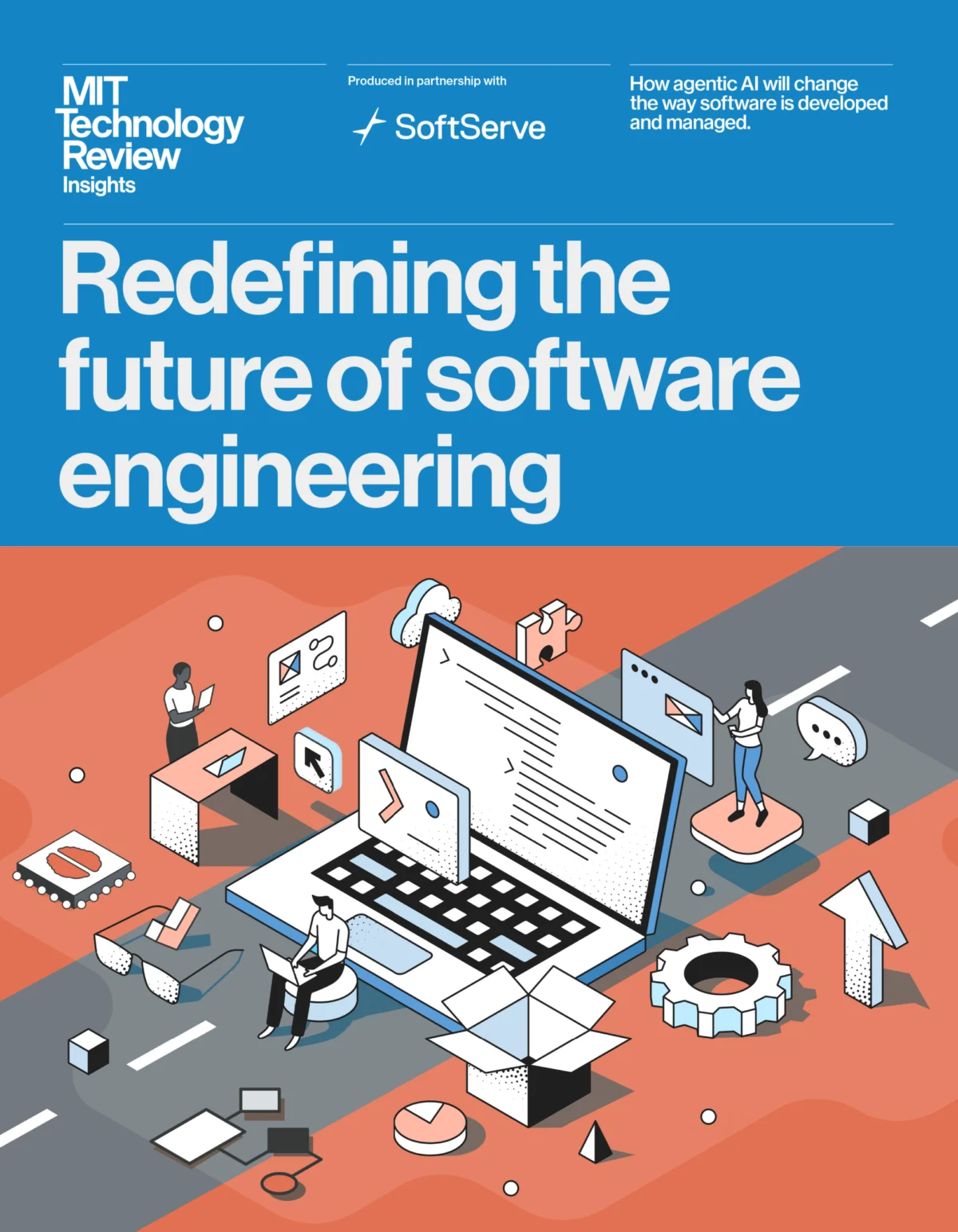
The journey of software engineering has been marked by pivotal advancements. The first, the open-source movement, democratized code, making it accessible globally and fostering a collaborative spirit. The second, the widespread adoption of DevOps and agile methodologies, shattered silos, enabling seamless collaboration and transitioning from infrequent batch releases to continuous delivery. Now, the advent of agentic AI is set to redefine these paradigms once again. Unlike current AI tools that operate within predefined boundaries to aid in specific coding or testing tasks, agentic AI empowers AI agents with reasoning and self-direction. These sophisticated agents are capable of managing not just isolated tasks but entire software projects with a significant degree of autonomy. If embraced fully by engineering teams, this technology will usher in comprehensive automation across the software development process and, ultimately, lead to agent-managed development and product lifecycle automation.
This pivotal report, drawing insights from a survey of 300 engineering and technology executives, paints a clear picture of current sentiment and future aspirations. While software engineering teams recognize the immense potential of agentic AI and are beginning to integrate it, their current adoption remains largely limited. Their ambitions, however, are soaring. The executives surveyed understand that realizing the full benefits of agentic AI in software operations will necessitate time, concerted effort, and the dismantling of existing barriers. Much like the transformative impact of DevOps and agile methodologies, the complete realization of agentic AI’s advantages in engineering will demand significant organizational and process evolution, complementing technological adoption. The potential gains in speed, efficiency, and quality, however, are so substantial that they promise to outweigh any temporary challenges encountered during this transition.
The report highlights several key findings that underscore the burgeoning momentum of agentic AI adoption:

Adoption Momentum is Building: The survey reveals a dramatic increase in the strategic importance placed on agentic AI for software engineering. Currently, half of all surveyed organizations identify agentic AI as a top investment priority. Projections indicate this figure will skyrocket to over four-fifths within the next two years, signifying a fundamental reorientation of investment strategies. This escalating investment is directly fueling accelerated adoption rates. Today, 51% of software teams are already utilizing agentic AI, albeit in mostly limited capacities. Furthermore, a substantial 45% of teams have concrete plans to implement agentic AI within the coming 12 months, demonstrating a clear and present trajectory towards broader integration.
Early Gains Will Be Incremental, but Ambitious: While the long-term vision for agentic AI is transformative, the immediate impact is anticipated to be more measured. Over the next two years, the majority of software teams expect the improvements derived from agent use to be slight (14%) or, at best, moderate (52%). However, a significant segment of respondents, approximately one-third (32%), hold higher expectations, anticipating substantial advancements. A small but impactful group of 9% believe the improvements will be truly game-changing, underscoring the potential for disruptive innovation. This phased approach to realizing benefits suggests a period of learning and optimization as teams integrate these new capabilities.
Agents Will Accelerate Time-to-Market: One of the most significant and universally anticipated benefits of agentic AI is its profound impact on the speed of software delivery. Over the next two years, nearly all respondents (98%) expect their teams’ ability to deliver software projects from pilot to production to accelerate considerably. The average anticipated increase in speed across all surveyed groups is a remarkable 37%. This acceleration is a direct consequence of agentic AI’s capacity to streamline workflows, automate repetitive tasks, and optimize development processes, thereby shortening development cycles and enabling faster iteration.
The Goal for Most is Full Agentic Lifecycle Management: The ambitions of engineering teams for scaling agentic AI are exceptionally high, with a clear focus on end-to-end management of the product and software development lifecycles (PDLC and SDLC). A significant 41% of organizations are aiming to achieve this comprehensive management for most or all of their products within the next 18 months. This figure is projected to climb to an impressive 72% within two years, assuming current expectations are met. This aspiration signifies a fundamental rethinking of how software is conceived, developed, deployed, and maintained, with AI agents taking a central, proactive role.

Compute Costs and Integration Pose Key Early Challenges: Despite the overwhelmingly positive outlook, the path to full agentic AI adoption is not without its hurdles. For all survey respondents, particularly those in early-adopter verticals such as media and entertainment and technology hardware, the primary challenges revolve around the complexities of integrating agentic AI with existing application infrastructures and the significant cost associated with the requisite computing resources. Beyond these technical considerations, the interviewed experts consistently emphasize the more profound organizational and change management difficulties that teams will encounter in fundamentally altering their established workflows. Successfully navigating these challenges will be crucial for unlocking the full potential of agentic AI.
The report, available for download, serves as a vital roadmap for organizations looking to navigate this transformative period. It underscores that the integration of agentic AI is not merely a technological upgrade but a strategic imperative that demands a holistic approach, encompassing not only advanced tooling but also a commitment to evolving organizational structures and development philosophies. As agentic AI matures and its capabilities become more robust, it promises to fundamentally redefine the practice of software engineering, leading to more innovative, efficient, and high-quality software products. The future of software development is increasingly autonomous, intelligent, and agent-driven, and those organizations that embrace this paradigm shift early will undoubtedly lead the charge in shaping the digital landscape for years to come. The journey towards agent-managed development is underway, and its implications for both software engineering and the creation of digital content are profound and far-reaching, promising to unlock new levels of creativity and productivity.