isnaini azizah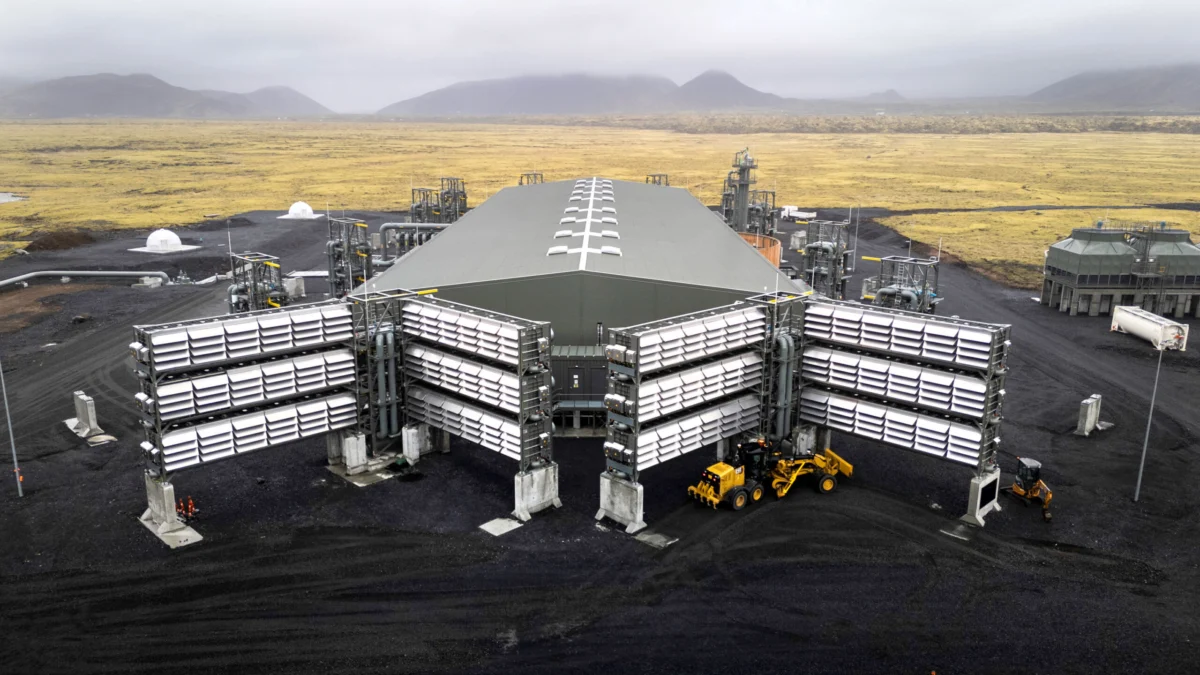
The sheer scale of Microsoft’s involvement cannot be overstated. The tech giant has single-handedly accounted for approximately 80% of all contracted carbon removal purchases. For any company developing technologies to suck carbon dioxide out of the atmosphere, Microsoft has been the primary destination for funding and demand. While Microsoft has stated that this pause is not a permanent cessation of its carbon removal efforts, the lack of detailed clarification has fueled apprehension among developers and investors. This situation underscores the inherent economic challenges and the critical need for broader market participation and policy support in scaling carbon removal solutions.
Carbon removal encompasses a diverse array of technologies designed to verifiably extract CO2 from the atmosphere and secure its long-term storage. Prominent among these are direct air capture (DAC) plants, which typically employ specialized sorbents or solvents to filter carbon dioxide from ambient air. Another significant approach is bioenergy with carbon capture and storage (BECCS). This method involves burning biomass, such as trees or waste-derived biofuels, to generate energy, with integrated scrubbing equipment capturing the resulting greenhouse gases.
The early part of this decade witnessed a surge of interest and investment in carbon removal technologies. A pivotal UN climate report in 2022 highlighted the potential necessity of removing up to 11 billion metric tons of carbon dioxide annually by 2050 to constrain global warming to within 2 degrees Celsius above preindustrial levels. This ambitious target underscores the urgency and scale required for effective climate mitigation.
However, a persistent challenge has been the complex economics of carbon removal. While the societal benefit of removing atmospheric carbon pollution is immense and widely recognized as a public good, the question of who will finance these large-scale operations has remained a significant hurdle. Historically, Microsoft has stepped in to fill this void.
Robert Höglund, co-founder of CDR.fyi, a public-benefit corporation that analyzes the carbon removal sector, emphasizes Microsoft’s pivotal role. "Microsoft has had a huge importance, especially for getting large-scale projects off the ground and showing there is demand for large deals," Höglund stated via email. He further notes that Microsoft is the sole purchaser to have made megatonne-scale purchases, solidifying its position as the dominant buyer in the market.
Microsoft’s commitment to climate action is ambitious. The company has pledged to achieve carbon-negative operations by 2030 and to remove its entire historical carbon emissions by 2050. Despite these goals, the company’s progress in reducing its own direct emissions has faced challenges. Its latest Environmental Sustainability Report, published in June 2025, revealed a 23.4% increase in emissions since 2020. This internal struggle to curb emissions may indirectly influence its external purchasing strategies for carbon removal.
The news of Microsoft’s pause first emerged from Heatmap News on April 10th, reporting that internal communications indicated a halt to future carbon removal purchases. The exact scope of this pause, including its impact on existing contracts and the timeline for resuming purchases, remained unclear. Bloomberg corroborated this report the following day, with one source suggesting that financial considerations were a factor in the decision.
In response to written inquiries, Microsoft clarified that its carbon removal program is not being permanently discontinued. Melanie Nakagawa, Microsoft’s Chief Sustainability Officer, stated, "At times we may adjust the pace or volume of our carbon removal procurement as we continue to refine our approach toward sustainability goals. Any adjustments we make are part of our disciplined approach—not a change in ambition." While this statement offers some reassurance, the ambiguity surrounding the duration and specific reasons for the adjustment has left many in the industry unsettled.
Wil Burns, Co-Director of the Institute for Responsible Carbon Removal at American University, expresses significant concern over the industry’s reaction. He notes that many in the sector viewed Microsoft as a foundational supporter of carbon removal. "This pause—whether it’s short term or whatever it is—the way it’s been rolled out is extremely irresponsible," Burns stated. He argues that because the vast majority of firms seeking carbon removal contracts are likely targeting Microsoft deals, the company has a responsibility to be more transparent with the industry. "I don’t think you can hold yourself out as the paragon of fostering carbon removal and then treat a nascent industry that disrespectfully," Burns added.
The carbon removal sector in the United States was already navigating a turbulent landscape, exacerbated by recent policy shifts. Reductions in federal funding and changes at the Environmental Protection Agency impacting the government’s capacity to regulate carbon pollution have created an uncertain environment.
Now, with the primary corporate backer signaling a potential shift in its procurement strategy, the situation could become even more precarious. Höglund suggests that if the pause is extensive, the industry may have to rely on smaller-scale purchases and seek support from governmental initiatives and philanthropic organizations. However, he reiterates that for carbon removal to achieve its necessary scale, robust policy interventions are essential. Specifically, Burns advocates for policymakers to implement mandates that hold emitters accountable for either storing their produced carbon dioxide or bearing the cost of its removal.
"Maybe the upside of this is Microsoft has sent a wake-up call, that you just can’t rely on the kindness of strangers to make carbon removal scale," Burns concluded, highlighting the need for more sustainable and diversified funding models for the critical climate technology.
This article is from The Spark, MIT Technology Review’s weekly climate newsletter. To receive it in your inbox every Wednesday, sign up here.