Faris Adani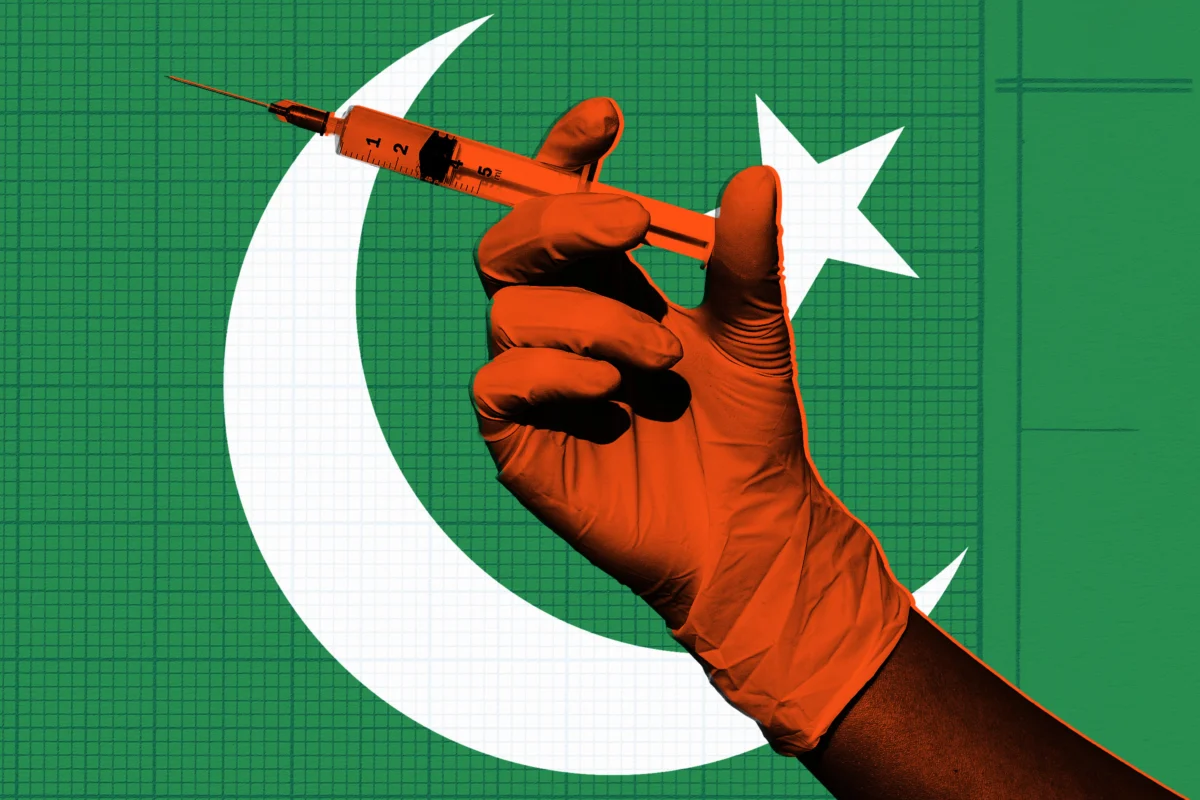
Hospital Reuses Syringes, Infects Hundreds of Children With HIV
A chilling investigation by the *BBC Eye* has uncovered a harrowing public health crisis unfolding in Taunsa, a city nestled within Pakistan’s central Punjab province, where at least 331 children have been diagnosed with HIV between November 2024 and October 2025. The devastating outbreak appears to stem directly from egregious and preventable medical negligence at THQ Taunsa Sharif, a public hospital managed by provincial authorities, highlighting severe systemic failures within the nation’s healthcare infrastructure.
The *BBC Eye*’s undercover operation, conducted over a mere 32 hours, exposed a horrifying pattern of unsafe injection practices. During this brief period, reporters documented ten distinct instances where hospital staff reused the same syringe. More alarmingly, in four of these cases, a single multi-dose drug vial was contaminated by being used on multiple children with the same syringe. This practice creates a terrifyingly efficient vector for disease transmission: if even one child in the sequence carried HIV, the subsequent patients receiving injections from the same contaminated vial or syringe would be at severe risk of contracting the debilitating virus. A family member of one of the infected children recounted the traumatic experience, telling the news agency, “They filled the same syringe and gave it to one child, then filled it again and gave it to another.” This firsthand account underscores the blatant disregard for basic sterile protocols that led to this catastrophe.
The medical implications of such practices are profound and well-understood by infectious disease experts. Dr. Altaf Ahmed, a leading Pakistani authority on infectious diseases, unequivocally explained the danger to the *BBC*: “Even if they have attached a new needle, the back part, which we call the syringe body, has the virus in it, so it will transfer even with a new needle.” This clarifies that simply changing the needle is insufficient to prevent cross-contamination; the syringe barrel itself, once in contact with infected blood or bodily fluids, becomes a biohazard. When such a contaminated syringe is then used to draw medication from a multi-dose vial, the entire vial becomes tainted, posing a threat to every patient subsequently treated from it. The potential for widespread infection, particularly with bloodborne pathogens like HIV, becomes exponentially higher in such a scenario.
The human cost of this negligence is immeasurable. For the 331 children and their families, the diagnosis of HIV is not merely a medical challenge but a life-altering tragedy. They face a future defined by chronic illness, the necessity of lifelong antiretroviral therapy, and the immense psychological and social burdens associated with HIV/AIDS, including stigma and discrimination. The “nightmarish scenes” described in the initial reports are a grim reality for these families, who must now navigate a complex healthcare journey that could have been entirely averted with adherence to fundamental safety standards. The financial strain of managing HIV, coupled with the emotional toll of coping with a preventable disease, places an unbearable weight on already vulnerable communities.
Alarmingly, this incident is not an isolated occurrence but points to a deeper, more pervasive problem within Pakistan’s healthcare system. A previous hospital administrator at THQ Taunsa Sharif had been dismissed in late 2024 after a private clinic first brought these dangerous practices to light. Yet, despite this prior warning, the new medical superintendent, Qasim Buzdar, responded to the *BBC*’s irrefutable footage with dismissive skepticism, claiming the evidence might be “staged.” When confronted with the anguish of worried parents, Buzdar’s response was a defiant and unsettling assertion: “I can say to them with certainty, with confidence, that you should get your treatment done at THQ Taunsa.” This dismissive attitude from leadership, coupled with an apparent lack of immediate accountability or reform, casts a long shadow over the institution’s commitment to patient safety.
The systemic issues underlying this tragedy are manifold. Pakistan’s healthcare sector has long grappled with underfunding, inadequate training for medical staff, weak regulatory oversight, and widespread corruption. The high patient load, particularly in public hospitals, often leads to shortcuts and a compromised standard of care. There is often a severe shortage of essential sterile supplies, forcing desperate measures or leading to complacency regarding their proper use. Furthermore, previous outbreaks serve as stark reminders of these chronic failures. The “isn’t the first time” reference in the initial report is tragically accurate, echoing the 2019 Ratodero HIV outbreak in Sindh province, where hundreds of children were also infected due to the reuse of syringes by a single doctor. Such recurring crises underscore a fundamental failure of the state to protect its citizens and ensure a basic standard of medical care. The disparities between public and private healthcare facilities further exacerbate the problem, with the poorest segments of society disproportionately affected by the failings of under-resourced public institutions.
HIV/AIDS remains a significant public health challenge in Pakistan, with the country experiencing one of the fastest-growing HIV epidemics in the region. Unsafe injection practices, including the reuse of syringes in medical settings, contribute significantly to this rapid spread. The World Health Organization (WHO) and UNAIDS have repeatedly highlighted the critical need for robust infection control measures and safe injection practices to curb the epidemic. Despite these international calls to action and the availability of guidelines, implementation remains a formidable hurdle in many parts of Pakistan. The economic pressures, lack of awareness, and perceived impunity for medical malpractice combine to create an environment where such devastating outbreaks can occur repeatedly.
Preventing future tragedies like the one in Taunsa requires a multifaceted and urgent approach. Foremost is the strict enforcement of policies mandating the exclusive use of single-use, sterile syringes for every patient and every injection. Comprehensive training programs for all healthcare workers, from doctors and nurses to support staff, must be implemented and regularly updated, emphasizing the critical importance of infection control, waste disposal protocols, and patient safety. Robust regulatory bodies with the authority to conduct unannounced inspections, impose severe penalties for non-compliance, and ensure accountability for negligent practices are essential. Furthermore, significant investment in public health infrastructure is needed, including adequate funding for sterile supplies, improved waste management systems, and a sufficient workforce to manage patient loads without resorting to dangerous shortcuts. Public awareness campaigns can also empower citizens to demand safer medical practices and report suspicious activities.
The horrific events at THQ Taunsa Sharif serve as a harrowing indictment of a healthcare system in dire need of reform. Hundreds of children now face a lifelong battle with HIV, a fate that was entirely preventable with a few simple, well-established steps. The complacency, denial, and systemic failures exposed by this investigation demand an immediate, comprehensive, and transparent response from Pakistani authorities. Anything less would be a betrayal of the trust placed in medical institutions and a perpetuation of a cycle of preventable suffering that no child, or family, should ever have to endure. The long-term implications for these children, and for the credibility of the nation’s healthcare system, will resonate for decades to come, demanding urgent and decisive action to restore faith and ensure basic human rights to health.