Faris Adani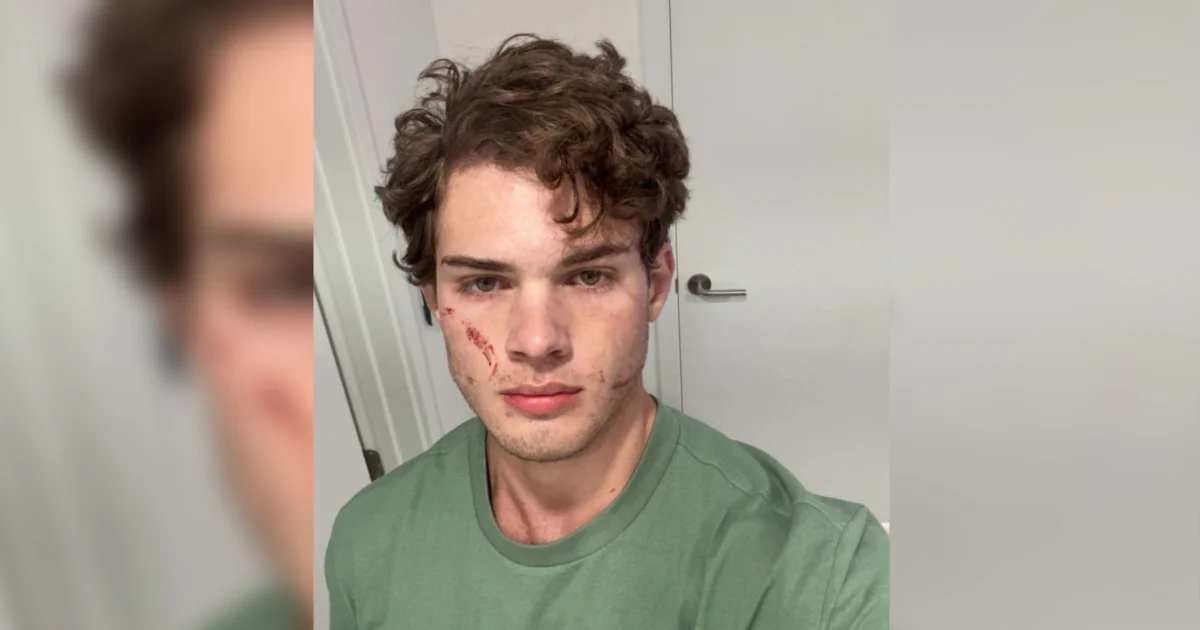
Clavicular / X
Sign up to see the future, today
Can’t-miss innovations from the bleeding edge of science and tech
Clavicular Rushed to Hospital in Perfect Illustration of Why Looksmaxxing Is a Horrifying Death Cult.
Braden “Clavicular” Peters, a prominent “looksmaxxing” influencer who has cultivated a significant online following by advocating for dangerously ill-advised and often self-harming practices in pursuit of perceived aesthetic perfection, was reportedly hospitalized on Tuesday evening following a suspected overdose. This alarming incident serves as a grim and undeniable testament to the inherent dangers of the looksmaxxing movement, exposing it as a cynical death cult that preys on the deep-seated insecurities of young people, pushing them towards potentially fatal practices under the guise of self-improvement.
The circumstances surrounding Peters’ hospitalization were as dramatic as they were concerning. Eyewitnesses reported seeing several individuals struggling to carry the 20-year-old’s visibly limp body into a waiting black vehicle shortly after his live-stream broadcast abruptly terminated. Reports from *People* magazine further detailed Peters’ deteriorating state during the final moments of his stream, noting that he was slurring his words incoherently and repetitively muttering phrases to himself, indicating a severe impairment of his faculties. This public display of distress, culminating in his emergency medical attention, sent shockwaves through the online communities that both follow and critique the looksmaxxing phenomenon.
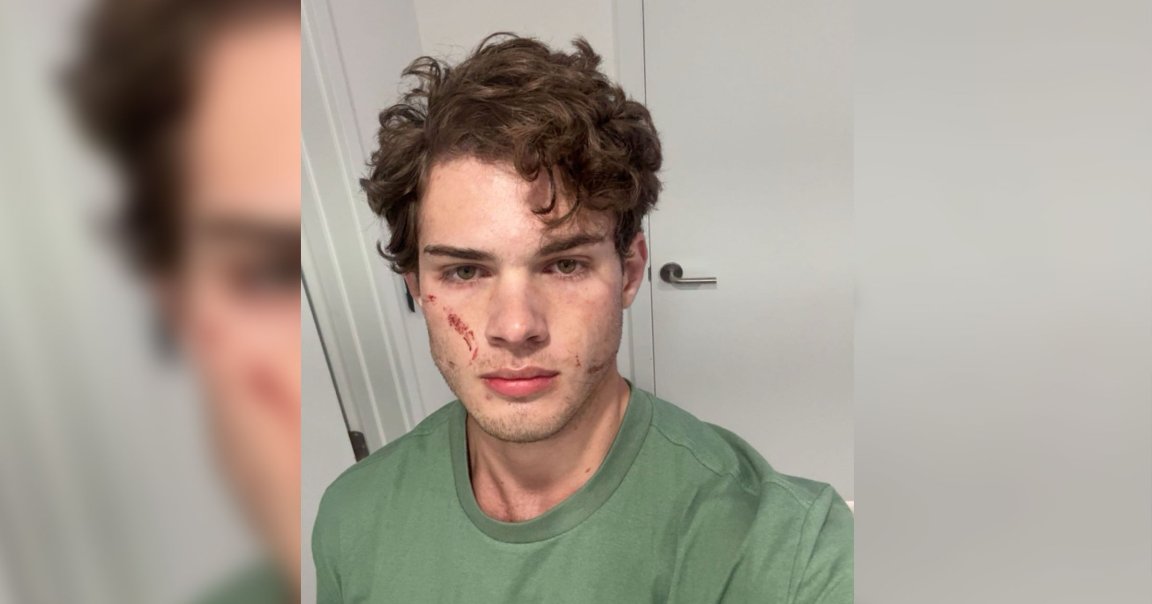
The following morning, a bruised and battered Peters posted a selfie on X (formerly Twitter), offering a disturbing glimpse into the aftermath of his ordeal. The image showed his face marred by severe cuts, bruises, and dried blood, a stark and unsettling contrast to the idealized image he typically projects. “Just got home, that was brutal,” he captioned the photo, minimizing the gravity of the situation. He continued, “All of the substances are just a cope trying to feel neurotypical while being in public, but obviously that isn’t a real solution.” In a chilling display of the very mindset he promotes, he added, “The worst part of tonight was my face descending from the life support mask,” employing specific looksmaxxing jargon to describe a perceived loss of attractiveness, even while recovering from a life-threatening event. This comment underscored the movement’s relentless focus on appearance, even in the face of profound personal crisis, highlighting a severe distortion of priorities.
While the precise cause of Peters’ hospitalization remains officially unconfirmed, the event is hardly a surprising development for those familiar with his contentious online persona and the dangerous doctrines he espouses. Peters has, for some time, been recognized as a poster child for “looksmaxxing,” a controversial trend with roots deeply embedded in male inceldom – involuntary celibacy – and other toxic online communities. The movement encompasses a broad spectrum of practices, ranging from relatively benign superficial treatments, such as addressing facial acne or engaging in regular exercise, to increasingly extreme and perilous techniques. These include invasive cosmetic surgeries, unregulated injections of hormones like testosterone, and the use of other illicit substances often obtained through dubious channels.
Among the most shocking and self-destructive practices promoted within looksmaxxing is “bonesmashing,” a bizarre and deeply disturbing act of self-harm. Proponents of bonesmashing advocate for repeatedly striking one’s own face with hard objects, such as a hammer, based on the pseudoscientific and utterly baseless belief that this blunt force trauma can stimulate bone growth, leading to a more defined and “masculine” jawline. This practice not only lacks any scientific validity but carries an immense risk of severe injury, disfigurement, infection, and long-term health complications, including traumatic brain injury. That such a dangerous act is openly discussed and even encouraged within these communities speaks volumes about the movement’s nihilistic disregard for physical well-being.
Peters himself has openly boasted about his engagement in many of these dangerous behaviors. He has publicly admitted to injecting testosterone and consuming various controlled substances since the tender age of 14, an age at which his body and mind were still developing, making such interventions particularly hazardous. Perhaps most reprehensibly, he has championed the use of crystal methamphetamine, an incredibly potent and addictive illicit drug, as a means to achieve rapid weight loss. The insidious rumor mill suggests that this highly dangerous substance may have been directly implicated in his recent trip to the hospital, transforming his advocacy into a chillingly personal tragedy. Promoting a drug like crystal meth, known for its devastating effects on physical and mental health, to a young and impressionable audience, exemplifies a profound level of irresponsibility and moral bankruptcy.
Peters’ dangerous advocacy and personal struggles are not isolated incidents; they are part of a broader pattern of reckless behavior that extends beyond self-harm and substance abuse. His legal troubles further underscore his disregard for societal norms and safety. Just last month, the Florida Fish and Wildlife Conservation Commission launched an investigation into Peters after a disturbing video surfaced online. The footage appeared to show him repeatedly firing a weapon into an alligator, a protected species, raising serious concerns about animal cruelty and violations of wildlife laws. This incident sparked widespread public outrage and added another layer to his controversial public image.
Earlier in the year, Peters was also arrested on misdemeanor battery charges. Reports indicated that he was involved in instigating a physical altercation between two women, not only orchestrating the conflict but then exploiting it for content by filming and subsequently posting the footage online. This act revealed a disturbing willingness to manipulate and endanger others for the sake of online notoriety, showcasing a predatory side that further solidifies the argument that looksmaxxing, at its core, is a deeply toxic and harmful ideology.
The looksmaxxing movement, championed by figures like Braden “Clavicular” Peters, represents a modern-day digital death cult, exploiting the deep-seated insecurities prevalent among young people, particularly young men. It promises an unattainable ideal of physical perfection, suggesting that happiness, success, and social acceptance are solely contingent upon adhering to a rigid and often surgically impossible aesthetic. This relentless pursuit often leads to severe body dysmorphia, addiction to both substances and procedures, and a dangerous cycle of self-harm and mental health deterioration. Young, vulnerable individuals, desperate for belonging and validation, are lured into a labyrinth of extreme diets, unregulated supplements, illicit drug use, and even amateur cosmetic alterations, often with devastating long-term physical and psychological consequences.
The platforms that host these influencers also bear a significant responsibility. Social media algorithms, designed to maximize engagement, inadvertently amplify dangerous content, pushing it into the feeds of those most susceptible. Without robust moderation and proactive measures to identify and remove harmful content, these platforms become unwitting facilitators of dangerous ideologies, allowing figures like Peters to propagate their messages to millions. Public health experts and mental health professionals consistently warn against the perils of looksmaxxing, emphasizing the critical difference between healthy self-improvement and obsessive, self-destructive quests for an impossible ideal. They advocate for fostering genuine self-esteem, promoting positive body image, and encouraging individuals to seek professional help for insecurities rather than turning to dangerous online trends.
Braden “Clavicular” Peters’ recent hospitalization is not merely a personal tragedy; it is a stark, public cautionary tale. It vividly illustrates the inevitable endpoint of a movement that prioritizes superficial aesthetics over health, safety, and ethical conduct. His journey, marked by self-harm, substance abuse, and a disregard for the law, serves as a chilling indictment of looksmaxxing. It is a stark reminder that this “death cult” is not just about vanity; it’s about pushing vulnerable individuals towards practices that can, and often do, lead to severe physical harm, mental anguish, addiction, and in the most tragic cases, even death. The time has come for a collective reckoning, demanding greater accountability from influencers and platforms alike, and fostering a culture that genuinely values well-being over the dangerous allure of superficial perfection.
More on looksmaxxing: To Get Swole, Teens Are Pumping Themselves Full of Drugs Meant for Fattening Cows for the Slaughterhouse