isnaini azizah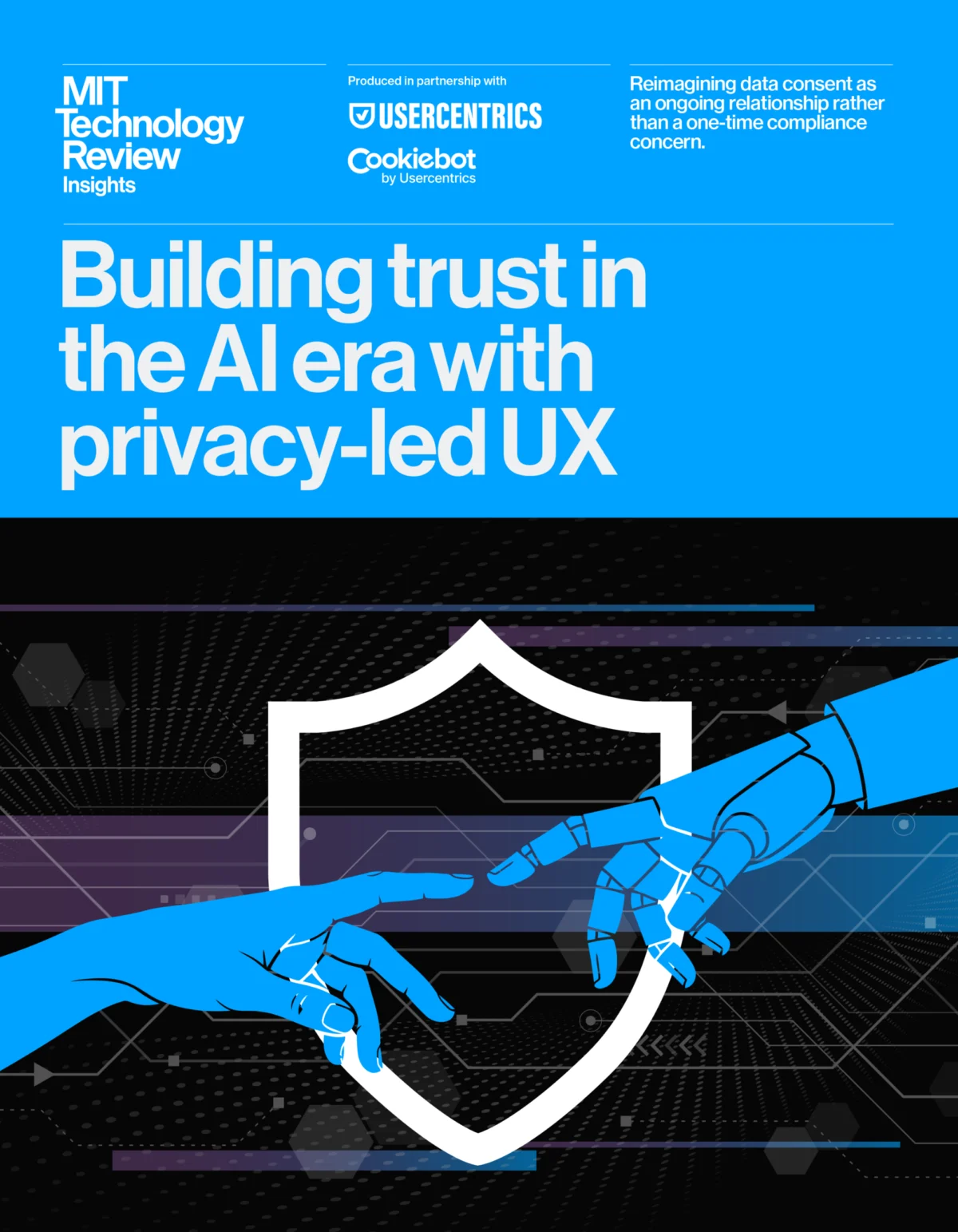
In an increasingly data-driven world, where artificial intelligence (AI) is rapidly reshaping how businesses interact with consumers, the very foundation of these relationships – trust – is being redefined. A groundbreaking approach, privacy-led user experience (UX), is emerging not just as a compliance necessity but as a strategic imperative for fostering enduring consumer trust. This design philosophy fundamentally shifts the perception of data collection and usage from a mere transactional necessity to an integral component of a robust customer relationship. Rather than viewing user consent as a perfunctory tick-box exercise, privacy-led UX positions it as the inaugural step in a dynamic and ongoing dialogue with the customer. For organizations that embrace this philosophy, the rewards extend far beyond simple consent rates, cultivating a more profound, valuable, and sustainable asset: genuine consumer trust.
The profound implications of privacy-led UX are only now coming into sharp focus. Adelina Peltea, Chief Marketing Officer at Usercentrics, a company at the forefront of this movement, has observed a significant evolution in enterprise sentiment. "Even just a few years ago," Peltea remarks, "this space was viewed more as a trade-off between growth and compliance. However, as the market has matured, there’s been a greater focus on how to tie well-designed privacy experiences to business growth." This paradigm shift signifies a recognition that prioritizing user privacy can, in fact, be a catalyst for enhanced business performance, rather than a constraint.
The tangible benefits of this approach are becoming increasingly evident. Well-designed, value-forward consent experiences consistently outperform initial projections. These critical touchpoints, where users interact with an organization’s data practices, encompass a range of tools and disclosures. Consent management platforms (CMPs) are at the vanguard, providing users with granular control over their data. Alongside these, robust terms and conditions and transparent privacy policies serve as foundational documents. Data subject access request (DSAR) tools empower individuals to exercise their rights regarding their personal information. And, crucially, in the burgeoning AI landscape, clear and comprehensible AI data use disclosures are becoming paramount.

This report delves into the intricate mechanisms by which data transparency cultivates customer trust. It explores how this trust, in turn, can significantly bolster business performance. Furthermore, it outlines actionable strategies for organizations to maintain and strengthen this trust, even as the integration of AI systems introduces new layers of complexity to consent processes. The findings underscore a critical truth: in the age of AI, transparency isn’t just good practice; it’s a competitive advantage.
The report highlights several key findings that illuminate the power of privacy-led UX. Firstly, it demonstrates a direct correlation between transparent data practices and increased consumer trust. When users feel informed and in control of their data, their confidence in an organization’s integrity grows. This heightened trust translates into a greater willingness to engage with the brand, share information, and ultimately, become loyal customers.
Secondly, the research illustrates how this enhanced trust directly impacts business performance. Companies that prioritize privacy-led UX often see improved customer retention rates, reduced churn, and a more positive brand reputation. In an era where data breaches and privacy missteps can have catastrophic consequences, a proactive and transparent approach to data handling can serve as a powerful differentiator, mitigating risks and building a resilient brand.
Thirdly, the report addresses the evolving challenges posed by AI. As AI systems become more sophisticated, their data requirements and processing methods can become opaque to the average user. This presents a significant hurdle for maintaining transparency and trust. Privacy-led UX provides a framework for navigating these complexities, advocating for clear, concise, and accessible explanations of how AI systems utilize personal data. This includes being upfront about the types of data collected, the purpose of its use, and any potential implications for the individual.

The report emphasizes the importance of a human-centric approach to AI data disclosures. While AI can automate many processes, the communication around data usage must remain inherently human. This means avoiding jargon, using plain language, and providing clear examples of how data contributes to personalized experiences or improved services. It also involves offering users meaningful choices and the ability to opt out of certain AI-driven data processing activities without compromising their overall experience.
Moreover, the report suggests that privacy-led UX extends beyond initial consent. It advocates for continuous engagement with users regarding their data. This can include regular updates on data usage policies, accessible channels for feedback and inquiries, and proactive notifications about any significant changes to data handling practices. Building trust is not a one-time event; it’s an ongoing commitment.
The report also touches upon the ethical considerations inherent in AI development and deployment. By embedding privacy into the core of UX design, organizations are not only meeting regulatory requirements but also demonstrating a commitment to ethical data stewardship. This ethical stance can resonate deeply with consumers, further solidifying their trust and loyalty.
In essence, the findings of this report serve as a compelling call to action for businesses across all sectors. The AI era presents both unprecedented opportunities and significant challenges. By embracing privacy-led UX and content, organizations can navigate this complex landscape with confidence, building strong, trust-based relationships with their customers that are both ethically sound and commercially beneficial. This approach is not merely about compliance; it’s about cultivating a future where technology and human values coexist, fostering an environment where innovation thrives alongside respect for individual privacy. The ability to build and maintain consumer trust in this new era is paramount, and privacy-led UX offers a clear and effective pathway to achieve it. The report underscores that this is not just a trend, but a fundamental shift in how businesses must operate to succeed in the digital age. It is an investment in a more sustainable and ethical future for both consumers and corporations.