Faris Adani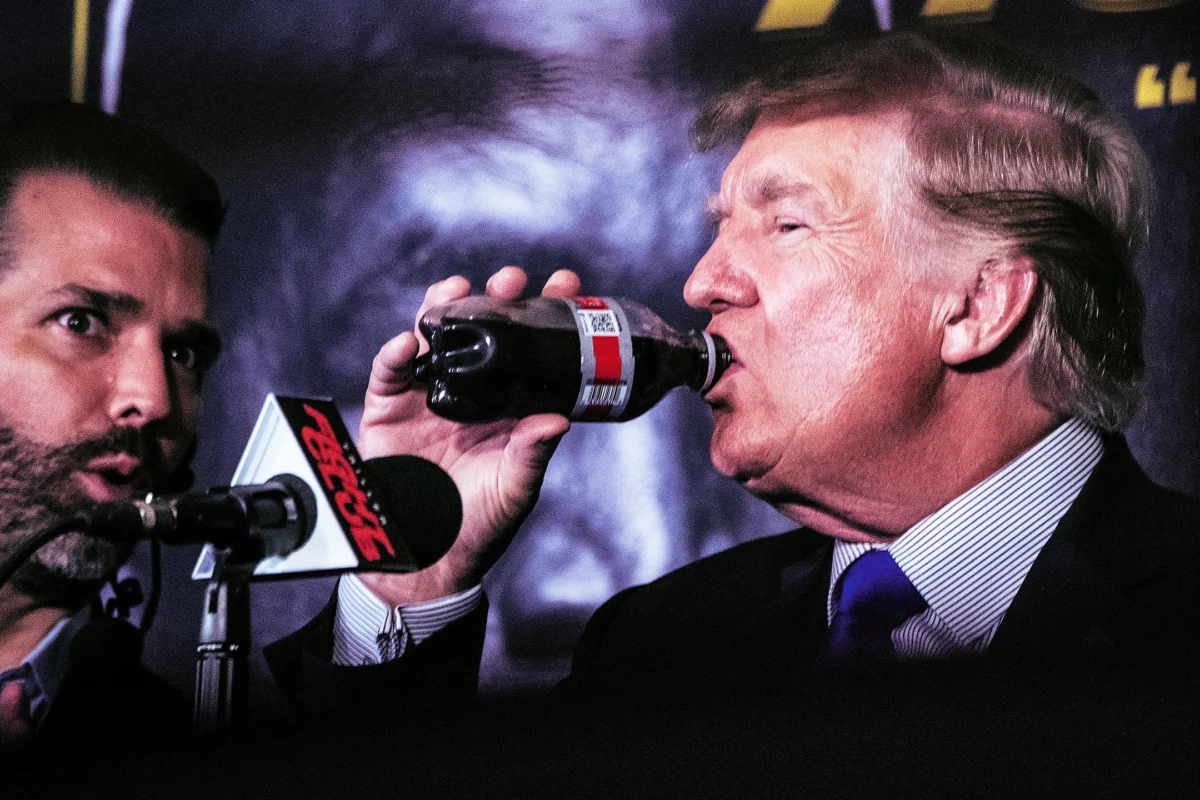
According to Dr. Oz, the former President’s devotion to fizzy beverages, particularly Diet Coke, was so profound that a specialized button was reportedly installed on his Oval Office desk, enabling him to summon an aide for a fresh serving at his whim. Oz recounted the conversation with Trump Jr., stating, "Then comes the diet soda pops, which your dad argues that diet soda is good for him because it kills grass [when] it’s poured on grass, so therefore, it must kill cancer cells inside the body." This peculiar logic, which equates a chemical reaction with vegetation to a curative effect on complex human cellular biology, highlights a fundamental misunderstanding of scientific principles and medical research. The leap from a simple observation about an external phenomenon to a profound internal health benefit reveals a mindset often unmoored from evidence-based reasoning.
Dr. Oz further elaborated on this unique health philosophy with another striking anecdote from Air Force One. He recalled his apprehension upon seeing the President consuming an orange soft drink. When confronted, Trump reportedly offered a sheepish grin and asserted, "You know, this stuff is good for me, it kills cancer cells." He then added, with what Oz described as a further attempt at justification, "It’s fresh squeezed, so how bad could it be for you?" This additional detail not only compounds the original misconception but introduces another layer of misinformation, as commercial orange sodas are decidedly not "fresh squeezed" in any meaningful dietary sense, often being laden with artificial flavors, colors, and sweeteners. The President’s seemingly earnest belief in these concoctions’ therapeutic properties stands in stark contrast to decades of public health guidance.
The scientific and medical communities universally refute the notion that soft drinks, diet or otherwise, possess any cancer-killing properties. In fact, the consensus is quite the opposite: regular consumption of soft drinks is unequivocally detrimental to health, contributing to a litany of adverse conditions. Sugary sodas are well-established culprits in the global obesity epidemic, directly linked to increased risks of Type 2 diabetes due to their high glycemic load, which can lead to insulin resistance over time. Beyond these primary concerns, they contribute to cardiovascular disease through their impact on blood pressure and cholesterol levels, and their acidic nature is a known factor in dental erosion and cavities. The sheer volume of sugar in a single serving can disrupt metabolic processes and contribute to chronic inflammation, a known precursor to various diseases, including certain types of cancer.
Even diet sodas, often marketed as a healthier alternative, are far from benign. While they replace sugar with artificial sweeteners like aspartame, sucralose, or saccharin, research suggests these substitutes may not offer the health advantages once presumed. Studies have linked diet soda consumption to weight gain, ironically, as artificial sweeteners can confuse the body’s metabolic response to sugar, potentially leading to increased cravings and altered gut microbiome composition. There’s also emerging evidence suggesting a correlation between diet soda intake and an increased risk of stroke, dementia, and heart disease. The idea that these chemically engineered beverages could combat cancer cells is not only baseless but dangerously misleading, diverting attention from proven preventive measures like a balanced diet, regular exercise, and avoiding known carcinogens.
The historical context of Coca-Cola, while interesting, is often misrepresented to lend a veneer of medicinal credibility. When pharmacist John Pemberton invented the elixir in 1886, he indeed advertised it as a brain tonic and an alternative to alcohol, capitalizing on the popular patent medicine craze of the 19th century. Early formulations even contained coca leaf extract, which included cocaine, though this was later removed. However, these claims were products of an era with rudimentary scientific understanding and lax regulations, not evidence-based medicine. Subsequent research has thoroughly debunked any therapeutic value, establishing soda as a recreational beverage with known health risks, including links to impulsive behavior and diminished memory, particularly in younger individuals.
Donald Trump’s personal dietary habits and skepticism toward expert consensus are well-documented. His publicized love for fast food, often consumed in large quantities, aligns with a general indifference to conventional health advice. This personal stance resonates with a broader pattern observed throughout his White House tenure, where scientific expertise was frequently sidelined in favor of unconventional viewpoints. The former President’s often-stated distrust of "experts" and his preference for his own intuition or anecdotal evidence created an environment where established scientific facts were often challenged or dismissed. This approach extended beyond personal diet to critical areas like climate change, public health responses, and environmental regulations.
The involvement of Dr. Mehmet Oz in this narrative is particularly salient, given his own history. Before entering government, Dr. Oz built a media empire on medical advice, frequently attracting criticism for promoting unproven health remedies and "miracle cures." He faced scrutiny, for instance, for touting green coffee bean extract as a weight-loss aid, a claim that was later retracted due to flawed research. His transition into a role overseeing Medicare and Medicaid, traditionally positions demanding rigorous adherence to evidence-based practices, was met with concern by many in the medical community. His willingness to entertain, and even articulate, the former President’s unscientific health beliefs, however bizarre, further illustrates the challenges of upholding scientific integrity in public discourse when influential figures endorse or amplify misinformation.
While the original article mistakenly referred to Robert F. Kennedy Jr. as the Secretary of Health and Human Services (a position he has never held), his prominence and alignment with skeptical views on established science, particularly concerning vaccines, exemplify the broader trend of high-profile individuals promoting ideas that diverge sharply from mainstream medical consensus. Kennedy’s well-known anti-vaccine activism, despite overwhelming scientific evidence supporting vaccine safety and efficacy, highlights how such figures can sow doubt and undermine public health initiatives. This echoes the environment where claims like soda killing cancer cells can gain traction, particularly when emanating from, or being discussed by, leaders and their close associates. The collective impact of such pronouncements can be profoundly damaging, eroding public trust in science and potentially leading individuals to make harmful health decisions based on falsehoods.
Ultimately, the anecdote about President Trump’s belief in the cancer-killing properties of Diet Coke serves as more than just a peculiar personal quirk; it’s a stark illustration of the dangers inherent when influential public figures disregard scientific consensus in favor of unfounded theories. In an era where misinformation can spread rapidly and have serious consequences for public health, the importance of leaders upholding and promoting evidence-based information cannot be overstated. The health of a nation depends not on the fanciful notions of its leaders but on a steadfast commitment to scientific truth and the expertise of those dedicated to understanding and improving human well-being.