Win McNamee/Getty Images
Sign up to see the future, today
Can’t-miss innovations from the bleeding edge of science and tech
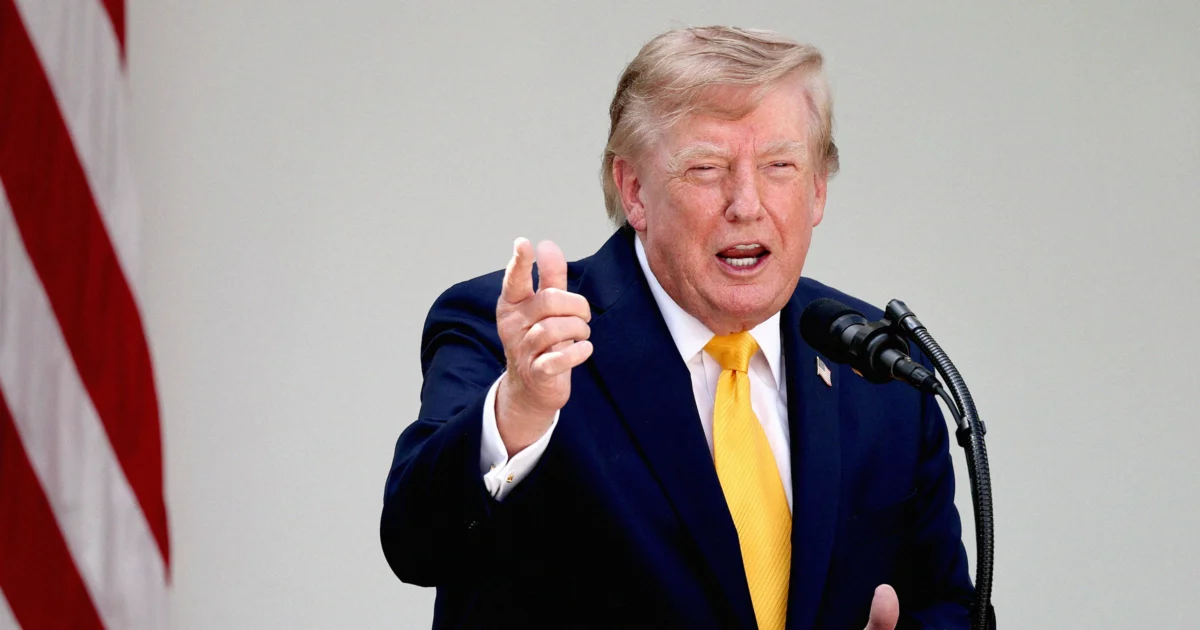
President Donald Trump, now in his second term, has once again positioned himself against the prevailing public sentiment, this time delivering a stark and confrontational message to American communities hesitant about hosting the burgeoning AI industry’s data centers. In a peculiar and widely-discussed interview with his former personal attorney, Michael Cohen, aired on Cohen’s “Mea Culpa” podcast this past Monday, August 24, 2026, the President lambasted those who oppose the construction of these massive digital infrastructure hubs, labeling their concerns as “foolish” and “a mistake.” His unequivocal defense of data centers, an industry currently facing unprecedented scrutiny and public backlash, has been widely flagged and analyzed, most notably by *Forbes*, drawing immediate and polarized reactions across the political spectrum.
The interview, a rare and somewhat awkward pairing given their tumultuous past, saw Cohen probing Trump on his administration’s stance on technology and economic development. Trump, never one to mince words, seized the opportunity to champion data centers as vital engines of progress. “Frankly, communities that don’t take a data center are making a mistake,” Trump declared, his voice echoing with his signature blend of confidence and indignation. “They’re being short-sighted. There are plenty of communities that want them, the smart ones. And those smart ones will be the ones that prosper, believe me.” This declaration directly challenges the widespread apprehension among American voters, who, according to recent polls, largely view the unchecked expansion of data centers with suspicion, citing concerns ranging from environmental impact to economic fairness.
Trump’s argument, however, leans heavily on what critics describe as “tired” and often “false” promises of economic revitalization. He reiterated the familiar refrain that these facilities would create “new jobs” and bring “tremendous tax revenue” to towns grappling with decades of economic stagnation and neglect. Yet, the reality of data center economics often paints a different picture. While the construction phase does indeed generate a significant number of temporary jobs for skilled trades, the operational footprint of a modern data center is surprisingly small, requiring a highly specialized, but limited, workforce. After the initial boom, the promise of sustained, broad-based employment often fails to materialize, leaving communities with massive structures that employ only a handful of people.
Furthermore, the “tremendous tax revenue” frequently touted by developers and their political allies is often significantly eroded by generous tax incentives, abatements, and other subsidies offered by states and municipalities eager to attract high-tech investment. These deals, often negotiated behind closed doors, can waive property taxes, sales taxes, and even utility taxes for decades, effectively shifting the financial burden onto existing residents and businesses. In many cases, the net economic benefit to the community, beyond the initial construction period, proves to be marginal, or even negative, especially when factoring in the increased strain on local infrastructure like roads, power grids, and water supplies. This economic disparity has fueled much of the public’s disillusionment, transforming what was once seen as a symbol of progress into a contentious point of local contention.
The “data center frenzy” itself is a direct consequence of the explosive growth of artificial intelligence, cloud computing, and big data. As AI models become more complex and data-intensive, the demand for processing power and storage has skyrocketed, leading tech giants to aggressively seek out locations for new server farms. These facilities are enormous, often spanning hundreds of acres, and are characterized by their insatiable appetite for electricity and water. A single large data center can consume as much electricity as a small city, contributing significantly to carbon emissions, especially if powered by fossil fuels. Their cooling systems, essential for preventing server meltdown, often draw billions of gallons of water annually from local aquifers and municipal supplies, raising alarm bells in regions already facing drought or water scarcity.
Despite this growing backlash, which unites environmentalists, property rights advocates, and even fiscally conservative groups, President Trump has steadfastly “doubled down” on his support for the AI industry’s relentless drive to erect these facilities. His stance is particularly striking given the broad, bipartisan opposition to data centers. Polling data indicates that neither Democrat nor Republican voters are particularly keen on having these colossal, resource-intensive structures in their backyards. Concerns about environmental degradation, strain on public resources, and the perceived lack of true economic benefit have transcended traditional political divides, creating a rare point of consensus among an otherwise fractured electorate.
This unwavering presidential endorsement comes at a critical time for his Republican party, which faces a potential political reckoning during the upcoming US midterm elections in November. Just last week, a leaked internal memo from Republican party strategists in Ohio revealed deep anxieties about the electoral impact of the data center debate. The memo, circulated among state party leaders, desperately pleaded with the tech industry to “solve its public relations crisis” around data centers. It warned that opposing Democrats were successfully leveraging public resentment against these projects, painting Republicans as out of touch and beholden to corporate interests, thereby threatening significant losses in key races across the state. The strategists expressed particular concern that incumbent Republicans in suburban and exurban districts, where land is cheaper and data center proposals are more common, were especially vulnerable.
The Ohio memo outlined specific fears: that Democratic candidates were effectively framing data centers as “environmental destroyers” and “tax dodgers,” leaving Republican incumbents struggling to defend projects that offer little tangible benefit to their constituents. It urged the party to develop a more nuanced message, one that acknowledges local concerns while still promoting technological advancement, a task proving increasingly difficult given the deeply entrenched public skepticism. The President’s latest comments, far from offering such nuance, only serve to further entrench his party on the less popular side of the debate, potentially exacerbating the very electoral vulnerabilities the Ohio strategists sought to address.
Whether President Trump’s characteristically defiant, pro-data center antics ultimately hurt his own party in November remains to be seen. His base, known for its loyalty, might interpret his stance as a sign of strong leadership, prioritizing national technological competitiveness over localized complaints. However, for swing voters and those directly impacted by data center proposals, his dismissive tone could solidify opposition. It is clear that the President, despite the urgent pleas from his party’s strategists and the growing chorus of public disapproval, has not “gotten the message.” Instead, he continues to champion an industry that is rapidly becoming a political liability, making the upcoming midterms a crucial test of whether the economic promises of the AI boom can outweigh the mounting environmental and social costs in the eyes of the American electorate. The intensifying debate over data centers is more than just a local zoning issue; it is a microcosm of the larger struggle to balance technological progress with community well-being and environmental stewardship in the 21st century.

Related Posts
Faris Adani
- Future Tech
- Innovation
- September 30, 2026
- 0 Comments
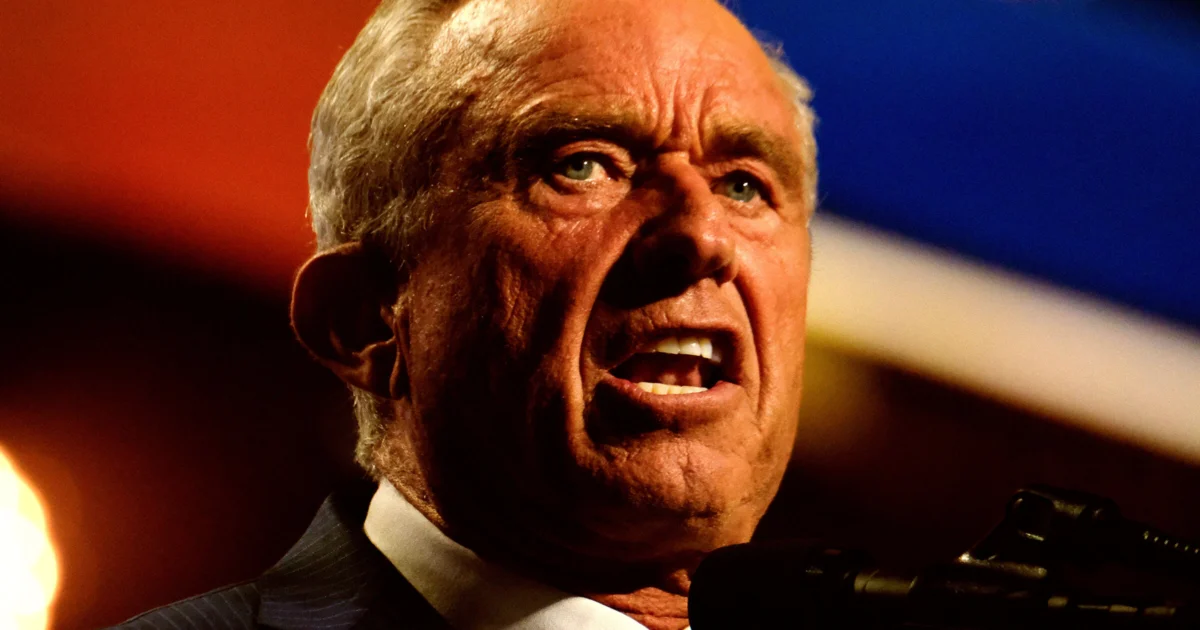
RFK Jr Announcing That AI Is Now Better Than Human Doctors Shows That He Is a Buffoon Who Is Ruining Trust in American Health Institutions
Joel Angel Juárez/For The Washington Post via Getty Images RFK Jr Announcing That AI Is Now Better Than Human Doctors Shows That He Is a Buffoon Who Is Ruining Trust…
- Future Tech
- Innovation
- September 28, 2026
- 0 Comments
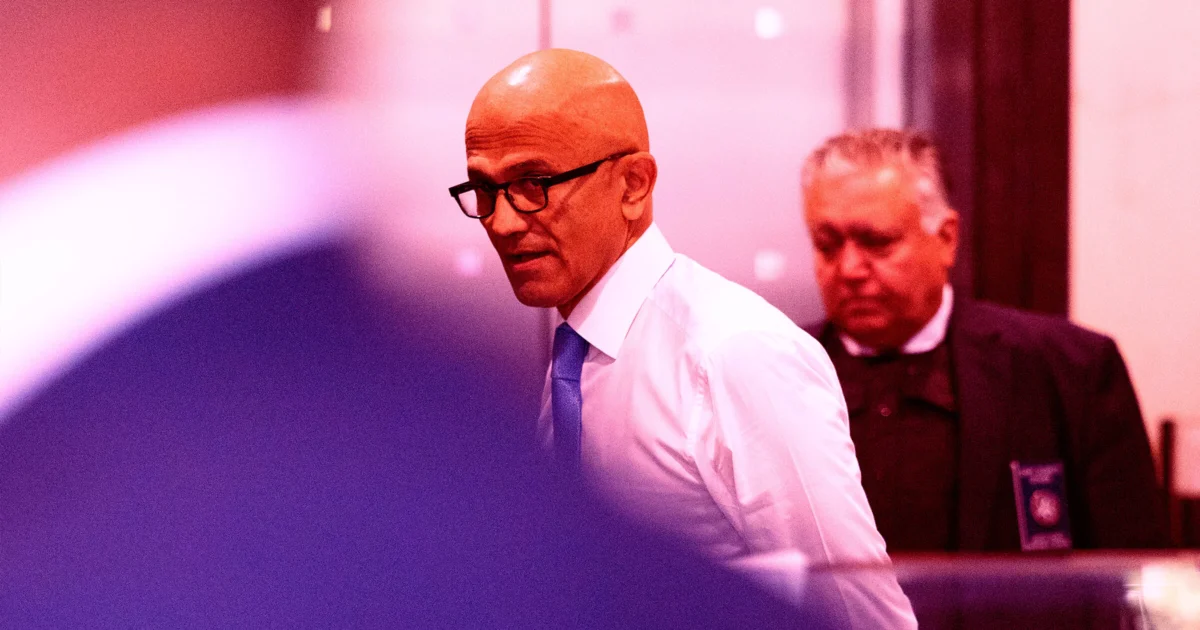
Microsoft Shrivels When Asked If Its “Good Neighbor” Data Center Policy Will Involve Actually Supporting Community Groups
Benjamin Fanjoy/Getty Images/Futurism Microsoft Shrivels When Asked If Its “Good Neighbor” Data Center Policy Will Involve Actually Supporting Community Groups. The grand pronouncements of corporate social responsibility often sound compelling…