
 Imroatul Nasiyah
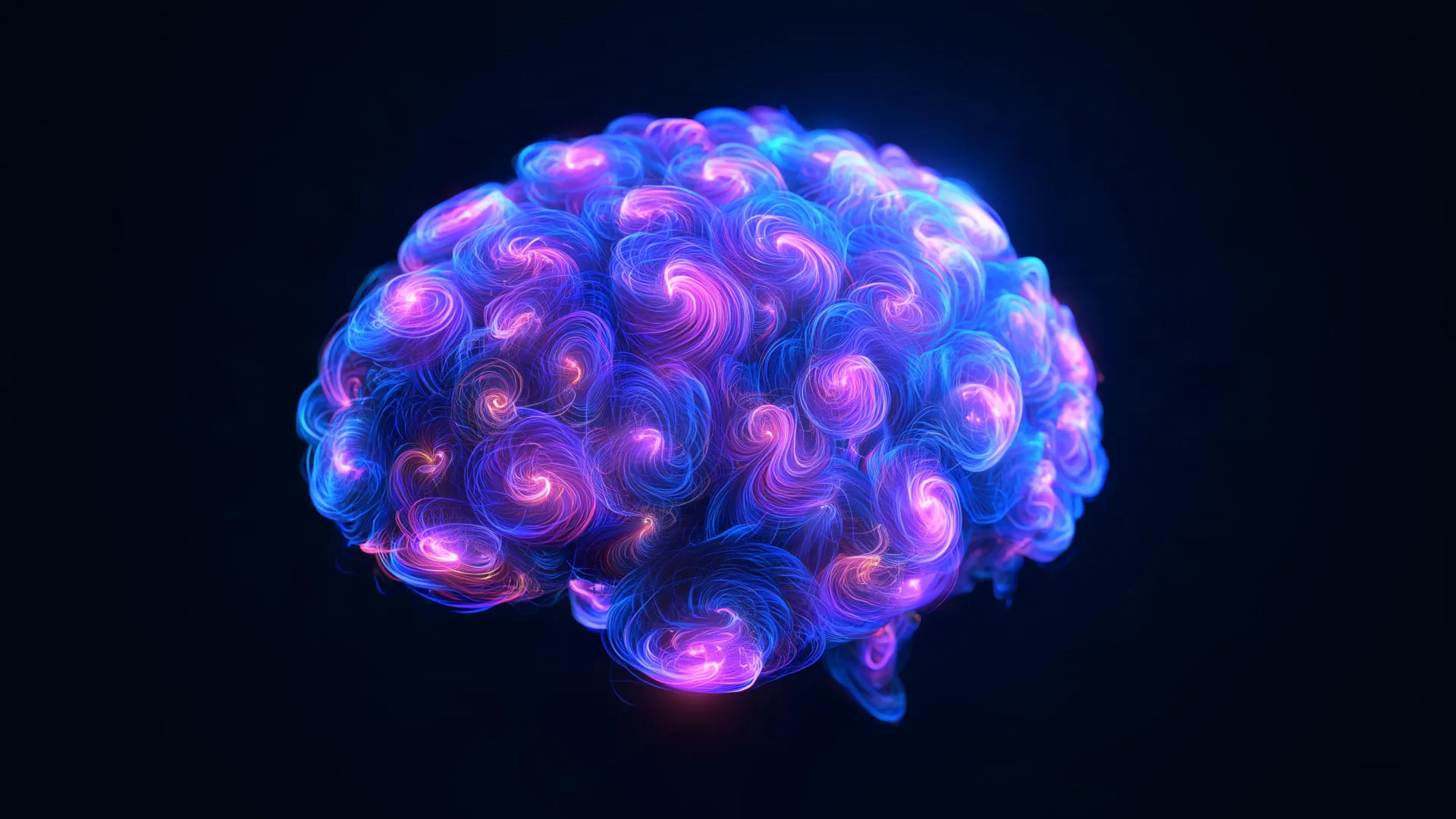
Tiny magnetic structures called skyrmions could help pave the way for a new generation of computers that process information more like the human brain while using far less electricity. Although most people have never heard of skyrmions, these microscopic magnetic vortices may eventually play an important role in how computers store and process data, heralding a paradigm shift in computational technology that promises to rival the efficiency and complexity of biological systems. This groundbreaking research, detailed in the prestigious journal Nature Nanotechnology, delves into the intricate behavior of these enigmatic magnetic entities, offering unprecedented insights into their controllability and potential applications, particularly in the realm of spintronics and quantum technologies.
The research, a collaborative effort primarily conducted at the Institute of Physics at Johannes Gutenberg University in Mainz, Germany, with significant contributions from Professor Asle Sudbø at the Norwegian University of Science and Technology (NTNU), has illuminated the path toward realizing these ambitious goals. Professor Sudbø, a leading figure at NTNU’s Centre for Quantum Spintronics (QuSpin), elaborated on the fundamental nature of skyrmions, describing them as "small, magnetic vortices that can store information in a completely new way." This novel approach to information storage and processing stands in stark contrast to the limitations of conventional computing.
Current computing paradigms, driven by ever-increasing demands for data handling, face a persistent challenge: the escalating need for physical space and energy consumption. As data volumes continue to explode, traditional semiconductor-based architectures require larger and more power-hungry components. Skyrmions, however, offer a compelling alternative. "Instead of the current technology, where we constantly need more space and energy to process data, skyrmions could make it possible to build much smaller and more energy-efficient data storage systems," Professor Sudbø explained. This efficiency stems from their unique topological properties and their ability to be manipulated with minimal energy input.
The potential applications of skyrmions extend far beyond mere data storage. They are intrinsically linked to the burgeoning field of spintronics, which seeks to leverage the inherent magnetic properties of electrons – their spin – in electronic devices, moving beyond the charge-based operations of current electronics. Furthermore, skyrmions hold promise for advancing research into topological quantum effects, a complex area of physics with profound implications for future technologies.
One of the most captivating prospects is the development of computers that emulate the architecture and functionality of biological brains. The human brain, a marvel of energy efficiency and parallel processing, performs complex tasks with astonishingly low power consumption. Skyrmions offer a potential pathway to replicate this feat in artificial systems. "These nanoscale vortices could help develop computers that resemble biological brains," stated Professor Sudbø. Instead of relying on the binary logic of transistors, these brain-like computers could harness the dynamic interactions of magnetic skyrmions to process information, potentially leading to a dramatic reduction in electricity consumption and enabling future computers to tackle intricate problems with minimal energy expenditure.
However, translating this theoretical potential into practical technology hinges on a deep and precise understanding of skyrmion behavior and the development of reliable methods for their manipulation. The latest research represents a significant stride towards achieving this crucial understanding.
A key aspect of skyrmion research involves their collective behavior. Skyrmions do not always exist in isolation; under specific conditions, they can self-organize into ordered, repeating patterns known as skyrmion lattices. These lattices, resembling the atomic arrangements in crystals but on a nanoscale, are crucial for practical applications. The ability to manipulate these organized structures is paramount for their integration into future computing devices.
In a landmark achievement, the researchers in the new study have, for the first time, directly observed and filmed the "melting" of a magnetic skyrmion lattice in real time, while simultaneously exercising precise control over individual skyrmions within the lattice. This unprecedented ability to watch the lattice deconstruct and influence individual skyrmions as it happens provides invaluable data. "For the first time, researchers have managed to film how a magnetic skyrmion lattice melts in real time, while simultaneously being able to manipulate each individual skyrmion directly as they film it. For example, both their shape and size can be changed ‘on the fly’," Professor Sudbø remarked.
This real-time observation offers a clearer picture of how skyrmions respond to external stimuli as their organized structures break down. It allows scientists to meticulously study the effects of altering the size and shape of individual magnetic vortices on their behavior and stability. Understanding the dynamics of lattice breakdown and the response of individual skyrmions is critical for developing the robust control mechanisms needed to harness these particles for technological purposes.
The findings of this study offer more than just a novel observation of a fascinating magnetic phenomenon. They provide essential data that can help researchers overcome the inherent challenges in developing practical skyrmion-based technologies. "The findings give us new insight into how these types of particles behave. This could therefore become important for the development of more energy-efficient computer technology in the future," Professor Sudbø emphasized. This deeper understanding is vital for designing future memory and processing units that can reliably store and manipulate information using skyrmions.
While the widespread adoption of skyrmions in everyday computing devices is still some years away, requiring substantial further development, this research underscores their immense potential. This includes revolutionizing data storage capacities, enabling entirely new computational architectures that move beyond the limitations of current designs, and providing a powerful platform for advancements in quantum technology. By mastering the art of observing and manipulating these tiny magnetic vortices in real time, scientists are acquiring capabilities that could fundamentally reshape the future of computing. As Professor Sudbø concluded, "This could revolutionize the way we think about computers," hinting at a future where our devices are not only more powerful but also significantly more in tune with the energy-efficient principles of the natural world.