isnaini azizah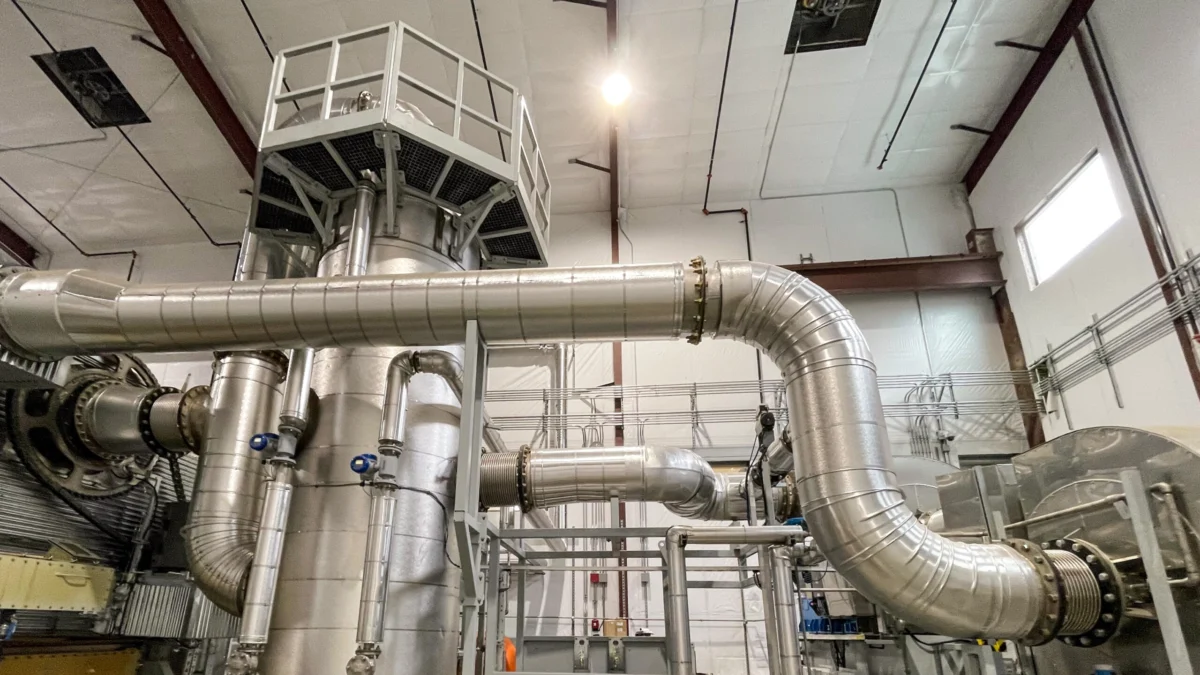
The digital landscape is abuzz with two significant narratives today: a critical examination of burgeoning perimenopause misinformation and a groundbreaking advancement in China’s artificial intelligence capabilities that could be narrowing the technological gap with the United States. This edition of The Download, our daily dispatch from the forefront of technology, dives deep into these crucial topics, offering clarity amidst the hype and insight into the rapidly evolving global tech arena.
The Perimenopause Hype: Separating Fact from Fiction
Once a hushed subject, perimenopause has surged into public consciousness, propelled by the visibility of television personalities and the pervasive influence of social media. This increased openness, while beneficial in destigmatizing a natural life stage, has unfortunately paved the way for a significant influx of misinformation. As Jessica Hamzelou reports, the narrative surrounding perimenopause is increasingly being shaped by claims that lack robust scientific backing.
Contrary to what some marketing campaigns might suggest, there is no definitive medical test for perimenopause. While this does not diminish the very real struggles women face with its symptoms, the suggested treatments often lack rigorous scientific validation. Furthermore, it’s crucial to recognize that not all the physical and emotional changes experienced by women in midlife can be solely attributed to hormonal shifts. Many symptoms may stem from other underlying health issues or lifestyle factors that require distinct diagnostic approaches and interventions. The proliferation of unverified advice can lead to delayed diagnoses, inappropriate treatments, and unnecessary anxiety for individuals navigating this complex phase. This trend underscores the vital need for evidence-based information and a critical approach to health advice disseminated online. For a comprehensive exploration of this issue, readers are encouraged to delve into the full story on the hype and misinformation surrounding perimenopause.
This article is part of "The Spark," our weekly climate tech newsletter. To receive it every Wednesday, sign up here.
The Must-Reads: A Curated Dive into Today’s Tech Landscape
1. China’s AI Ascent: Closing the Gap with the US
The global artificial intelligence race has seen a pivotal moment with a Chinese startup unveiling the world’s largest open AI model. This development, reported by Reuters, signals a significant narrowing of the perceived AI gap between China and the United States. The sheer scale of this open-source model directly challenges the dominance of proprietary models developed by leading Western tech giants like Anthropic and OpenAI, as noted by Gizmodo.
The implications of this release have reverberated through the financial markets, with AI and semiconductor stocks experiencing a downturn following the announcement, according to Bloomberg. This shift underscores the growing competitiveness of Chinese AI hardware, with domestic alternatives to Nvidia gaining traction and projecting substantial sales amidst surging AI chip demand, as detailed by SCMP. President Xi Jinping’s recent pitch to the developing world positioning China as an AI partner further solidifies the nation’s ambitious global strategy. This move is part of a broader commitment to open-source development, a strategic bet that MIT Technology Review has highlighted as a key pillar of China’s AI future.
2. Trump Media’s Monetization of Social Posts
In a novel business strategy, Trump Media is exploring the monetization of "market-moving" social posts, offering instant access to the former president’s statements. Quartz reports on this new mechanism designed to capitalize on the immediate impact of his online pronouncements. The BBC further elaborates that Trump could directly profit from selling access to his statements, raising questions about transparency and market influence. Adding another layer to this narrative, Kalshi claims to have identified insider trading related to Trump’s teleprompter operator, as covered by The Verge, highlighting potential regulatory concerns.
3. Astronomers Discover Atmosphere on a Nearby Earth-like Planet
A groundbreaking discovery in astronomy has revealed the presence of an atmosphere on a nearby Earth-like planet, marking the first potentially habitable world known to host such a feature. The New York Times reports on this monumental finding, which positions the exoplanet as a prime candidate in the ongoing search for extraterrestrial life. 404 Media emphasizes its potential to host Earth-like life, while MIT Technology Review offers guidance on the intricacies of identifying such celestial bodies.
4. Brain Implant Restores Feeling in Paralyzed Hand
A significant medical advancement has been achieved with a brain implant successfully restoring sensation in a paralyzed hand. The Guardian details how the recipient can now perform tasks like feeding himself and drinking from a cup. New Scientist reports that the restored movement persisted even after the stimulation was discontinued, suggesting a lasting impact. This development follows China’s approval of a world-first brain chip, as previously covered by MIT Technology Review, indicating a global surge in neurotechnology innovation.
5. EU Demands Google Share Search Data and Open Android AI

The European Union has issued directives to Google, mandating the sharing of search data with competing providers and requiring the opening of its Android platform to rival AI bots. Ars Technica outlines the EU’s official stance, which will force Google to provide data to competitors. The Washington Post further reports on the directive to open Android phones to third-party AI bots, signaling a significant regulatory challenge for the tech giant.
6. Period Trackers: Uncovering Privacy Vulnerabilities
New research has brought to light significant privacy concerns associated with period tracking applications. The BBC reports on findings that reveal how these apps are sharing sensitive user health data, raising alarms about the security of personal information.
7. Tesla Driver Overrode Autopilot in Fatal Texas Crash
Investigators have concluded that the Tesla driver in a fatal Texas crash intentionally overrode the vehicle’s Autopilot system. The Verge reports that the driver bypassed the technology by accelerating to 100%, indicating a deliberate human intervention in the incident.
8. The Disappearing Stealth Drone
A new stealth drone has been developed that spins at such high speeds that it effectively disappears from view. New Scientist highlights this innovative design, though its creators acknowledge that the drone remains audible, presenting a potential limitation for its stealth capabilities.
9. Microgravity’s Impact on Astronauts’ Bodies
A study conducted on the International Space Station suggests a reason behind the bodily deterioration experienced by astronauts. Nature reports that microgravity disrupts mitochondria, leading to a reduction in protein production, which could explain muscle and tissue loss in space.
10. "Adversarial Clothing" for Facial Recognition Evasion
"Adversarial clothing," designed to confuse facial recognition systems, is gaining popularity, signaling a potential shift towards privacy as a dominant trend in fashion. The Guardian explores the rise of these garments and their implications for personal privacy in an increasingly surveilled world.
Quote of the Day
"Xi’s message is clear: China is not going to follow anyone on both AI technology and ‘standards.’ Instead, China is going to lead the world in both aspects."
— George Chen, chair in digital practice at The Asia Group consultancy, offers his perspective to Reuters on Xi Jinping’s address at the World Artificial Intelligence Conference (WAIC) in Shanghai, emphasizing China’s ambition to be a global leader in AI development and standard-setting.
One More Thing: The Future of Farming with Poop
A new industrial facility in suburban Seattle is pioneering a revolutionary approach to waste management, transforming human and livestock fecal waste into valuable agricultural nutrients. This innovative process, detailed by Bryn Nelson, safely treats waste while recycling essential nutrients that are in increasingly short supply for farmlands nationwide. This initiative is part of a broader movement to reframe feces and urine not as waste products, but as invaluable natural resources. Several companies are now demonstrating scalable, energy-efficient technologies for this transformation, heralding a future where waste is a source of sustainable agriculture. Find out how human waste is being transformed into agricultural solutions.
We Can Still Have Nice Things
- Soccer icons have been immortalized in the distinctive style of Ghanaian movie posters.
- The James Webb Space Telescope presents a breathtaking cosmic construction project as July’s Picture of the Month.
- A comprehensive online repository celebrates Sir David Attenborough’s 100th birthday with a complete archive of his work.
- The concept of "desire paths"—informal trails created by pedestrians—is explored in a video that delves into their psychological and design implications.