isnaini azizah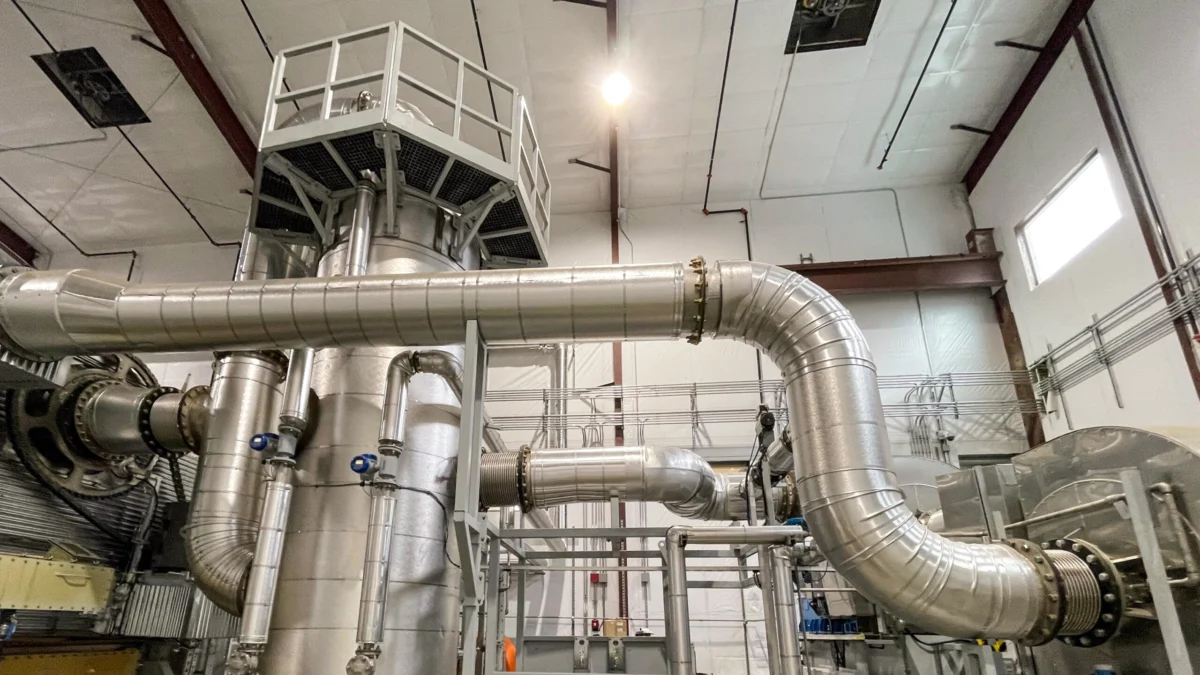
The digital landscape is abuzz with two significant narratives: the growing tide of misinformation surrounding perimenopause and a potential narrowing of the AI gap between China and the United States. This edition of "The Download," your daily dose of technology news, delves into these crucial topics.
The Perimenopause Hype: Separating Fact from Fiction
Perimenopause, the transitional phase leading up to menopause, has moved from a hushed whisper to a prominent public conversation, largely fueled by television personalities and social media influencers. While this increased openness is a welcome development, it has also paved the way for a proliferation of misinformation. The narrative often presented, particularly by some marketers, suggests that perimenopause can be definitively diagnosed with a test. However, medical professionals emphasize that there is no single diagnostic test for perimenopause. This doesn’t negate the very real and often debilitating symptoms many women experience during this multi-year period. While treatments exist and women deserve relief from their symptoms, it’s crucial to approach suggested therapies with a discerning eye, as not all proposed solutions are backed by robust scientific evidence. Furthermore, it’s important to recognize that not every symptom experienced by women in midlife can be solely attributed to hormonal fluctuations. Many factors, including lifestyle, stress, and other underlying health conditions, can contribute to the complex array of changes women undergo. The urgency to find solutions is understandable, but it’s imperative that these solutions are grounded in scientific validity and a holistic understanding of women’s health. For a deeper dive into the hype and the factual landscape surrounding perimenopause, a comprehensive article is available for review. This article, part of "The Spark," our weekly climate tech newsletter, underscores the importance of critical evaluation in health-related discourse.
China’s AI Ascendancy: A Leap Forward
In the realm of artificial intelligence, a significant development has emerged that could reshape the global AI landscape. A Chinese startup has unveiled the world’s largest open AI model, a move that has the potential to substantially narrow the perceived AI gap between China and the United States. This groundbreaking release directly challenges the dominance of established Western AI powerhouses like Anthropic and OpenAI. The implications of this development are far-reaching. The announcement sent ripples through the market, causing AI and semiconductor stocks to experience a downturn, signaling the immediate impact of this competitive shift. Concurrently, China’s advancements in developing alternatives to Nvidia’s high-performance chips are gaining momentum, indicating a broader strategic push in AI hardware. This surge in AI innovation is not happening in a vacuum. President Xi Jinping has actively positioned China as a collaborative partner in AI development for the global community, particularly for developing nations. This strategic outreach aligns with China’s significant investment and bet on open-source AI models as a key driver of future innovation and adoption. The country’s commitment to open-source development suggests a desire to democratize AI technology and foster a more collaborative global ecosystem, while simultaneously bolstering its own technological capabilities. This strategic emphasis on open-source models is a calculated move to accelerate research and development, encourage broader participation, and potentially establish new industry standards. The implications for global AI development, research collaboration, and the future competitive landscape are immense, suggesting a new era of intensified innovation and strategic competition in the AI space.
Must-Read Technology Stories
Beyond the major headlines, a spectrum of fascinating and important stories are shaping the technological discourse:
-
Trump Media’s Monetization Strategy: Trump Media has introduced a novel method to capitalize on "market-moving" social posts, enabling direct monetization of the former president’s statements. This initiative could allow Trump to profit directly from his online pronouncements, raising questions about market integrity and the intersection of political influence and financial markets. Adding to this, Kalshi has alleged insider trading related to Trump’s teleprompter operator, highlighting potential regulatory concerns.
-
A Habitable Exoplanet with an Atmosphere: Astronomers have made a monumental discovery: the identification of an atmosphere on a nearby, Earth-like planet. This marks the first potentially habitable exoplanet found to possess an atmosphere, making it a prime candidate in the ongoing search for extraterrestrial life. The discovery fuels speculation about alien life and underscores the ongoing efforts to develop methods for identifying such worlds.
-
Brain Implants Restore Feeling in Paralyzed Hands: A remarkable breakthrough in neurotechnology has seen a brain implant successfully restore sensation in the hand of a paralyzed individual. This advancement has enabled the recipient to regain the ability to feed himself and drink from a cup, demonstrating the profound potential of neural bypass technology. Encouragingly, the restored movement and feeling persisted even when the stimulation was deactivated, suggesting a lasting impact. This development follows China’s approval of a world-first brain chip, indicating a global race in advanced neural interface technologies.
-
EU Demands Google Open Up Android and Search Data: The European Union has issued directives compelling Google to share its search data with competing providers and to open up its Android platform to rival AI bots. This regulatory action aims to foster greater competition and prevent monopolistic practices within the digital ecosystem, ensuring a more open and diverse marketplace for AI services.

-
Privacy Concerns in Period Tracking Apps: New research has brought to light significant privacy issues associated with period tracking applications, revealing how these apps are sharing sensitive user health data with third parties. This underscores the need for greater transparency and robust data protection measures in health-related digital services.
-
Tesla Driver Overrode Autopilot in Fatal Crash: Investigators have concluded that the driver in a fatal Texas Tesla crash had overridden the vehicle’s Autopilot system by pressing the accelerator pedal to its maximum. This finding provides crucial insight into the circumstances surrounding the accident and the complex interplay between human control and advanced driver-assistance systems.
-
A Disappearing Stealth Drone: Scientists have developed a novel stealth drone that spins at such high speeds that it effectively becomes invisible. While its creators acknowledge that the drone’s auditory signature remains detectable, the visual camouflage represents a significant advancement in drone technology.
-
Microgravity’s Impact on Astronauts’ Bodies: A study conducted on the International Space Station suggests that microgravity disrupts mitochondria, leading to reduced protein production and thus contributing to the physical wasting experienced by astronauts. This research provides critical insights into the physiological challenges of long-duration space travel.
-
"Adversarial Clothing" and Facial Recognition: The trend of "adversarial clothing," designed to confuse facial recognition systems, is gaining traction. This emerging fashion movement highlights the growing public concern for privacy and the potential for new forms of technological counter-measures.
Quote of the Day
"Xi’s message is clear: China is not going to follow anyone on both AI technology and ‘standards.’ Instead, China is going to lead the world in both aspects." This sentiment, articulated by George Chen, chair in digital practice at The Asia Group consultancy, reflects China’s assertive stance on global AI leadership as expressed by President Xi Jinping at the World Artificial Intelligence Conference (WAIC) in Shanghai.
One More Thing: Poop as a Planetary Solution
In a surprising development that could have significant implications for agriculture and sustainability, a new industrial facility in suburban Seattle is pioneering the safe treatment of human and livestock fecal waste. This innovative process not only neutralizes waste but also recycles vital nutrients crucial for agriculture, addressing a growing shortage across the nation’s farmlands. This initiative is part of a broader movement to reframe waste products like feces and urine as valuable natural resources, moving away from traditional disposal methods of burning or burying. Several companies are now demonstrating scalable, energy-efficient technologies to transform these materials into valuable agricultural inputs. This innovative approach to waste management offers a glimpse into a future where what was once considered refuse could become a cornerstone of sustainable food production.
We Can Still Have Nice Things
Amidst the complex technological and societal shifts, moments of comfort, fun, and distraction offer a welcome respite:
- Soccer icons have been reimagined through the vibrant lens of Ghanaian movie posters, showcasing a unique blend of sport and art.
- The James Webb Space Telescope continues to awe with its latest "Picture of the Month," a breathtaking cosmic construction project that highlights the universe’s grandeur.
- In celebration of Sir David Attenborough’s 100th birthday, a comprehensive compilation of his extensive body of work has been curated, offering a journey through his unparalleled contributions to nature documentaries.
- The concept of "desire paths"—trails forged by individuals deviating from prescribed routes—is explored in a video that delves into their psychological and design implications, revealing how human behavior shapes our environment.