isnaini azizah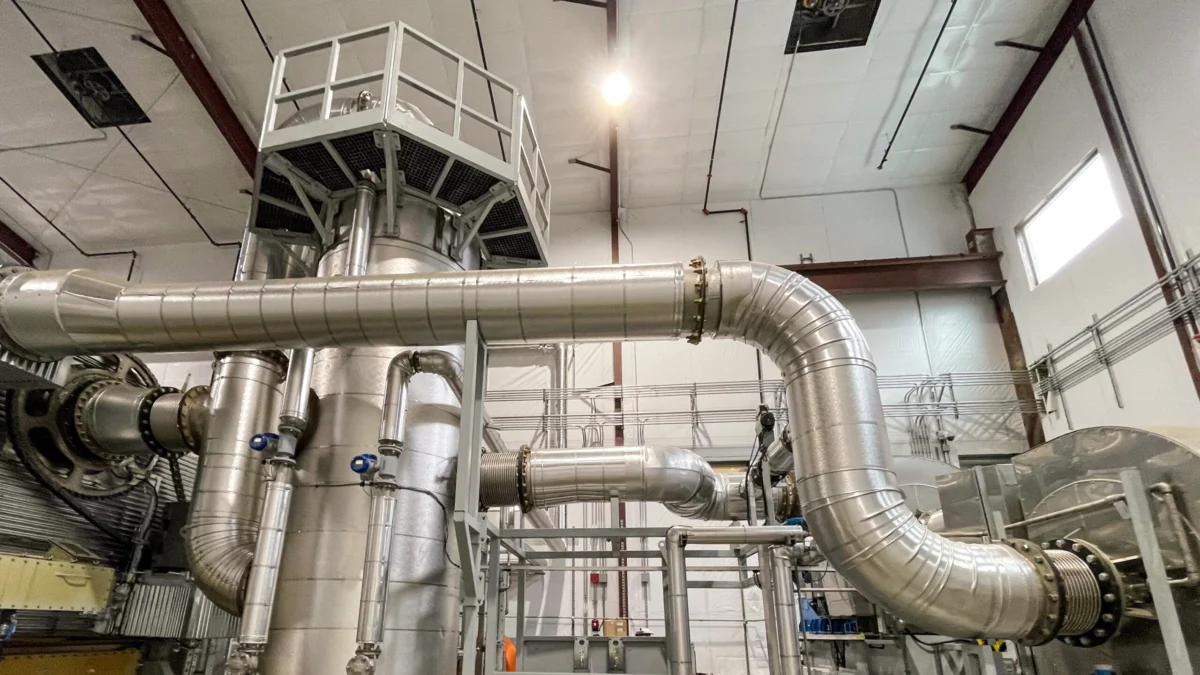
The daily technology newsletter, "The Download," presents a critical look at the burgeoning, and often misleading, conversation around perimenopause, while also highlighting China’s significant strides in artificial intelligence. This edition underscores a crucial point: despite increased openness about the years leading up to menopause, the discourse is increasingly clouded by misinformation. While it’s important to acknowledge and address the symptoms women experience during midlife, the newsletter cautions against unsubstantiated claims and unproven treatments often peddled by marketers. It emphasizes that not all midlife symptoms can be attributed to hormonal changes, urging a more evidence-based approach.
Beyond the perimenopause discussion, "The Download" reports on a potentially game-changing development in the global AI landscape: China’s latest AI leap. A Chinese startup has unveiled the world’s largest open AI model, a move that experts suggest significantly narrows the previously perceived AI gap between China and the United States. This development has already sent ripples through the tech industry, with AI and semiconductor stocks experiencing a downturn following the announcement. The implications are far-reaching, as this new open-source model directly competes with leading AI offerings from prominent companies like Anthropic and OpenAI. The article also notes the growing traction of Chinese alternatives to Nvidia’s high-performance GPUs, further indicating China’s accelerated progress in AI hardware. President Xi Jinping’s recent promotion of China as an AI partner for the developing world, coupled with the nation’s strategic bet on open-source AI development, signals a clear intent to not only catch up but to lead in this critical technological domain.
The newsletter also features a curated selection of "must-read" technology stories from around the web. These include the innovative monetization strategy of Trump Media, which is exploring instant access to "market-moving" social posts, potentially allowing the former president to profit directly from his statements. In a more cosmic vein, astronomers have identified an atmosphere on a nearby Earth-like exoplanet, marking a significant milestone in the search for extraterrestrial life and positioning it as a prime candidate for further investigation.
Further down the list, breakthroughs in medical technology are highlighted, such as a brain implant that has successfully restored feeling in a paralyzed hand, enabling the recipient to perform everyday tasks. This development is placed in context with China’s own progress in brain-chip technology, which has seen the approval of a world-first device.
Regulatory actions are also a key focus, with the European Union demanding that Google share search data and open up its Android platform to rival AI bots. This move aims to foster greater competition and prevent monopolistic practices in the digital ecosystem.

Privacy concerns are addressed through research revealing how period-tracking apps may be mishandling users’ sensitive health data, raising questions about data sharing and user consent. In the automotive sector, an investigation into a fatal Tesla crash in Texas suggests that the driver overrode the company’s Full Self-Driving (FSD) system by pressing the accelerator to its maximum, shedding light on the complexities of autonomous driving technology and user interaction.
On the military technology front, a novel stealth drone that spins at an incredibly high speed to achieve near-invisibility is discussed, though its creators acknowledge that its audibility remains a challenge. Scientific exploration continues with a space-station study that sheds light on why astronauts’ bodies deteriorate in microgravity, pinpointing disruptions in mitochondria and reduced protein production as key factors.
Finally, the newsletter touches upon a burgeoning trend in fashion and privacy: "adversarial clothing" designed to confuse facial recognition systems, suggesting that privacy may soon become a significant driver in consumer choices.
The edition is rounded out with a "Quote of the Day" from George Chen, who interprets Xi Jinping’s stance at the World Artificial Intelligence Conference as a declaration of China’s ambition to lead globally in both AI technology and its associated standards.
The "One More Thing" segment offers a glimpse into a futuristic solution for a pressing global challenge: transforming human and livestock waste into valuable agricultural nutrients. A new industrial facility in Seattle is pioneering this approach, safely treating waste while recycling essential nutrients, reframing waste products as invaluable resources for sustainable agriculture.
The newsletter concludes with "We can still have nice things," a section dedicated to lighter, more uplifting content. This includes a creative reimagining of soccer icons as Ghanaian movie posters, a breathtaking cosmic image from the James Webb Space Telescope, a comprehensive digital archive of Sir David Attenborough’s work, and an exploration of "desire paths" and their psychological and design implications.