isnaini azizah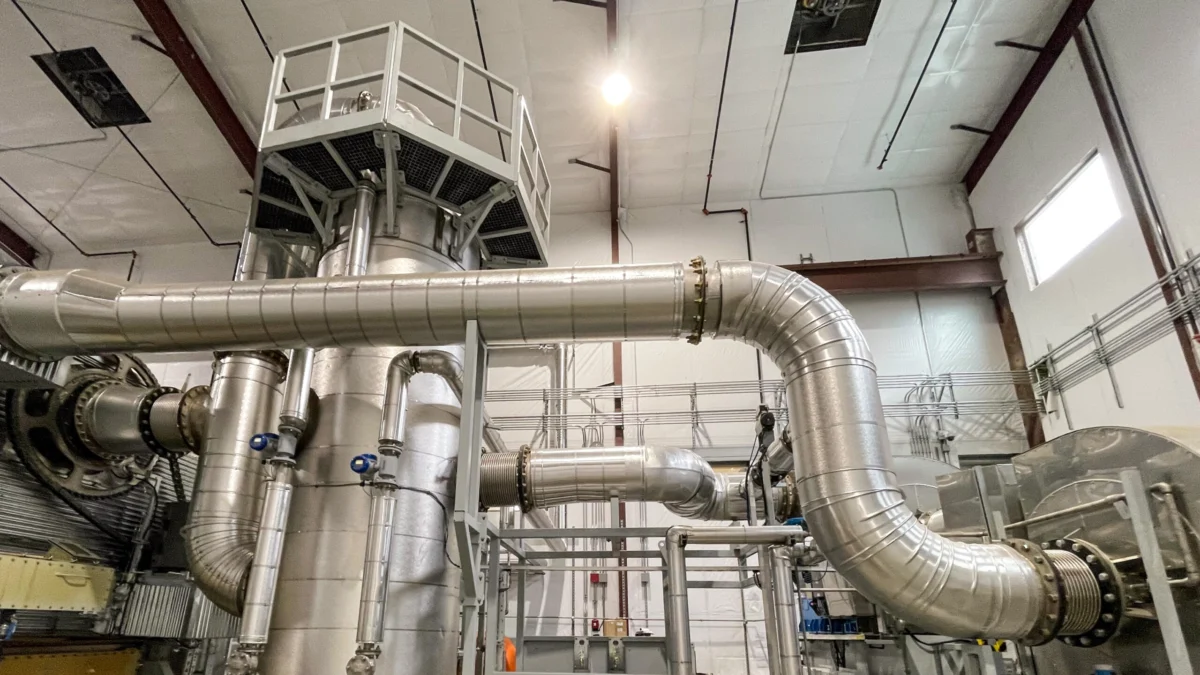
Perimenopause, the transitional phase leading up to menopause, is experiencing a surge in public discourse, amplified by media personalities and social media influencers. However, this increased visibility has unfortunately been accompanied by a significant rise in misinformation, leading to confusion and potentially misguided health decisions for many women. Despite popular claims, there is no definitive medical test to diagnose perimenopause, and while symptoms should not be ignored, many proposed treatments lack robust scientific backing. Furthermore, it’s crucial to recognize that not all midlife symptoms are solely attributable to hormonal fluctuations, underscoring the need for a nuanced and evidence-based approach to women’s health during this life stage. This article delves into the widespread hype and misleading narratives surrounding perimenopause, urging readers to approach the topic with a critical and informed perspective.
In parallel with the growing awareness around perimenopause, the global artificial intelligence landscape is witnessing a significant development from China, potentially narrowing the technological gap with the United States. A Chinese startup has unveiled the world’s largest open AI model, a move that has sent ripples through the tech industry, impacting AI and semiconductor stocks. This new model is seen as a direct competitor to established offerings from companies like Anthropic and OpenAI, signaling a new era of competition in the frontier AI space. The strategic emphasis on open-source AI by China is a key component of its broader ambition to lead in AI technology and set global standards, a vision articulated by President Xi Jinping. This push for AI leadership extends beyond technological development, with China actively promoting itself as an AI partner to the developing world, a stance that also raises questions about international security implications. The nation’s investment in AI extends to its domestic semiconductor industry, with Chinese alternatives to NVIDIA chips also gaining traction and projecting significant sales growth amidst soaring AI chip demand.
Beyond these two major narratives, "The Download" presents a curated selection of compelling technology news. Trump Media is exploring new revenue streams by offering instant access to "market-moving" social posts, potentially allowing the former president to profit directly from his statements, a move that has also drawn scrutiny regarding insider trading. In a breakthrough for astronomy, scientists have detected an atmosphere on a nearby Earth-like exoplanet, marking a significant step in the search for extraterrestrial life and making it a prime candidate for further investigation. Medical advancements continue to impress, with a brain implant successfully restoring feeling in a paralyzed hand, enabling the recipient to perform daily tasks like feeding and drinking. This development holds promise for individuals with spinal cord injuries and echoes China’s own progress in approving brain chip technology. The European Union is also asserting its regulatory power, mandating that Google share search data and open its Android platform to rival AI bots, aiming to foster greater competition and innovation.

Privacy concerns are also highlighted, with new research revealing that period tracking apps may be inadvertently sharing sensitive user health data. In the automotive sector, investigators suggest that the driver in a fatal Tesla crash in Texas overrode the company’s Full Self-Driving (FSD) system by exceeding 100% accelerator pedal input, a critical detail in understanding the incident. Meanwhile, innovative defense technology is emerging, with a new stealth drone capable of spinning at extreme speeds, theoretically making it difficult to detect, though its audibility remains a point of acknowledgement from its creators. Scientific research into the effects of microgravity on the human body has yielded insights into why astronauts’ bodies waste away, with a space-station study suggesting that microgravity disrupts mitochondria, leading to reduced protein production. Finally, "adversarial clothing," designed to confuse facial recognition systems, is gaining popularity, suggesting that privacy may become a significant trend in fashion.
The commentary on China’s AI ambitions is further underscored by George Chen, chair in digital practice at The Asia Group consultancy, who observes, "Xi’s message is clear: China is not going to follow anyone on both AI technology and ‘standards.’ Instead, China is going to lead the world in both aspects." This sentiment reflects China’s assertive stance on the global stage, aiming for leadership in the rapidly evolving AI sector.
In a fascinating "One More Thing" segment, the potential of human waste as a resource is explored. A new industrial facility in Seattle is pioneering the safe treatment of fecal waste from both humans and livestock, while simultaneously recycling vital nutrients crucial for agriculture. This initiative is part of a broader movement to reframe feces and urine not as waste products, but as valuable natural resources for reuse. Several companies are demonstrating how to scale up these transformations using energy-efficient technologies, offering a glimpse into a future where waste is transformed into agricultural solutions, addressing nutrient scarcity in farmlands.
The newsletter concludes with "We can still have nice things," a section dedicated to lighter, more uplifting content. This includes soccer icons receiving the distinctive Ghanaian movie poster treatment, a breathtaking cosmic construction project featured as the James Webb Space Telescope’s Picture of the Month, a comprehensive compilation of Sir David Attenborough’s work to celebrate his 100th birthday, and an exploration of "desire paths" – the informal trails created by pedestrians – offering insights into psychology and design.