isnaini azizah
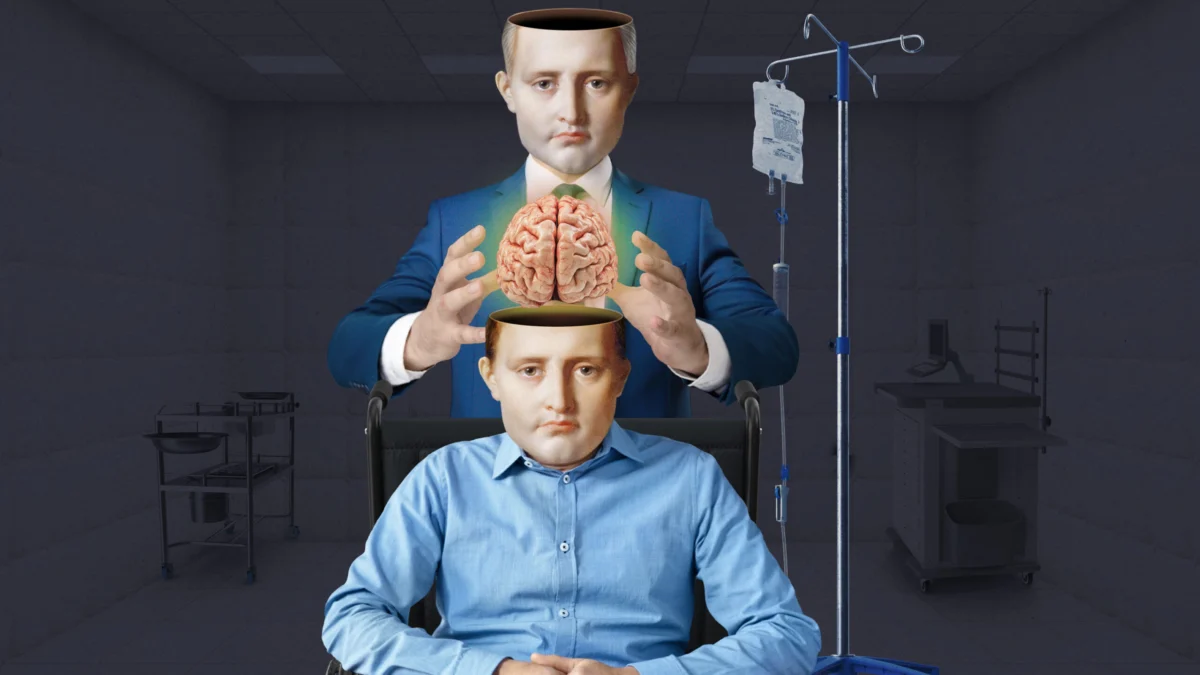
The remarkable ability of children to grasp complex language with significantly less data than required by advanced AI systems presents a profound enigma for cognitive science and a critical challenge for artificial intelligence development. This stark contrast, termed the "data efficiency gap," highlights how young minds can achieve linguistic mastery with an astonishingly small number of examples, far fewer than the vast datasets that currently fuel even the most sophisticated AI models. Scientists are keenly interested in reverse-engineering this innate learning process, hoping to unlock the secrets behind children’s efficient learning to create more data-efficient AI. This pursuit not only aims to enhance AI capabilities but also holds the potential to shed light on enduring mysteries surrounding language acquisition and the intricate development of the child’s mind. Researchers are actively investigating methods to bridge this significant data gap, exploring novel approaches to AI learning that mimic the intuitive and sample-efficient strategies employed by children.
The burgeoning field of space tourism is rapidly transforming the landscape of luxury experiences, with pioneers like Roman Chiporukha at the forefront of this celestial frontier. Chiporukha, already an established figure in luxury lifestyle management, received a pivotal call in 2018 from Axiom Space, an organization seeking affluent individuals willing to embark on the first entirely private mission to the International Space Station (ISS). This opportunity, priced at $50 million per citizen explorer for a mission scheduled for April 2022, underscored a paradigm shift: space was no longer an inaccessible void but a burgeoning market for exclusive experiences. Chiporukha successfully facilitated the participation of a private astronaut, a feat that propelled him to launch SpaceVIP in 2021. This new venture is dedicated to curating extraordinary cosmic encounters that seamlessly blend cultural immersion, scientific discovery, and purposeful engagement, effectively positioning him as the potential "Expedia of the cosmos."
This issue delves deeply into the world of children and their profound impact on technology and society. As a special feature, this edition of the magazine is entirely dedicated to exploring the multifaceted relationship between children and the technological advancements shaping our future. Readers are encouraged to subscribe now to ensure they receive their copy of this insightful issue as soon as it becomes available.
The following curated selection of articles offers a comprehensive look at the most compelling, fascinating, and at times, alarming stories shaping the technology landscape today:
1. Political Opposition Mounts Against AI Data Centers: Ahead of crucial midterm elections, a growing bipartisan consensus is emerging against the proliferation of AI data centers, signaling a significant shift in political discourse. This backlash is increasingly manifesting on the campaign trail, with both Republican and Democratic parties expressing concerns. Republicans, in particular, have demonstrated a sharp pivot against these facilities, while prominent figures like the governor of Texas have declared that data centers have "dug their own grave" due to environmental and resource-related issues. This opposition transcends party lines, fueled by a complex interplay of factors including energy consumption, water usage, and the visual impact of these massive infrastructure projects. MIT Technology Review offers an in-depth analysis of the multifaceted reasons behind this growing animosity towards data centers, even as their importance to AI development grows.
2. Chinese Humanoid Robots Achieve Remarkable Athletic Feats: In a groundbreaking display of robotic prowess, Chinese-built humanoid robots have shattered Usain Bolt’s 100-meter world record, clocking an astonishing 9.39 seconds at the World Humanoid Robot Games. This remarkable achievement underscores the rapid advancements in robotics, with another robot from the same manufacturer, X-Humanoid, also setting a new high jump record. While these athletic milestones are impressive, the article acknowledges that replicating such feats in real-world, intricate tasks, such as performing complex manual labor, still presents significant challenges for these sophisticated machines. Concurrently, a fascinating trend has emerged where gig workers are playing a crucial role in training these humanoid robots from the comfort of their homes, highlighting a new dimension in the human-robot collaboration ecosystem.
3. Uber Faces Substantial Fine Over Automated Driver Suspensions: Dutch regulators have imposed a hefty fine of nearly $1 billion on Uber, citing the company’s practice of automatically suspending drivers without adequate human review. This significant penalty, the second-largest issued to date under the European Union’s General Data Protection Regulation (GDPR), underscores the critical importance of due process and human oversight in automated decision-making systems that impact individuals’ livelihoods. The ruling highlights concerns about algorithmic fairness and the potential for automated systems to unjustly penalize individuals without a clear avenue for appeal.
4. New Zealand Considers Social Media Ban for Under-16s: In an effort to protect its youth from the potential harms of social media, New Zealand is proposing legislation to ban individuals under the age of 16 from accessing these platforms. This move places New Zealand in line with a growing number of countries grappling with the societal impact of social media on young people. However, the proposed bill faces potential hurdles, with opposition parties indicating they may block its passage, highlighting the ongoing debate surrounding digital regulation and parental rights.
5. TikTok Agrees to $400 Million Settlement in US Child Privacy Case: TikTok has reached a $400 million settlement in a United States child privacy case, addressing allegations that the platform illegally collected information from minors. The U.S. Department of Justice stated that TikTok engaged in the unlawful collection of children’s data, leading to this substantial financial penalty. This settlement reflects a growing global concern regarding the privacy of young users online and the responsibility of social media companies to safeguard their data.
6. China Initiates Massive Tesla Recall Over Door Safety Concerns: China has initiated its largest-ever car recall, encompassing nearly 3 million Tesla vehicles due to concerns regarding the safety of their door handles. This extensive recall, affecting approximately 4.3 million vehicles in total, underscores the stringent automotive safety regulations in China and the potential for widespread impact when safety issues arise with globally recognized brands.

7. Dr. Dre and Jimmy Iovine Champion AI in Music Creation: Music industry titans Dr. Dre and Jimmy Iovine have voiced strong support for the integration of Artificial Intelligence in music production, drawing parallels between current apprehension surrounding AI and past resistance to other technological innovations. They believe AI offers significant potential to enhance creativity and accessibility within the music industry. This perspective is further exemplified by a case where AI enabled a musician suffering from ALS to regain their ability to sing, showcasing the transformative power of AI in artistic expression.
8. Taiwan Indicts Nine Over Alleged Illegal AI Exports to China: Taiwan has formally indicted nine individuals suspected of illegally exporting advanced AI technology to China. Among those indicted are employees associated with prominent tech companies like Nvidia and Super Micro, indicating potential involvement of major players in the alleged illicit transfer of sensitive AI intellectual property. This development highlights the ongoing geopolitical tensions surrounding advanced technology and the efforts to prevent its diversion to rival nations.
9. NASA’s New Telescope Promises Unprecedented Planetary Discoveries: NASA’s forthcoming Nancy Grace Roman Space Telescope is poised to revolutionize our understanding of the cosmos, with the potential to discover an estimated 200,000 new planets. Beyond exoplanet detection, the telescope is also expected to provide unprecedented insights into the nature of dark matter. Furthermore, its advanced capabilities will extend to identifying potentially hazardous "killer asteroids," bolstering planetary defense efforts.
10. Plastic Bottles Transformed into Edible Cookies via Engineered Yeast: In a remarkable feat of biotechnology, scientists have engineered yeast capable of converting plastic bottles into edible, vanilla-flavored cookies. This innovative process utilizes genetically modified microorganisms to break down plastic waste and synthesize edible compounds, offering a potential solution for plastic pollution and a novel approach to food production.
Quote of the Day:
"Credit where credit is due: the tech sector has managed to unite a deeply divided country at a time of maximal partisanship."
Max Steele, Senior Director of Communications at Everytown, shared this observation on X in response to a recent poll indicating a significant drop in public support for data centers across the United States, highlighting the unexpected unifying effect of widespread opposition to this specific technological infrastructure.
One More Thing:
Next-Generation Nuclear Reactors: Breaking Free from 20th-Century Constraints
Amidst escalating concerns about climate change and the imperative for energy independence, demand for nuclear power has surged. However, the traditional model of building nuclear power plants is notoriously expensive and time-consuming, posing a significant hurdle to widespread adoption. This has spurred innovation in the development of next-generation nuclear reactors that aim to break free from the limitations of 20th-century blueprints, offering more efficient, safer, and potentially more cost-effective solutions for a sustainable energy future. These advanced designs explore novel reactor concepts, materials, and operational strategies to address the challenges of cost, construction time, and waste management, potentially paving the way for a renewed era of nuclear energy.