Faris Adani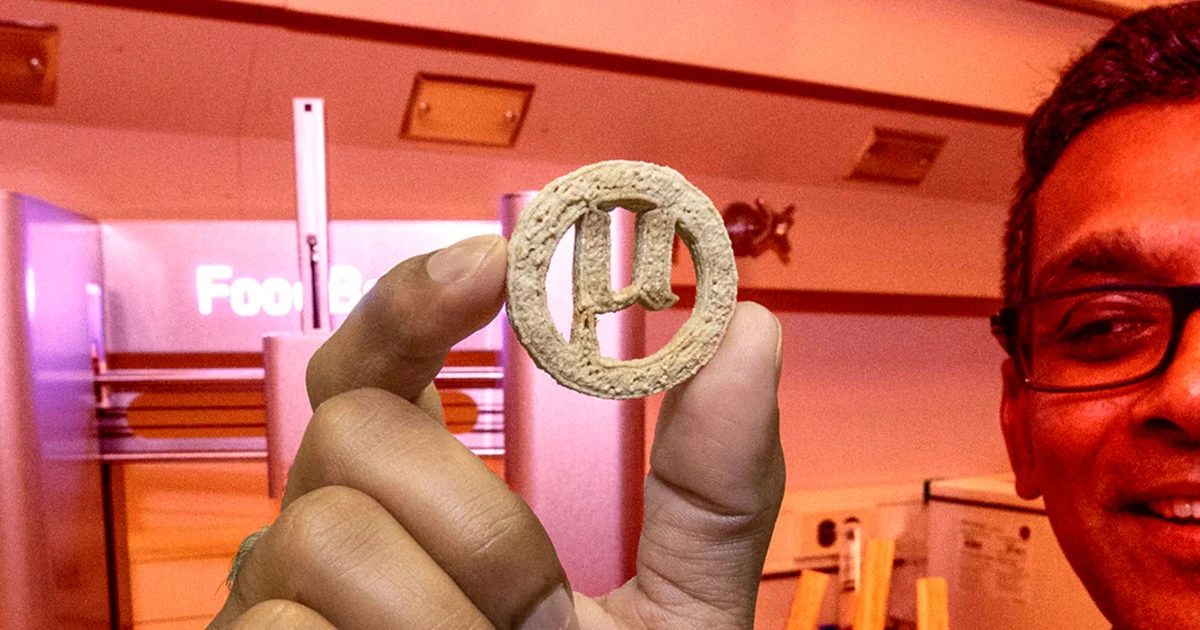
In a groundbreaking development that simultaneously offers a glimmer of hope and a stark reflection on humanity’s environmental trajectory, researchers at Southern Illinois University Carbondale (SIUC) have successfully engineered edible cookies from plastic waste, presenting a potential, albeit unsettling, solution to two of the planet’s most pressing crises: rampant plastic pollution and looming food insecurity. This innovative feat, unveiled at the American Chemical Society meeting in Chicago, leverages the power of specially modified yeast to transmute discarded plastic and agricultural byproducts into palatable, nutritious ingredients, which are then precisely shaped using 3D printing technology.
The genesis of this radical culinary invention stems from an increasingly dire global outlook. Predictions suggest that as climate change intensifies and human populations swell, vast swathes of arable land could become infertile, rendering traditional agriculture unsustainable. In such a grim future, the proposition of consuming our own waste – specifically, the mountains of plastic we’ve accumulated – moves from dystopian fantasy to a desperate necessity. The SIUC team, led by microbiologist Lahiru Jayakody, has demonstrated that this grim reality might be mitigated by ingeniously harnessing biotechnology.
At the heart of their innovation lies a sophisticated process involving CRISPR gene-editing technology. This powerful tool was used to reprogram specific yeast strains, endowing them with the extraordinary ability to metabolize polyethylene terephthalate (PET). PET, a ubiquitous polymer found in everything from single-use water bottles and food packaging to synthetic fabrics, represents a significant portion of global plastic waste due to its widespread use and slow degradation rate. Critically, PET is rich in carbon, a fundamental building block for organic life, which the engineered yeast can effectively break down and re-purpose.
Before the yeast can begin its transformative work, the PET plastic undergoes a crucial preparatory step: oxidative hydrothermal dissolution. This environmentally conscious process involves subjecting the plastic to heat, water, and oxygen, breaking it down into smaller, more manageable molecular fragments that are readily digestible by the microbes. Unlike harsh chemical recycling methods that often require hazardous solvents, this approach is touted for its minimal environmental footprint. Once the plastic is fragmented, the engineered yeast strains are introduced, initiating a biochemical cascade that converts these synthetic components, along with agricultural byproducts like discarded plant stalks, into a nutrient-rich slurry. This slurry is a complex mix of proteins, fats, and organic acids – the very building blocks of food.
The ingenuity doesn’t stop at the microbial transformation. To enhance palatability and nutritional value, this plastic-derived slurry is combined with other edible components, including fiber, starch, and a sweetener. One particular triumph of the SIUC team involved engineering a yeast strain capable of producing natural vanilla flavorings from plant biomass, promising to infuse the future’s sustainable snacks with a familiar and comforting taste. The resulting mixture is then fed into a 3D food printer, a technology rapidly advancing in its capacity for precision and customization. For their initial demonstration, the researchers chose to print their creations in the shape of the Greek letter μ (mu), christening them "μBites" – or micro bites.
While the μBites have yet to undergo official taste tests – a step awaiting university approval – Jayakody expresses confidence in their sensory appeal. "I think it has a pleasant, appealing aroma," he told New Scientist. "And it will taste good, too. We’ve not tasted it, but it smells good – that’s for sure – like a real cookie." This anticipation of a familiar, comforting taste from an unconventional source highlights the psychological hurdle inherent in consuming waste-derived foods, a concept famously explored in the unsettling prophetic vision of David Cronenberg’s film Crimes of the Future, which now seems less like science fiction and more like a potential roadmap for humanity’s dietary future.
The potential ramifications of this research are profound. On one hand, it offers a novel pathway to tackle the staggering scale of plastic pollution. Annually, humanity generates over 400 million tons of plastic waste, a significant portion of which ends up in landfills, incinerators, or polluting oceans and terrestrial ecosystems. Microplastics, the tiny fragments resulting from plastic degradation, have infiltrated every corner of the planet, from the deepest oceans to the highest mountains, and are increasingly found within human bodies, raising significant health concerns. A technology that can transform this persistent pollutant into a resource could drastically alter our relationship with waste, converting an environmental liability into a life-sustaining asset.
On the other hand, the project directly addresses the looming specter of global food insecurity. Factors such as climate change-induced droughts and floods, soil degradation, geopolitical conflicts, and burgeoning populations are placing immense pressure on conventional food systems. The ability to create nutrient-dense food sources from readily available, non-traditional inputs like plastic and agricultural waste could provide a crucial lifeline, particularly in regions most vulnerable to food shortages or in extreme environments where traditional farming is impossible.
The collaboration with NASA’s Deep Space Food Challenge further underscores the practical applications of this research. Sustaining astronauts on extended missions to distant worlds like Mars presents immense logistical challenges, not least of which is providing a continuous, diverse, and nutritious food supply. Traditional food storage is limited by mass, volume, and shelf-life constraints. A system that can recycle waste – including plastic packaging and human biological waste, in more advanced iterations – into fresh food on demand would be revolutionary for long-duration space travel, offering self-sufficiency and reducing reliance on costly resupply missions. Astronauts could, in essence, "print" their meals, tailored to specific nutritional needs and even psychological comfort, making the journey to the Red Planet more feasible and enjoyable.
However, the path from laboratory breakthrough to widespread implementation is fraught with challenges. The current cost of producing these "μBites" is prohibitively high, estimated at around $60 per kilogram. This figure, reported by The Guardian, makes the cookies an expensive novelty rather than a commercially viable solution for mass consumption. Scaling up the process, optimizing efficiency, and reducing production costs will be critical for any broader application.
Moreover, the scientific community holds a healthy skepticism regarding the technology’s ultimate impact on the plastic waste crisis. Jason Hallett, a professor at Imperial College London, voiced concerns to New Scientist, stating, "We produce 400 million tons a year of plastic waste. You’re not going to turn it all into cookies." He emphasized that while the innovation is intriguing, it’s unlikely to be "a solution to the plastic-waste crisis" on a global scale due to the sheer volume of waste and the inherent limitations of such a conversion process. Hallett’s critique highlights a crucial point: while ingenious, such solutions must be viewed as part of a multi-pronged approach to environmental stewardship, rather than a silver bullet that absolves us of the need for systemic change in production and consumption habits.
Beyond the technical and economic hurdles, there are significant regulatory and societal acceptance challenges. Novel foods, especially those derived from unconventional sources like plastic, face stringent approval processes from food safety authorities worldwide. Comprehensive testing will be required to ensure that no harmful residues or byproducts remain in the final product and that the nutritional content is consistent and safe for human consumption. Public perception and consumer willingness to embrace such foods will also play a pivotal role. The psychological barrier of eating something that was once considered trash, no matter how scientifically pure, could be substantial.
Despite these considerable obstacles, the SIUC team’s work represents a significant leap in bio-innovation. It forces us to confront uncomfortable questions about our future and our responsibility towards the planet we inhabit. The ability to transform synthetic pollutants into sustenance is a testament to human ingenuity, born from necessity. While we may not be lining up to buy plastic-derived cookies at our local grocery stores anytime soon, this research opens doors to entirely new paradigms of resource management, waste valorization, and sustainable food production. It’s a compelling vision, offering a pathway to not just survive, but perhaps even thrive, in a world grappling with the environmental consequences of its own progress, prompting us to reconsider what exactly constitutes "food" in the not-so-distant future.