Faris Adani
In an unprecedented display of corporate deference to political authority, the titans of Silicon Valley have eagerly adopted President Donald Trump’s idiosyncratic directive to rename “Artificial Intelligence” as “Super Intelligence,” or simply “SI.” This linguistic pivot, mandated by the White House and enforced with a threatened ban on the original term, underscores a disturbing trend of tech giants prioritizing political alignment over established scientific terminology and raising profound questions about the independence and integrity of the technology sector. The swift and widespread compliance, particularly from companies that once championed innovation free from governmental dictate, marks a significant moment in the ongoing power struggle between political leadership and the rapidly evolving tech landscape.
The saga began subtly last month when President Trump, leveraging his platform on Truth Social, initiated a poll asking his supporters to propose a "better name" for artificial intelligence. What seemed like a casual query quickly escalated into a definitive policy shift. Days later, addressing the United Nations General Assembly, Trump declared that all U.S. government documents would abandon the term "AI" in favor of "SI." This was swiftly followed by an executive order making the decree official, and by late October 2026, the rhetoric intensified further. Reuters reported Trump stating he would be "officially BANNING" the term AI in government documents and "everything else," signaling an unambiguous intent to enforce the semantic change across all sectors.
From a technical standpoint, the term "Super Intelligence" typically refers to hypothetical AI systems that vastly surpass human cognitive abilities across virtually all domains. It represents a theoretical future state of AI, not the current or even near-future reality of most AI applications. Trump’s decree, however, treats "Super Intelligence" as a blanket replacement for all forms of AI, from simple chatbots to advanced machine learning algorithms. This indiscriminate rebranding risks obfuscating the nuanced stages of AI development, potentially confusing the public, and distorting scientific discourse by conflating nascent technologies with far-off, theoretical capabilities. Critics within the scientific community have quietly expressed dismay, viewing the move as an arbitrary political interference in a field that thrives on precise terminology.
Despite the technical incongruity, a comprehensive analysis by CNBC revealed that major tech players, including Microsoft, SpaceX, Meta, Tesla, and IBM, have already begun incorporating "Super Intelligence" or its abbreviation "SI" into their official documents and communications this earnings season. The extent of compliance is striking: one SpaceX filing reportedly used the term "SI" 85 times, indicating a concerted effort to align with the new nomenclature. Microsoft, a behemoth in enterprise software and cloud computing, notably heralded the advent of a "Super Intelligence era" in its annual report letter. CEO Satya Nadella’s statement reflected this shift: "For Microsoft, the central question as we enter this Super Intelligence era is not just how big the opportunity becomes, but how we deliver the real-world outcomes that every country, community, and company demands and deserves." This statement, while strategically echoing the new terminology, also subtly attempts to reframe it within Microsoft’s broader mission of delivering tangible benefits, perhaps to mitigate the perception of pure capitulation.
The wholesale embrace of "SI" by tech leadership encapsulates what many observers have dubbed the "extraordinary toadying" that has characterized their relationship with the Trump administration since its return to the Oval Office. This phenomenon is particularly notable given that some of these tech leaders were once perceived as adversaries of Trump’s policies or public persona. The motivations behind this compliance are manifold and complex, ranging from a desire to secure favorable regulatory environments and avoid potential antitrust scrutiny to the pursuit of lucrative government contracts. For companies heavily reliant on global markets and governmental goodwill, direct defiance of the executive branch is often deemed too risky, making strategic linguistic alignment a pragmatic, albeit ethically dubious, choice.
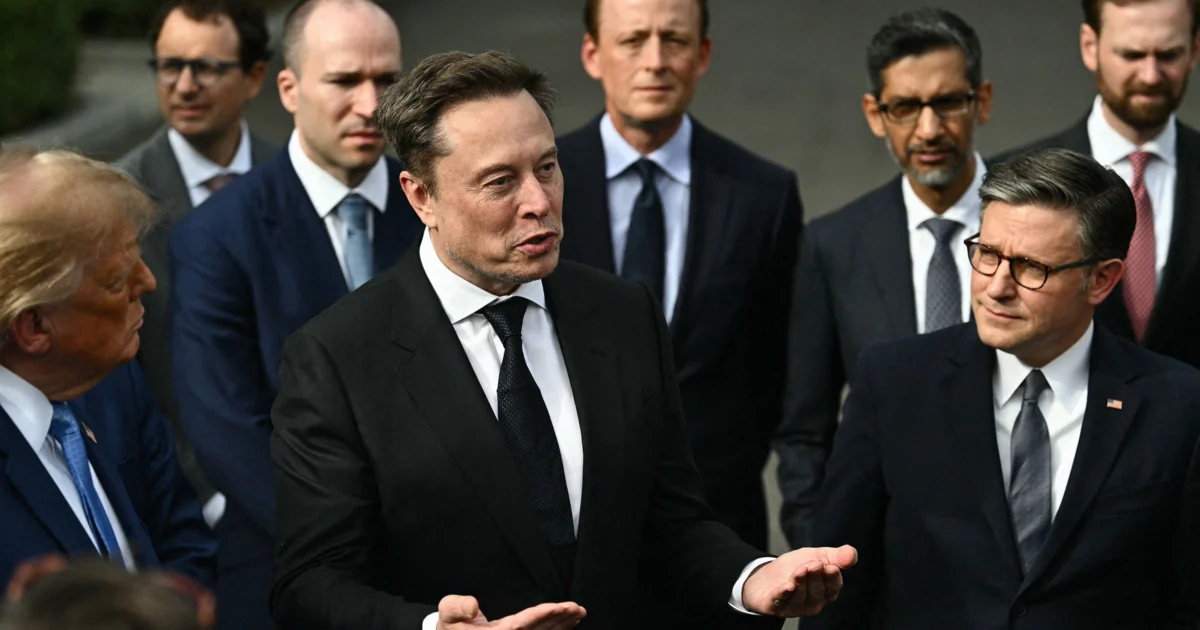
Among the most vocal and enthusiastic adopters of the new moniker is Elon Musk, CEO of SpaceX and Tesla, whose close ties to the administration are well-documented. Musk has not only insisted on using "SI" in nearly all his public appearances and posts—occasionally with slip-ups that quickly corrected—but also rebranded his AI company, SpaceXAI, as SpaceXSI. His commitment to the new terminology reached a peculiar peak when he publicly admitted to struggling with "SI psychosis," a statement that blurred the lines between genuine belief, self-deprecating humor, and a pointed acknowledgment of the pervasive influence of the President’s directive. Musk’s zealous adoption highlights a broader trend among certain tech figures who find ideological alignment with Trump, leveraging their proximity to power for mutual benefit.
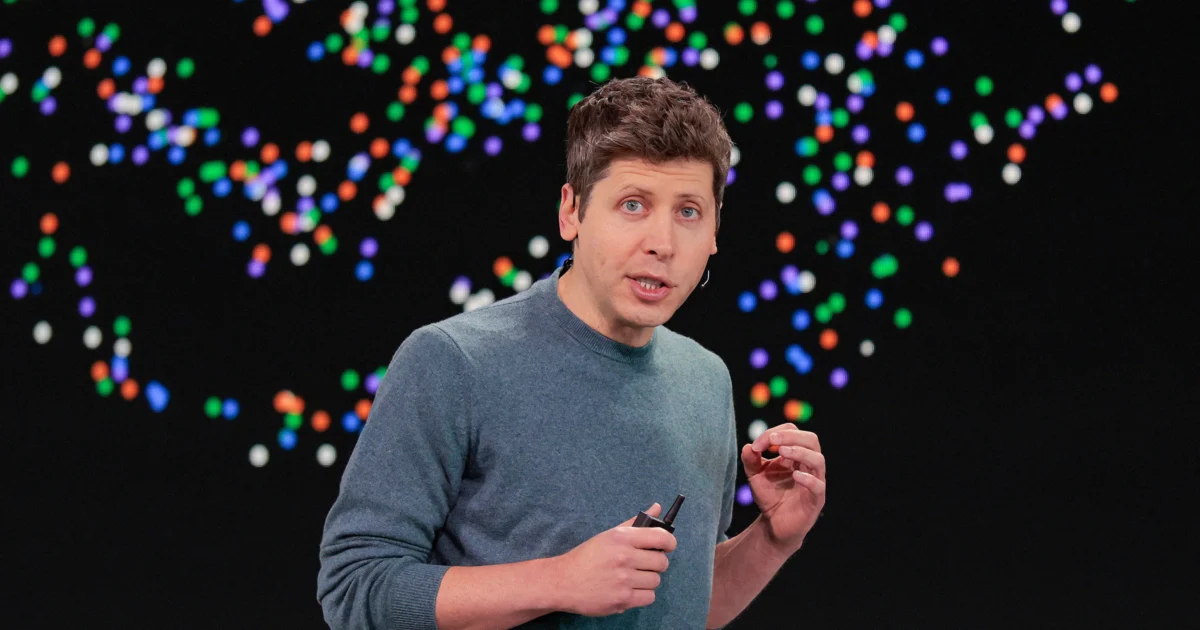
In contrast, OpenAI CEO Sam Altman, a pivotal figure in the AI landscape, has adopted a more nuanced stance. While he acknowledged "Super Intelligence" as a "more accurate" term than artificial intelligence, suggesting a nod to the theoretical potential of advanced AI, he firmly rejected the idea of rebranding OpenAI as OpenSI. Altman’s skepticism regarding the rebrand’s ultimate usefulness was evident in his remark to Politico: "I think people are going to keep calling it AI." This position reflects a strategic tightrope walk: acknowledging the administration’s preferred terminology to avoid direct confrontation, while simultaneously signaling a commitment to established industry parlance and maintaining a degree of intellectual independence. Altman’s approach indicates a recognition of the political reality without fully abandoning the scientific consensus or the brand identity of his organization.
The implications of this top-down linguistic mandate extend far beyond mere semantics. It sets a troubling precedent for political interference in scientific and technological discourse, potentially eroding the independence of research and development. If a president can unilaterally redefine a fundamental term in a rapidly advancing field, it raises concerns about future attempts to dictate scientific conclusions, suppress inconvenient truths, or promote politically expedient narratives. Such actions risk isolating U.S. researchers and companies from the global scientific community, where "Artificial Intelligence" remains the universally accepted term. International collaboration, crucial for addressing complex global challenges like AI safety and ethics, could be hampered by diverging terminologies and politically driven definitions.
Moreover, the "toadying" observed among tech CEOs reveals a vulnerability within the industry. Despite their immense wealth and influence, these leaders appear susceptible to political pressure, willing to compromise on intellectual integrity for the sake of maintaining access and avoiding potential governmental disfavor. This dynamic raises questions about the long-term ethical responsibilities of tech companies and their leaders, particularly as their technologies become increasingly intertwined with critical national infrastructure and societal functions. The episode serves as a stark reminder that even the most innovative and disruptive industries are not immune to the gravitational pull of political power.
As the "Super Intelligence era" — or "SI era" — purportedly dawns, the true impact of this rebranding will unfold. Will the public genuinely adopt the new term, or will it remain a superficial veneer applied by corporate communications departments? Will this linguistic shift affect the public’s understanding of AI, potentially leading to inflated expectations or misplaced fears? The episode surrounding Trump’s "Super Intelligence" decree stands as a significant marker in the complex and often contentious relationship between innovation, governance, and the pursuit of power, compelling the tech industry to confront its own ethical boundaries in the face of political expediency.