anjir abdul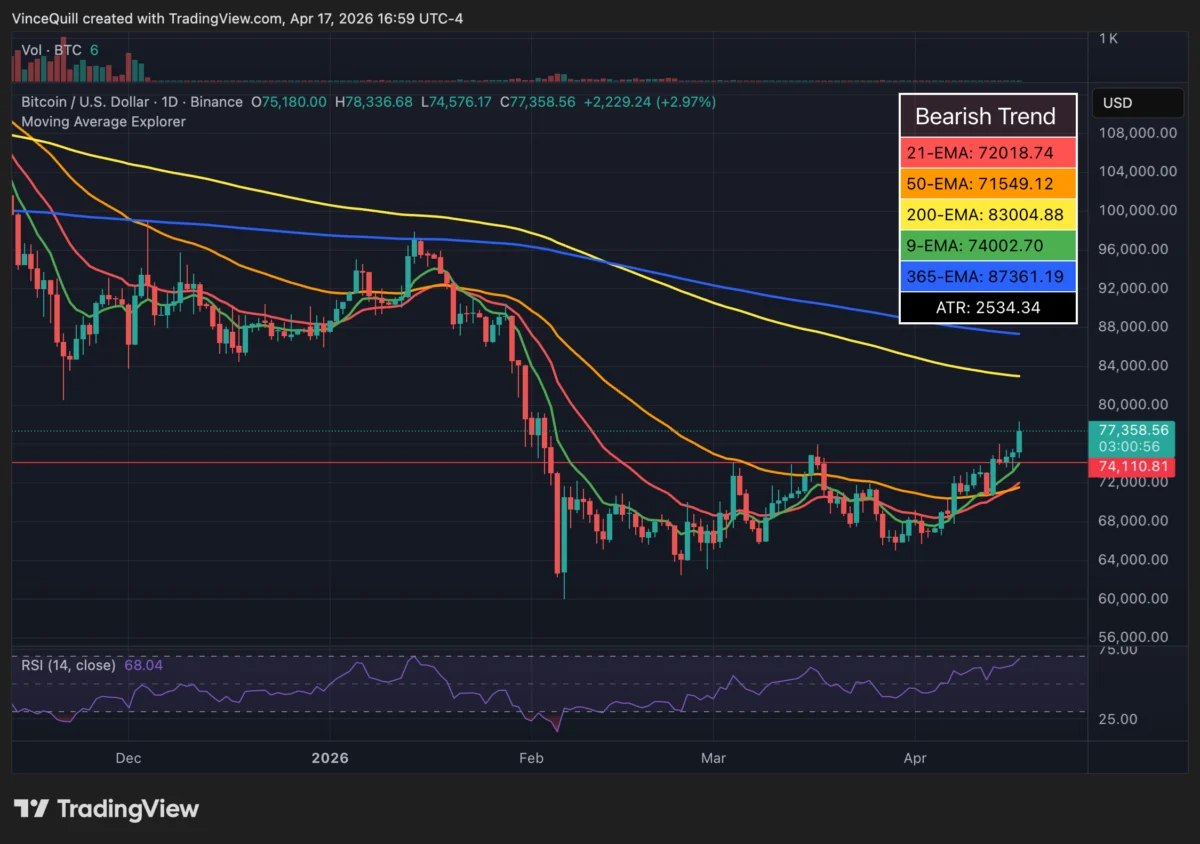
Traders on the decentralized prediction market platform Polymarket currently assign a 73% probability to the Strait of Hormuz returning to normal traffic by May 31, 2026, reflecting a complex interplay of recent geopolitical developments and lingering skepticism regarding the stability of a fragile ceasefire. This latest assessment comes after a period of significant volatility in the market’s odds, mirroring the fluctuating hopes and concerns surrounding the critical maritime chokepoint.
Polymarket, a blockchain-based platform, allows users to bet on the outcome of future real-world events using cryptocurrency, with the market’s collective odds serving as a real-time aggregate of public sentiment and informed opinion. These markets gain particular relevance during periods of geopolitical uncertainty, as they can provide a less biased and more dynamic indicator of expectations compared to traditional polling or expert analyses, which may be slower to react or influenced by institutional biases. The immediate spike in odds on Polymarket to 82% on Friday, following news of a temporary reopening, showcased the platform’s ability to rapidly integrate new information into its predictions, before subsequently settling back to 73% as the nuances of the situation became clearer.
The Strait of Hormuz is not merely a body of water; it is arguably the world’s most strategically vital maritime chokepoint, connecting the oil-rich Persian Gulf with the Arabian Sea and beyond. Approximately one-fifth of the world’s total petroleum consumption, and roughly one-third of the world’s liquefied natural gas (LNG) passes through this narrow 21-mile wide passage daily. Any disruption, closure, or even the threat of disruption in the Strait sends immediate shockwaves across global energy markets, impacting oil and gas prices, shipping costs, and global supply chains. Historically, Iran, situated along the northern coast of the Strait, has often used its strategic position as leverage in its ongoing disputes with Western powers, particularly the United States, frequently threatening to close the passage in response to sanctions or military provocations.
The recent shift in Polymarket’s odds was directly triggered by an announcement from Iranian Foreign Minister Seyed Abbas Araghchi, who confirmed that the Strait of Hormuz had been temporarily opened as part of a newly negotiated ceasefire deal. This development followed a period of intense conflict and heightened tensions in the region, which had previously led to disruptions and concerns about the Strait’s navigability. Araghchi’s statement, disseminated via an X (formerly Twitter) post, declared, "The passage for all commercial vessels through the Strait of Hormuz is declared completely open for the remaining period of the ceasefire, on the coordinated route as already announced by the Ports and Maritime Organization of the Islamic Republic of Iran." This official communication provided a strong signal to global markets that a crucial bottleneck for international trade was, at least for the time being, accessible.

The immediate reaction on Polymarket was a surge in confidence, pushing the odds of a return to normal traffic by May 31 to an intraday high of 82%. This reflects the market’s initial optimism about the ceasefire’s potential to de-escalate tensions and restore stability. However, this optimism was tempered shortly thereafter, with the odds receding to the current 73%. This retraction suggests that while the opening is a positive step, traders are factoring in the inherent fragility of the truce and the complex, unresolved issues underpinning the US-Iran conflict. The term "temporary" in Araghchi’s statement, coupled with the stipulation of "the remaining period of the ceasefire," implies that the situation remains contingent and could revert if the ceasefire breaks down or if a more permanent agreement isn’t reached. Furthermore, the odds for the Strait returning to normal activity by the end of April were significantly lower at just 40%, highlighting the market’s nuanced view on the short-term versus slightly longer-term prospects for sustained normalcy. "Normal traffic" encompasses more than just an open passage; it implies security, predictable transit, and the absence of prohibitive insurance premiums or surcharges that typically accompany high-risk zones.
The conflict in Iran and the subsequent, albeit temporary, resolution regarding the Strait of Hormuz had profound ripple effects across global financial markets. Bitcoin (BTC), often seen by some as a digital safe haven or an uncorrelated asset, reacted positively to the news. The price of Bitcoin surged on Friday, briefly touching $78,000 before settling around $77,358 at the time of publication. This upward movement suggests that a de-escalation of geopolitical tensions, particularly those impacting critical global supply chains like oil, can foster a "risk-on" sentiment in broader markets, from which crypto assets often benefit. In times of heightened uncertainty, traditional financial markets typically experience volatility, with investors seeking safety in assets like gold or government bonds. The reopening of the Strait, even temporarily, reduced immediate supply-side fears, thereby alleviating some pressure on energy prices and injecting a measure of stability that allowed risk assets, including Bitcoin, to rally.
Beyond cryptocurrency, the impact on traditional energy markets was immediate and significant. The threat of a closed Hormuz Strait typically sends crude oil prices soaring due to fears of supply disruption and a geopolitical risk premium. The news of its reopening would likely have exerted downward pressure on oil prices, though the "fragile" nature of the truce means that a substantial and sustained drop might be elusive until a more definitive resolution is achieved. Global shipping and insurance industries also closely monitor developments in the Strait, as increased risks translate directly into higher freight costs and insurance premiums, ultimately impacting consumer prices for a wide range of goods.
However, the prevailing sentiment among analysts remains cautious. Crypto market analyst Nic Puckrin, for instance, described the ceasefire between the US and Iran as "fragile," emphasizing that core issues driving the protracted conflict remain largely unresolved. These fundamental disagreements include Iran’s nuclear program, its ballistic missile development, its support for regional proxy groups, and the continued presence of US sanctions and military forces in the region. Without a comprehensive resolution to these deeply entrenched issues, any truce is inherently vulnerable to collapse, which could quickly re-ignite tensions and once again threaten the Strait’s navigability.

The implications of this ongoing geopolitical uncertainty are projected to cast a long shadow over financial markets for much of 2026. Puckrin warned that such instability could push back any potential interest rate cuts by central banks, possibly to Q3 2026 at the earliest, or even negate them entirely for the year. The rationale behind this forecast is that persistent geopolitical risks, particularly those affecting energy prices, can fuel inflation and create an environment of economic uncertainty, making central banks hesitant to ease monetary policy. For Bitcoin to reclaim the coveted $90,000 level, Puckrin outlined several critical prerequisites: a definitive end to geopolitical tensions, a sustained drop in oil prices towards $80 per barrel, and softer-than-expected economic data that would help calm "stagflation" fears – a scenario of high inflation combined with stagnant economic growth.
Further complicating the outlook, former US President Donald Trump issued a statement on Friday via Truth Social, asserting that the US naval blockade on Iran would "remain in full force and effect" until the "transaction with Iran is 100% complete." This statement introduces ambiguity and raises questions about the scope and nature of the "transaction" he refers to. It suggests a broader, more comprehensive agreement beyond the temporary ceasefire is required for a full lifting of US pressure, thereby reinforcing the perception of a highly conditional and potentially tenuous peace. The continued threat of a blockade, despite Iran’s declaration of an open Strait, highlights the deep mistrust and strategic maneuvering that characterize US-Iran relations, adding another layer of complexity to the Polymarket traders’ calculations.
The dynamic nature of Polymarket’s odds for the Strait of Hormuz, oscillating between optimism and caution, serves as a powerful illustration of how decentralized prediction markets aggregate real-time sentiment in response to unfolding global events. While some ethical debates surround the practice of betting on sensitive geopolitical outcomes, these platforms undeniably offer a unique lens through which to gauge collective expectations and perceived probabilities, often reacting faster than traditional analytical methods. As the world watches the fragile truce unfold, the 73% chance assigned by Polymarket traders by May 31, 2026, encapsulates a cautious hope for stability, tempered by the enduring complexities of international relations and the strategic importance of the Strait of Hormuz.