Faris Adani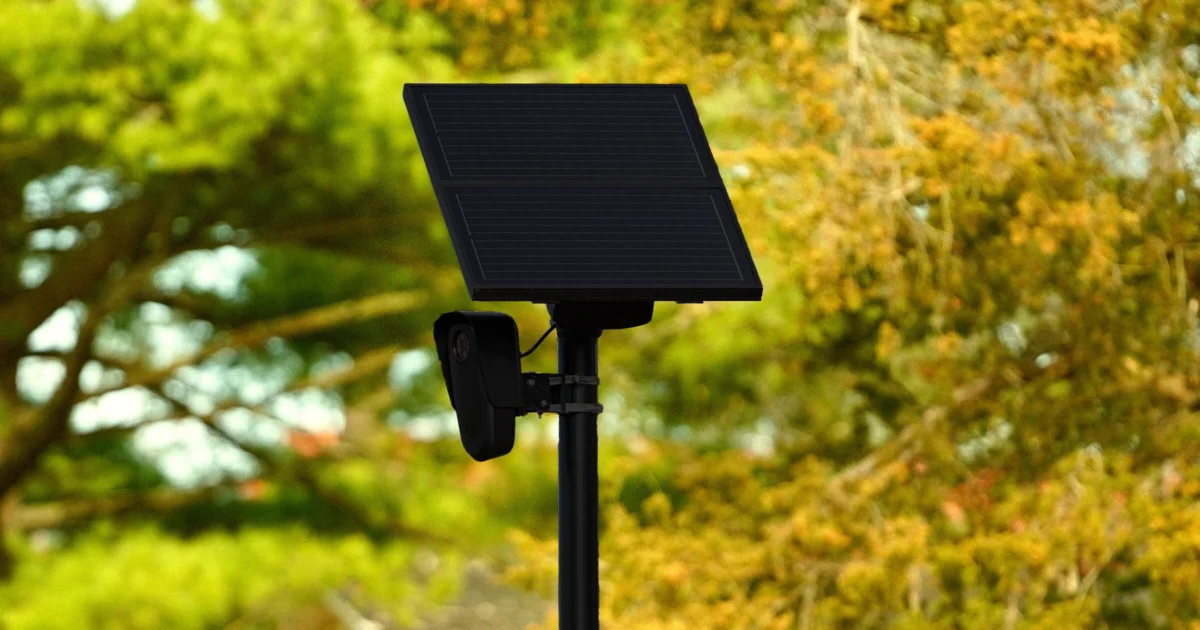
The incident, first brought to light by MPR News and subsequently detailed in a press release from the Winona Police Department, describes an audacious act of vandalism that saw all eight of the city’s Flock cameras vanish overnight. The first sign of trouble emerged on the evening of August 1st, when an astute officer noticed an unusual silence from the usually active surveillance network: there had been no recent activity recorded by the cameras. This anomaly prompted an immediate investigation, leading officers to the various locations where the ALPRs were strategically installed. What they discovered confirmed their suspicions: the poles supporting the cameras had been expertly cut near their bases, with the severed poles located nearby in the undergrowth, but the cameras themselves were nowhere to be found. As of August 4th, the sophisticated surveillance devices remain unlocated, fueling speculation about the motives and identities of those responsible.
The financial ramifications of this mass theft are substantial for Winona taxpayers. Each Flock ALPR unit, along with its specialized pole, carries an estimated replacement cost of approximately $3,000. With eight cameras gone, the direct replacement cost alone totals around $24,000. However, the true expense could be considerably higher, as Flock Safety imposes additional service fees for reinstallation, which could add as much as $16,000 to the bill. This brings the potential total cost to a staggering $40,000 – a significant sum for a municipal police department to absorb, especially for technology that has proven to be a lightning rod for public dissatisfaction.
Flock Safety, the company behind these ALPRs, has rapidly expanded its footprint across the United States, positioning itself as a crucial partner for law enforcement in combating crime. Their cameras are designed to automatically capture images of vehicle license plates, along with other identifying characteristics such as make, model, and color, and timestamp their location. This data is then fed into a vast network, allowing police to compare scanned plates against "hot lists" of stolen vehicles or those associated with criminal investigations. The company often promotes its technology as a force multiplier, enabling smaller police departments to enhance their investigative capabilities and improve response times for serious offenses.
However, the proliferation of Flock cameras and similar ALPR systems has ignited a fierce national debate about privacy and the scope of government surveillance. Critics argue that these devices constitute a form of pervasive mass surveillance, systematically tracking the movements of innocent citizens without probable cause or individualized suspicion. The concern is not merely about a single camera, but the aggregation of data from thousands of cameras across numerous jurisdictions, creating a comprehensive and searchable database of individuals’ movements. This raises fundamental questions about the Fourth Amendment’s protection against unreasonable searches and seizures, as many argue that continuous tracking of one’s vehicle in public spaces, while not strictly private, crosses a line into unwarranted governmental intrusion.
Privacy advocates point to the "always-on" nature of ALPRs, which indiscriminately scan every vehicle that passes, logging the movements of everyone from suspected criminals to parents on their way to school or activists attending a protest. The data, often retained for extended periods, can be shared with various law enforcement agencies, potentially creating a national surveillance network accessible to a multitude of entities. Concerns also extend to data security, accuracy, and the potential for mission creep, where technology initially justified for serious crimes might be used for minor infractions or even to monitor peaceful political activity. Studies have also highlighted potential biases in how these systems are deployed and the disproportionate impact they might have on certain communities.
The Winona incident is not an isolated case in the broader narrative of public resistance to ALPRs. Across the country, communities have voiced strong opposition to the deployment of these cameras, citing privacy concerns and the lack of democratic oversight in their implementation. There have been numerous instances of public outcry, protests, and even localized acts of vandalism against surveillance infrastructure. This growing backlash underscores a fundamental tension in modern society: the desire for increased security and law enforcement efficacy versus the imperative to protect individual privacy and prevent the erosion of civil liberties in an increasingly digital world.
The public’s reaction to the Winona camera thefts, particularly evident in the comments section of the Winona Police Department’s Facebook press release, paints a vivid picture of this societal divide. Far from condemning the act of vandalism, a significant portion of the comments were overwhelmingly positive, celebrating the removal of the cameras and even hailing the perpetrator(s) as local folk heroes. Users quipped about the suspect being on a "fishing trip" or jokingly blamed natural forces, such as deer, for consuming the cameras, reflecting a deep-seated distrust and resentment towards pervasive surveillance. These comments highlight a sentiment that views the cameras as an infringement on personal freedom rather than a tool for public safety, suggesting that a segment of the population believes direct action is justified when traditional avenues of protest or policy change seem ineffective.
Adding another layer of irony to the discussion around Flock Safety cameras, a recent "hallucination" by Google’s AI Overview provided an amusing, albeit concerning, example of how misinformation can intertwine with public perception. In response to a user query, Google’s AI falsely claimed that Flock cameras were filled with valuable gold and copper, suggesting that they might be a target for thieves seeking precious metals. While this AI error was quickly debunked and is likely unrelated to the actual motives behind the Winona thefts, it humorously underscores the various misconceptions and narratives, both factual and fictional, that surround these controversial devices. It also highlights the complex informational environment in which such technologies are deployed and debated.
The theft in Winona serves as a stark reminder of the ongoing struggle to balance technological advancement with fundamental rights. For law enforcement, the cameras represent a valuable asset in crime fighting, offering capabilities that traditional policing methods cannot match. For many citizens, however, they symbolize an Orwellian creep towards an omnipresent surveillance state, where every movement is recorded and potentially analyzed. The brazen act of stealing an entire city’s worth of ALPRs in Winona is more than just a property crime; it is a powerful, albeit illegal, statement against the expansion of surveillance technology and a potent symbol of public frustration. As communities continue to grapple with the implications of smart city technologies and advanced policing tools, incidents like this will likely intensify the debate, forcing a reevaluation of how such systems are introduced, governed, and ultimately accepted by the very people they are intended to serve. The future of surveillance in a democratic society remains a deeply contested and evolving landscape, with the vanishing cameras of Winona now a prominent, if enigmatic, marker of this contentious terrain.