Faris Adani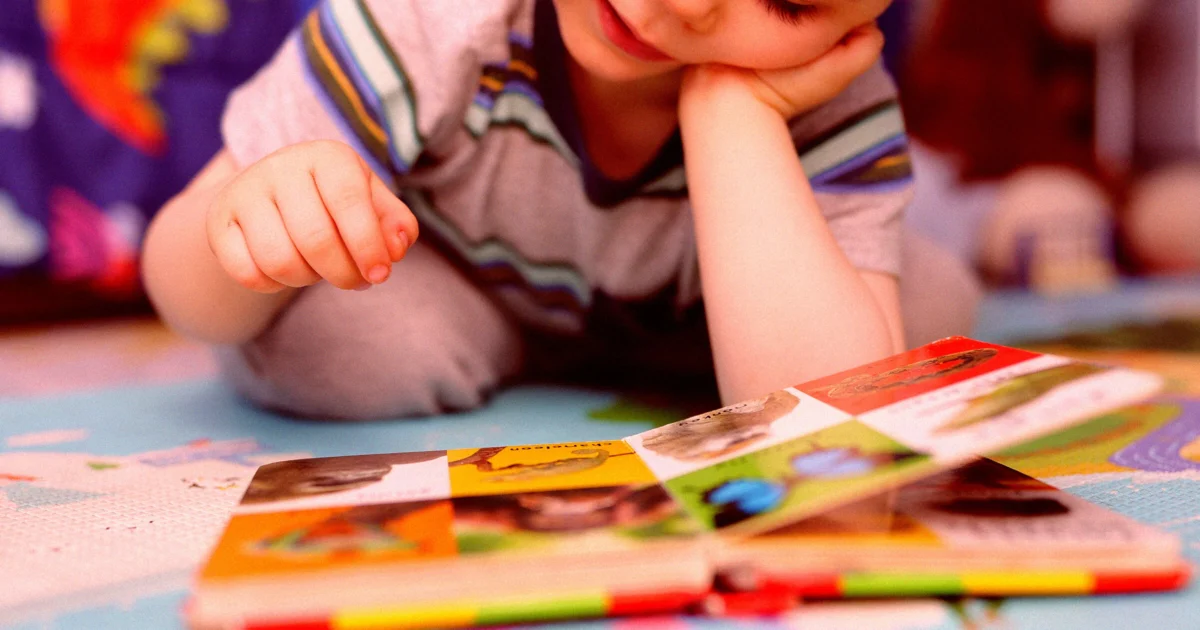
The seemingly innocent tradition of grandparents showering their grandchildren with gifts has taken a distinctly unsettling turn in the digital age, as a growing number of parents are expressing alarm and dismay over receiving AI-generated children’s picture books from their well-meaning, yet technologically unsophisticated, elders. These "personalized" tomes, often featuring the children’s likenesses and family names, are being widely dubbed "AI slop" by a generation of parents keenly aware of the implications of artificial intelligence, both for its questionable creative output and its deeply concerning data privacy practices. What begins as an attempt to create a unique memento often devolves into a source of familial tension, highlighting a profound generational divide in understanding and embracing new technologies.
The phenomenon, as reported by Wired, reveals a burgeoning trend where grandmas and grandpas, eager to leverage the latest tech, are utilizing AI tools to churn out picture books that integrate their grandchildren directly into the narratives. While the intention is undoubtedly sweet—to see a child’s face and name within a story—the execution and underlying technology are proving to be anything but heartwarming for the parents. The resulting "slop" frequently falls short of artistic and narrative standards, producing often bizarre or generic imagery and clunky storylines that lack the charm and nuance of traditionally authored and illustrated children’s literature. This aesthetic disappointment is compounded by a far more significant concern: the surreptitious feeding of their children’s identifying information and images into opaque AI models.
One parent’s exasperation, detailed in a Reddit post that resonated widely, perfectly encapsulates the core conflict. Despite repeated explicit requests to avoid AI-generated art and, crucially, to refrain from submitting family photos or personal details to AI platforms, the grandparent persisted. "I have reiterated countless times that I do not support AI-generated art, and drew a hard line that she is absolutely not to feed any of our photos into AI or use our identifying information in any way," the distressed parent wrote. Yet, the grandparent continued to craft storylines based on real-life experiences with the child, modeling characters to resemble them and using family first names, believing this would help the child "see her family reflected." This illustrates a stark disconnect: for one generation, it’s a harmless, novel form of personalization; for the other, it’s a direct violation of digital boundaries and a reckless gamble with their child’s digital footprint.
This burgeoning niche has not gone unnoticed by entrepreneurs, leading to the rapid proliferation of platforms specifically designed to facilitate this exact kind of AI-driven customization. Services such as Imagitime, StoryWonderBook, and Childbook.ai offer seemingly effortless ways for users to upload images and input details, promising to weave children straight into imagined AI narratives. These platforms capitalize on the desire for unique, personalized gifts, making the process so user-friendly that even those with minimal tech savvy can generate a book in minutes. However, the ease of creation belies the complex ethical and quality issues inherent in their product.
Beyond the ethical quagmire, the actual reception of these AI-generated creations by their intended audience—the children themselves—is notably lukewarm. One father, speaking to Wired, recounted how his seven and three-year-old children were utterly "bored" by the "personalized" AI books they received from relatives. He noted the stories were "so long and wordy that, after one time through, each of my kids was like, ‘Yeah, OK, let’s read Little Blue Truck,’" referring to Alice Schertle’s beloved, bestselling traditional children’s series. This anecdote is telling; it suggests that novelty alone is insufficient to capture a child’s imagination. Authenticity, narrative depth, and engaging characters trump superficial personalization every time.
Daozhi Xu, a researcher at Macquarie University who has published an analysis of the "AI children’s book boom," confirms this observation. Xu emphasizes that "Children do not love a storybook simply because their name or image appears in the story; they love the book because the story itself is interesting." This simple truth often eludes the algorithms. Compared to human-authored books, Xu adds, the AI-generated versions "often lack humor, memorable characters, and dramatic tension." This critical assessment highlights a fundamental flaw in current AI capabilities when it comes to creative storytelling: while AI can mimic styles and generate text, it struggles to imbue narratives with the emotional resonance, wit, and genuine spark that define truly great children’s literature. Human authors and illustrators bring unique life experiences, cultural understanding, and an intuitive grasp of what captivates young minds—qualities that AI cannot yet replicate.
Comedian and artist Brandon Kirman shared a similar experience, describing an AI-generated book gifted by his parents about shared activities with his four and two-year-old daughters. His verdict: "well-meaning on their end, but f**king yikes." He, too, observed his children’s distinct lack of enthusiasm for the AI book compared to their eager engagement with other, traditionally created stories. This collective disinterest from the very children these books are meant to delight serves as a powerful testament to the creative limitations of current AI in this domain. It underscores that true artistic value, even in children’s literature, stems from human ingenuity, empathy, and imaginative craft, not just data processing.
The most insidious and deeply concerning aspect of this trend, however, lies in the severe lack of transparency regarding data handling. Xu points out the critical issue of how "children’s photos are used and stored on AI platforms," noting the potential for this sensitive information to be "shared with third parties or used to train AI models." This concern is not abstract; it touches upon the fundamental right to privacy, especially for minors. When a grandparent uploads a child’s image, they are unknowingly, or perhaps unconcernedly, surrendering that data to corporate entities whose data retention policies, security protocols, and future applications of the data are often vague or nonexistent. This could lead to a host of future problems, from identity theft and data breaches to the use of children’s likenesses in unforeseen and potentially harmful ways, such as creating deepfakes or populating AI training datasets without explicit, informed consent.
The broader implications extend beyond just privacy breaches. The increasing proliferation of AI-generated content, particularly for children, raises questions about the long-term impact on cognitive development and critical thinking. If children are exposed predominantly to formulaic, emotionally flat stories and generic imagery, what does this mean for their developing imaginations, their ability to discern quality, and their appreciation for genuine artistic expression? The ease with which "slop" can be created and consumed risks devaluing the arduous, thoughtful process of human creativity, from writing compelling narratives to crafting unique illustrations. It normalizes a world where quantity and speed of production overshadow quality and artistic integrity.
This phenomenon also resonates with other recent alarm bells concerning AI and children, such as reports of "AI-Powered Toys Caught Telling 5-Year-Olds How to Find Knives and Start Fires With Matches." While distinct in their immediate danger, both scenarios underscore the critical need for extreme caution and robust ethical guidelines when AI interacts with the most vulnerable members of society. The data privacy concerns of AI-generated books, though seemingly less overtly threatening, contribute to a larger tapestry of digital risks that parents are increasingly forced to navigate, often without adequate safeguards or clear information.
The generational gap in understanding and approaching technology is central to this conflict. Grandparents, often viewing AI as a fascinating new tool for personalization, may not grasp the nuanced concerns about data ownership, algorithmic bias, or the long-term consequences of contributing to a surveillance economy. For them, it’s a novel way to express affection; for parents, it’s a potential breach of trust and a compromise of their child’s digital future. Communicating these complex digital ethics across generations, particularly when confronted with a "well-meaning" gift, presents a significant challenge for families striving to maintain harmony while also safeguarding their children in an increasingly AI-permeated world.
Ultimately, the rise of AI-generated children’s "slop" books is more than just a passing trend; it’s a potent symbol of the broader ethical and creative dilemmas posed by artificial intelligence. It forces a critical examination of what we value in art, storytelling, and personal connection, and how we choose to protect the innocence and privacy of childhood in an era of rapid technological advancement. Until transparency, robust data protection, and genuine artistic merit become hallmarks of AI-driven creative endeavors, parents will likely continue to cringe at these digital gifts, struggling to explain the intricacies of data privacy and the subtle art of good storytelling to their beloved, yet tech-naïve, mawmaws. The quest to safeguard genuine creativity and childhood innocence from the sloppifying tentacles of AI is only just beginning.