
 Faris Adani

The artificial intelligence industry, now underpinned by trillions of dollars and a vast network of speculative debt, faces an increasingly precarious financial situation, with a recent analysis from the OpenMarkets Institute warning that a "deep and severe AI crash" is rapidly becoming more probable, echoing the systemic risks seen in the 2008 subprime mortgage crisis and prompting urgent calls for regulatory intervention to safeguard the broader economy.
The pervasive influence of artificial intelligence has transcended niche technological circles, embedding itself deeply into the global financial fabric. Whether through consumer applications, enterprise solutions, or the foundational infrastructure that powers these innovations, AI’s tendrils now extend across virtually every sector. This widespread adoption, however, has been fueled by an unprecedented influx of capital, with multiple trillions of dollars invested, much of it bound up in highly speculative debt. As leading AI research labs increasingly struggle to generate sufficient revenue to offset their skyrocketing operational costs—a challenge exemplified by companies like Anthropic, which despite massive funding, reportedly grapples with profitability—financial alarms are blaring, suggesting that this intricate global "Jenga tower" of investment could be on the verge of collapse.
A groundbreaking new analysis titled "Brace For Impact" by the Washington D.C.-based think tank OpenMarkets Institute casts a stark light on this looming crisis, concluding that the "odds of a deep and severe AI crash are rapidly increasing." The report meticulously details how the AI industry’s current financial structure, characterized by its interconnectedness and extreme concentration of power and investment, poses profound risks not only to the tech sector but to the global economy at large. The core of the problem, as identified by OpenMarkets, is a burgeoning debt trap: "If the AI industry can’t pay back its mounting debts," the report warns, "a financial crash could follow — and it could spread well beyond the tech sector."
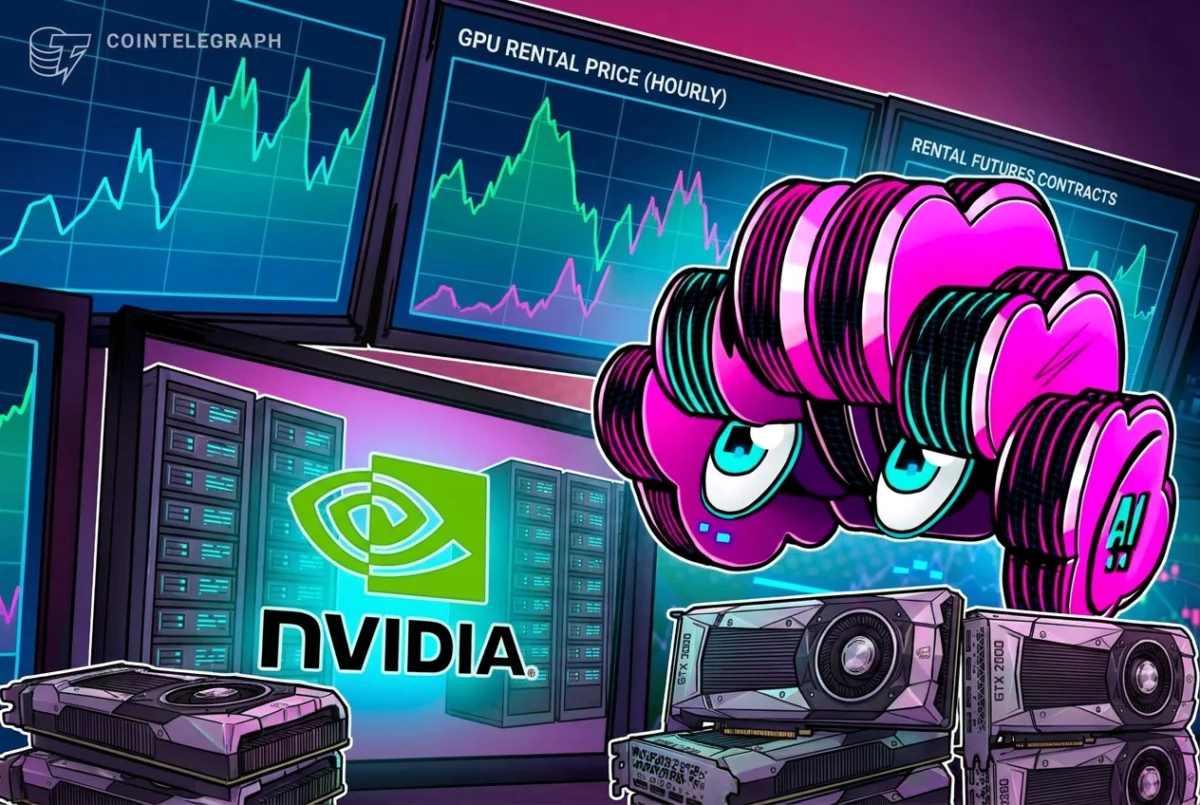
The scale of investment in AI is staggering. Major tech giants like Microsoft have poured billions into OpenAI, Amazon has committed similar sums to Anthropic, and Google continues to heavily back its own AI initiatives and related startups. Venture capital firms, hedge funds, and private equity groups have followed suit, driving valuations of nascent AI companies into the tens and even hundreds of billions, often with minimal proven revenue streams. This "AI gold rush" has created a feeding frenzy, where the perceived transformative potential of AI outweighs traditional financial metrics. The investment isn’t just in the AI models themselves but in the foundational infrastructure: advanced semiconductors, massive data centers, and the specialized talent required to build and maintain these complex systems. Companies like Nvidia, the dominant producer of AI-specific GPUs, have seen their market capitalization soar into the trillions, becoming a primary beneficiary of this spending spree, while cloud providers like Amazon Web Services (AWS), Microsoft Azure, and Google Cloud are reaping enormous profits from hosting the immense computational demands of AI development and deployment.
However, beneath the surface of soaring valuations and technological breakthroughs lies a critical vulnerability: the enormous "burn rate" of AI companies. Developing and deploying advanced AI models is extraordinarily expensive. The cost of acquiring and training top-tier AI researchers and engineers is exorbitant, with bidding wars for talent driving salaries to unprecedented levels. More significantly, the computational resources required are immense. Training a state-of-the-art large language model (LLM) can cost hundreds of millions of dollars in GPU time and electricity, and even running these models for inference (generating responses) incurs substantial costs. Many AI labs, despite their lofty valuations and vast sums raised, are struggling to translate their technological prowess into sustainable, scalable revenue. The products and services derived from these advanced models often face challenges in monetization, either due to high operational costs making them expensive for end-users, intense competition driving down prices, or a lack of clear, demonstrable return on investment (ROI) for enterprise clients outside of the tech sector itself. This difficulty in monetization was highlighted in a related report cited by Futurism, where a "top economist finds that AI has provided ‘zero financial payoff’ to companies outside tech," suggesting that the transformative economic benefits often touted are yet to materialize for the broader economy, leaving many companies to question the tangible value of their AI investments.
This revenue-cost imbalance fuels the growing mountain of speculative debt. Companies unable to cover their expenses through sales must continually raise more capital, often taking on debt or issuing equity at inflated valuations. This creates a delicate "Jenga tower" effect, where the stability of the entire structure depends on continuous growth and the ability to attract new funding. Should any major player falter, or should investor confidence wane, the interconnected nature of this ecosystem—from the chip manufacturers and cloud providers to the venture capital firms and institutional investors—means a collapse could cascade rapidly through the system. The sheer concentration of risk, with a relatively small number of highly valued AI companies and a few dominant infrastructure providers, amplifies the potential for systemic shock.
OpenMarkets’ comparison of the current financial situation to the 2008 subprime mortgage crisis is particularly chilling. While unique in its specifics, the parallels in underlying mechanisms are stark. In 2008, seemingly low-risk mortgage-backed securities, comprised of bundled subprime loans, were widely sold to institutional investors. Today, the report argues, "speculative data center debt is being repackaged and sold to pension and retirement funds, university endowments, and other institutional investors in a manner eerily reminiscent of the subprime bubble." This new form of securitization involves bundling debts related to the construction, maintenance, and future revenue streams of AI data centers and infrastructure. These assets are often presented as stable, essential components of the "new economy," offering attractive yields in a low-interest-rate environment. However, their underlying value is inextricably linked to the continued growth and profitability of the AI industry. If AI companies cannot generate the revenue to pay for these data center services, or if the demand for new infrastructure slows, the value of these securitized debts could plummet, exposing institutional investors, and by extension, millions of ordinary citizens’ retirement savings, to catastrophic losses. The illusion of diversification, where these complex financial instruments are perceived as distinct from the risks of the core AI industry, mirrors the dangerous miscalculations made with collateralized debt obligations (CDOs) in the run-up to 2008.
Compounding these financial vulnerabilities is a significant regulatory vacuum. The OpenMarkets report criticizes the aggressive dismantling of regulatory guardrails, particularly during the Trump administration, which it argues has exacerbated the potential harm of a financial crisis. The general trend of deregulation in the tech and financial sectors has allowed for less transparency, fewer oversight mechanisms, and greater risk-taking. For instance, relaxed capital requirements for financial institutions, reduced scrutiny on complex financial products, and a generally hands-off approach to emerging tech markets mean that the financial system is less equipped to detect, absorb, or mitigate a shock originating from the AI sector. This lack of oversight allows for the opaque repackaging and sale of speculative debt to continue unchecked, creating a moral hazard where institutions believe they can take outsized risks without facing severe consequences.
While the warnings are dire, it’s important to acknowledge that not everyone agrees on the imminence or severity of an AI bubble burst. Proponents of the current investment levels argue that AI represents a truly transformative technological shift, akin to the internet or electricity, and that the massive upfront investment is necessary to unlock its immense long-term potential. They contend that current revenue struggles are merely "growing pains" inherent in any revolutionary technology, and that monetization strategies will mature as AI applications become more integrated and indispensable across industries. Optimists point to the genuine breakthroughs in AI capabilities and the potential for unprecedented productivity gains and new economic opportunities. However, even these optimistic views rarely dismiss the sheer scale of current investments and the importance of responsible financial practices.
Nevertheless, the OpenMarkets Institute’s "Brace For Impact" report issues a clear and urgent call to action. It urges "Regulators, Congress, and state policymakers should instead act swiftly to shine a light on the AI industry’s murky finances, stop contributing to the inflation of the bubble with subsidies and regulatory giveaways, better protect working people’s retirement savings from outsized risk exposure, and strengthen the resilience of the financial system to protect households’ economic security and the broader economy’s stability." This includes advocating for greater transparency through mandatory financial disclosures for AI companies and their investors, ensuring independent audits of their revenue models and debt structures. It also means re-evaluating government subsidies and tax breaks that might be inadvertently fueling over-investment without clear economic returns. Protecting retirement savings requires stricter investment guidelines for institutional investors, demanding clearer risk disclosures for complex AI-related financial products. Finally, strengthening the financial system’s resilience involves re-implementing robust capital requirements for banks, enhancing liquidity rules, and developing stress tests specifically designed to assess the financial system’s exposure to technological and speculative bubbles.
The stakes are incredibly high. The intertwining of advanced technology with complex, opaque financial instruments, coupled with a lax regulatory environment, creates a volatile cocktail. As the global economy continues to grapple with the lingering effects of past financial crises and faces new geopolitical uncertainties, the prospect of an AI-driven economic downturn presents a formidable challenge. The time for proactive measures to stabilize this burgeoning sector and protect the broader financial system is now, before the Jenga tower topples, unleashing consequences that could reverberate for years to come.