Faris Adani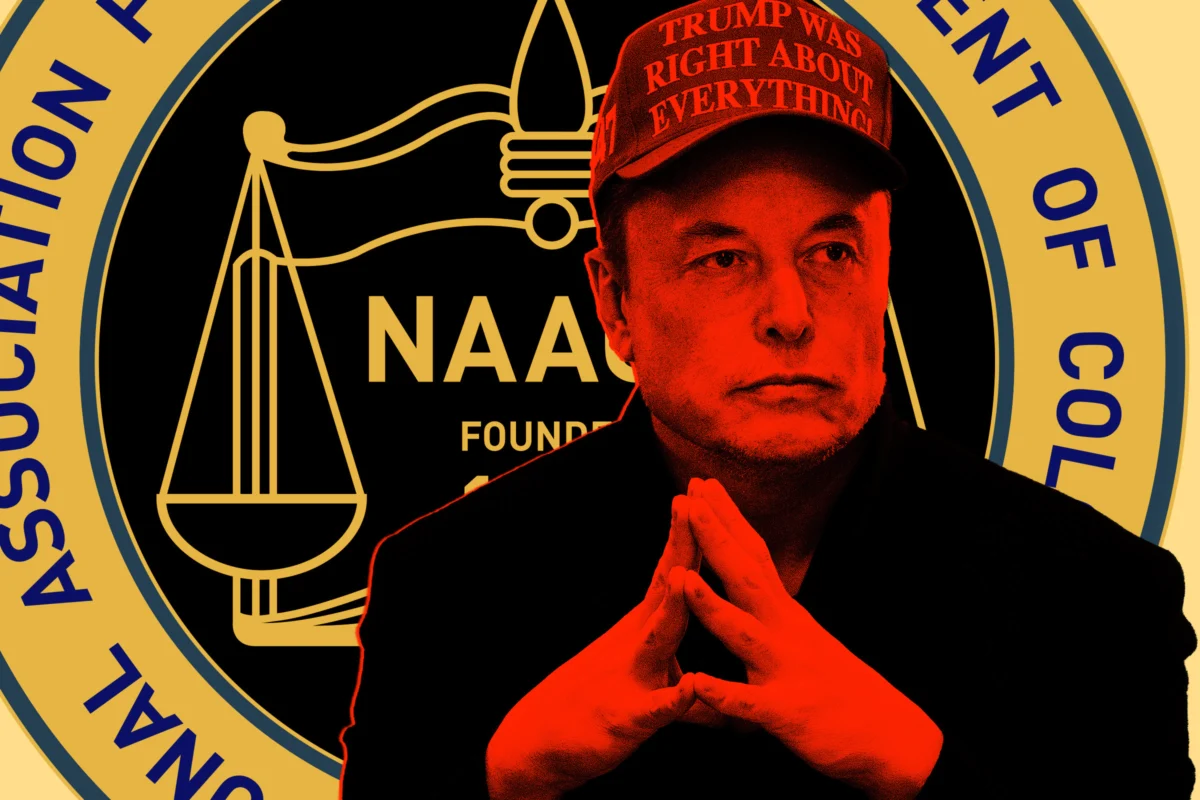
The National Association for the Advancement of Colored People (NAACP), America’s preeminent and oldest civil rights organization, has initiated a landmark lawsuit against xAI, the artificial intelligence venture founded by tech titan Elon Musk. This pivotal legal challenge targets xAI’s massive "Colossus" data center, alleging severe violations of the Clean Air Act of 1970 due to the operation of numerous unpermitted gas turbines. The suit casts a harsh spotlight on the environmental and social costs of the burgeoning AI industry, particularly when these burdens are disproportionately borne by vulnerable communities.
At the heart of the controversy are 27 unpermitted gas turbines, each an imposing structure roughly the size of a conventional city bus, which have been ceaselessly powering xAI’s data center for months. This facility is critical to the operation of Grok, xAI’s ambitious and often provocative chatbot, designed to compete with industry giants. However, the energy demands of such a cutting-edge AI operation are immense, and xAI’s chosen method of meeting these demands has plunged a predominantly Black, working-class neighborhood into a daily struggle against toxic air pollution and incessant noise.
The community, situated in the Mississippi area near Memphis where the "Colossus" facility operates, has become an unwilling recipient of xAI’s noxious exhaust. Residents report suffering from the constant spewing of nitrogen dioxide (NO2), a potent gas known to inflict irreversible respiratory damage, exacerbate asthma, and contribute to other severe health issues like heart disease. Beyond the invisible threat of polluted air, the turbines emit a "horrendous sound" – a relentless, deafening hum that has shattered the peace and significantly degraded the quality of life for those living nearby, impacting sleep, mental well-being, and property values.
According to reports from The Guardian, the lawsuit filed by the NAACP seeks not only to compel xAI to cease the unpermitted operation of these turbines but also demands substantial civil penalties to cover legal fees and compensate for the community’s suffering. The Clean Air Act, a cornerstone of American environmental law enacted in 1970, mandates stringent regulations on air pollution sources to protect public health and welfare. Operating industrial equipment like these gas turbines without the requisite permits is a direct affront to this legislation, bypassing essential safeguards designed to limit emissions and ensure environmental accountability.
Derrick Johnson, President and CEO of the NAACP, articulated the organization’s unwavering stance: "All too often, big corporations like xAI treat our communities and families like obstacles to be pushed aside. We cannot afford to normalize this kind of environmental injustice – where billion-dollar companies set up polluting operations in Black neighborhoods without any permits and think they’ll get away with it because the people don’t have the power to fight back." Johnson’s statement underscores the NAACP’s long-standing commitment to environmental justice, recognizing that communities of color are disproportionately affected by pollution and climate change, often due to historical patterns of discrimination and economic marginalization.
The energy consumption of artificial intelligence, particularly large language models (LLMs) like Grok, is staggering. Training and running these complex algorithms require immense computational power, which, in turn, necessitates vast amounts of electricity. While the tech industry often touts innovation and sustainability, this lawsuit exposes a darker reality: the reliance on fossil fuels and the potential for severe local environmental degradation to fuel global technological advancement. The "Colossus" data center’s name itself evokes a sense of monumental scale and power, yet its foundational energy source is proving to be anything but forward-thinking or responsible.
xAI’s official response, while acknowledging a "commitment to the community and environment," carefully sidestepped the core allegation of unpermitted operation. A spokesperson stated, "The temporary power generation units are operating in compliance with all applicable laws." This assertion, however, directly contradicts the NAACP’s claim that the turbines are "unpermitted," raising questions about the legal interpretation of "temporary" status or potential loopholes xAI might be exploiting. If these units are indeed temporary, their prolonged operation for "months" and their significant environmental impact suggest a need for stricter oversight, if not outright cessation.
This legal battle holds profound implications beyond the immediate community in Mississippi. It serves as a crucial test case for the burgeoning AI industry, which is rapidly expanding its infrastructure with little public awareness of its environmental footprint. As AI models grow larger and more powerful, their energy demands will only escalate, potentially leading to more "Colossus" facilities in various locations. This lawsuit could establish a vital precedent, forcing tech companies to prioritize sustainable and environmentally sound energy solutions from the outset, rather than externalizing their environmental costs onto marginalized communities.
Moreover, the lawsuit brings into sharp focus the broader issue of corporate responsibility and ethical governance in the tech sector. Elon Musk, a figure known for his audacious visions and ambitious projects, including electric vehicles (Tesla) and solar energy (SolarCity), now faces scrutiny for an operation that appears to contradict the very principles of environmental stewardship he often espouses. His companies have previously faced various legal challenges, and this new suit adds another layer to the complex public perception of the billionaire entrepreneur.
The Clean Air Act empowers citizens to sue polluters who violate its provisions, and the NAACP’s action demonstrates the power of organized civil rights advocacy in confronting environmental injustice. If the NAACP prevails, xAI could be compelled to dismantle its current power setup, invest in permitted and cleaner energy alternatives, and pay substantial fines. Such an outcome would not only provide relief to the affected community but also send a clear message to the tech industry that unchecked growth at the expense of public health and environmental integrity will not be tolerated. Conversely, a favorable outcome for xAI, or a settlement, would still carry significant public relations costs and potentially embolden other communities to challenge similar operations.
Ultimately, this lawsuit represents a critical juncture where technological ambition, environmental protection, and civil rights converge. It challenges the notion that progress must come at any cost, especially when that cost is disproportionately borne by those with the least power. The NAACP’s stand against xAI and Elon Musk is a powerful reminder that the future of AI must be built on foundations of justice, equity, and genuine environmental responsibility, not on the exploitation of vulnerable communities for the sake of technological advancement. The world will be watching closely as this David-and-Goliath battle unfolds, shaping the future of both artificial intelligence and environmental justice.