anjir abdul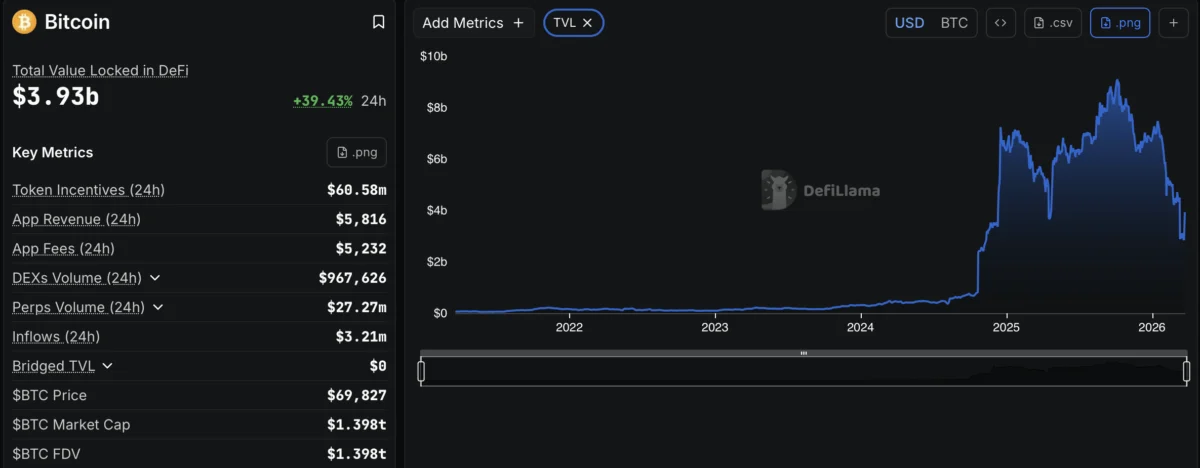
In a groundbreaking collaboration set to redefine institutional engagement with the world’s largest cryptocurrency, Lombard, a pioneering firm focused on Bitcoin-based lending infrastructure, has officially partnered with Bitwise Asset Management, a leading crypto asset manager. This strategic alliance aims to empower institutions to generate yield and secure loans against their substantial Bitcoin holdings without the critical requirement of transferring assets out of their existing custody solutions. The initiative is poised to unlock a staggering hundreds of billions of dollars in Bitcoin currently held passively within institutional custody, transforming it from a static store of value into dynamic, productive capital within the onchain finance ecosystem.
The partnership was formally unveiled on Tuesday at the prestigious Digital Asset Summit in New York, marking a pivotal moment for both the Bitcoin and institutional finance sectors. This development addresses a long-standing challenge in the crypto space: enabling institutional investors to derive utility from their Bitcoin without compromising security, increasing counterparty risk, or triggering complex tax implications.
Jacob Phillips, CEO and co-founder of Lombard, underscored the revolutionary nature of this collaboration in an exclusive statement to Cointelegraph. "The breakthrough is Bitcoin Smart Accounts," Phillips explained, highlighting the core innovation. "Connecting two previously isolated worlds: institutional custody and onchain finance." This concept represents a paradigm shift, bridging the chasm between traditional, highly regulated institutional asset management and the burgeoning, decentralized world of onchain financial protocols.
According to a detailed announcement shared with Cointelegraph, the operational framework of this partnership is meticulously structured. Bitwise Asset Management, leveraging its expertise in digital asset strategies, will be instrumental in developing sophisticated yield strategies. These strategies are designed to integrate the efficiency and innovation of decentralized finance (DeFi) lending mechanisms with the stability and familiarity of tokenized real-world assets (RWAs). This hybrid approach aims to offer institutions a diversified and robust pathway to generate returns on their Bitcoin. Complementing this, Morpho, a prominent decentralized lending protocol renowned for its capital efficiency and secure architecture, will furnish the underlying lending infrastructure necessary for institutions to borrow against their Bitcoin collateral.
The technical underpinning of this innovative platform relies on native Bitcoin tools, eschewing the complexities and risks associated with cross-chain bridges or wrapped assets. Specifically, it employs partially signed Bitcoin transactions (PSBTs) and timelocks. These native functionalities allow for the cryptographic verification of collateralized positions directly on the Bitcoin blockchain, ensuring that the assets remain in their original custody. Crucially, this mechanism enables the representation of these positions onchain without the physical transfer or rehypothecation of the underlying Bitcoin. This is a critical distinction that addresses fundamental concerns of institutional investors regarding asset control and security.
Phillips emphasized the profound impact of this approach on risk mitigation. "Rather than relying on bridges or wrapped assets, Bitcoin Smart Accounts eliminate all three risk vectors simultaneously," he stated. These three critical risk vectors—custody risk, bridge risk, and counterparty risk—have historically presented formidable barriers to institutional participation in Bitcoin lending and onchain finance. By eliminating them, Lombard and Bitwise are setting a new standard for secure, institutional-grade access to Bitcoin yield.
The offering is strategically tailored to a specific demographic: high-net-worth individuals, sophisticated asset managers, and corporate treasuries. These entities typically hold substantial Bitcoin positions that have historically functioned as passive stores of value. The new platform provides them with a viable and secure pathway to put these long-held assets to work, generating returns or accessing liquidity without the need to alter their existing, often complex, custody arrangements. This preserves their established security protocols and simplifies compliance.

The full rollout of this service is anticipated in the second quarter of 2026. Looking ahead, Lombard has ambitious plans to broaden the reach and impact of this solution by integrating with an expanded network of custodians and decentralized protocols. This phased expansion aims to democratize access across a wider spectrum of institutional Bitcoin holdings, solidifying the platform’s position as a cornerstone of institutional Bitcoin finance.
Phillips articulated the transformative vision driving this initiative, stating, "We’re moving Bitcoin from a pure store of value to productive institutional capital. That’s the shift." This statement encapsulates the profound re-evaluation of Bitcoin’s role in institutional portfolios. Historically, Bitcoin has been primarily viewed as a long-term inflation hedge or a digital gold—an asset to be acquired and held, with limited avenues for active management or yield generation without incurring significant counterparty exposure or triggering undesirable taxable events. This partnership seeks to fundamentally alter that perception.
Lombard’s internal estimates highlight the immense untapped potential: approximately $500 billion worth of Bitcoin is currently held in institutional custody. A substantial portion of this colossal sum remains outside the vibrant and rapidly evolving onchain financial markets, representing a dormant giant awaiting activation. This partnership aims to bridge this gap, integrating this vast pool of capital into the productive economy of decentralized finance.
The growing momentum in Bitcoin DeFi is evident, with various innovations gaining traction. Data from DefiLlama indicates that Bitcoin’s total value locked (TVL) in decentralized finance currently stands at roughly $2.93 billion. While this figure might seem substantial, it represents a mere fraction of Bitcoin’s approximately $1.4 trillion market capitalization, underscoring the immense scope for growth and development within the Bitcoin DeFi ecosystem. However, recent months have witnessed a palpable acceleration in efforts to transform Bitcoin into a yield-generating asset, signaling a shift in market dynamics.
One of the primary drivers of this burgeoning trend is the proliferation of onchain vaults. These sophisticated mechanisms function akin to automated investment funds, strategically deploying user capital across a diverse array of DeFi strategies to optimize returns. In a significant precursor to the latest announcement, Bitwise itself demonstrated its commitment to this sector in January, announcing a collaboration with DeFi lending protocol Morpho. This earlier tie-up focused on launching non-custodial vaults specifically engineered to generate yield through overcollateralized lending, showcasing Bitwise’s strategic foresight in the DeFi space.
The acceleration of this trend has been particularly notable. In February, the popular messaging application Telegram integrated yield-generating vaults into its native crypto wallet. This move enabled its vast user base to earn returns on their Bitcoin, Ether, and USDT holdings directly within the app, bringing DeFi functionality to a mainstream audience. Subsequently, in March, the innovative Bitcoin staking protocol Babylon announced its integration with Ledger, a leading hardware wallet manufacturer. This integration empowers users to deploy their BTC in various financial applications while steadfastly maintaining self-custody through secure, hardware-based transaction signing, a crucial feature for security-conscious investors.
At the time of writing, Babylon Protocol stands as a dominant force in Bitcoin-based DeFi, boasting an impressive total value locked of approximately $2.8 billion. Lombard, rapidly ascending in this competitive landscape, currently ranks second with around $744 million in TVL, underscoring the significant investor interest and capital flowing into its innovative solutions. This indicates a robust and growing ecosystem dedicated to unlocking Bitcoin’s productive potential.
The partnership between Lombard and Bitwise marks a critical inflection point for institutional Bitcoin adoption. By meticulously addressing the historical risks associated with onchain finance—namely custody, bridge, and counterparty risks—the collaboration offers a compelling and secure pathway for institutions to actively manage their Bitcoin holdings. This enhanced framework of trust and compliance is poised to make Bitcoin a far more attractive asset for active capital allocation rather than merely a passive holding. The meticulous design, leveraging native Bitcoin tools and partnering with established DeFi protocols, demonstrates a profound understanding of both institutional requirements and the capabilities of decentralized technology. This initiative is not merely about generating yield; it’s about fundamentally integrating Bitcoin into the fabric of institutional finance, setting a precedent for how traditional financial entities can securely and productively engage with the digital asset frontier. This evolution from a pure store of value to a productive institutional asset heralds a new era for Bitcoin, promising to unlock unprecedented levels of liquidity and utility within the global financial system.