anjir abdul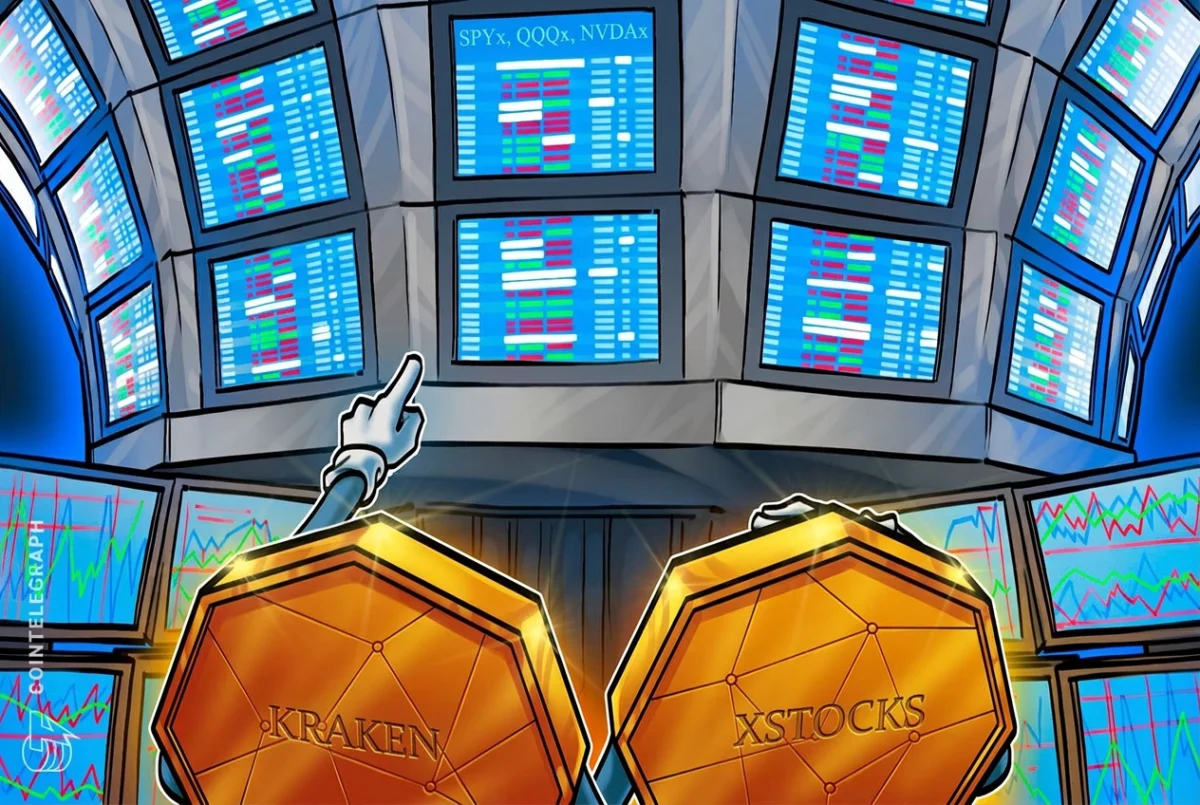
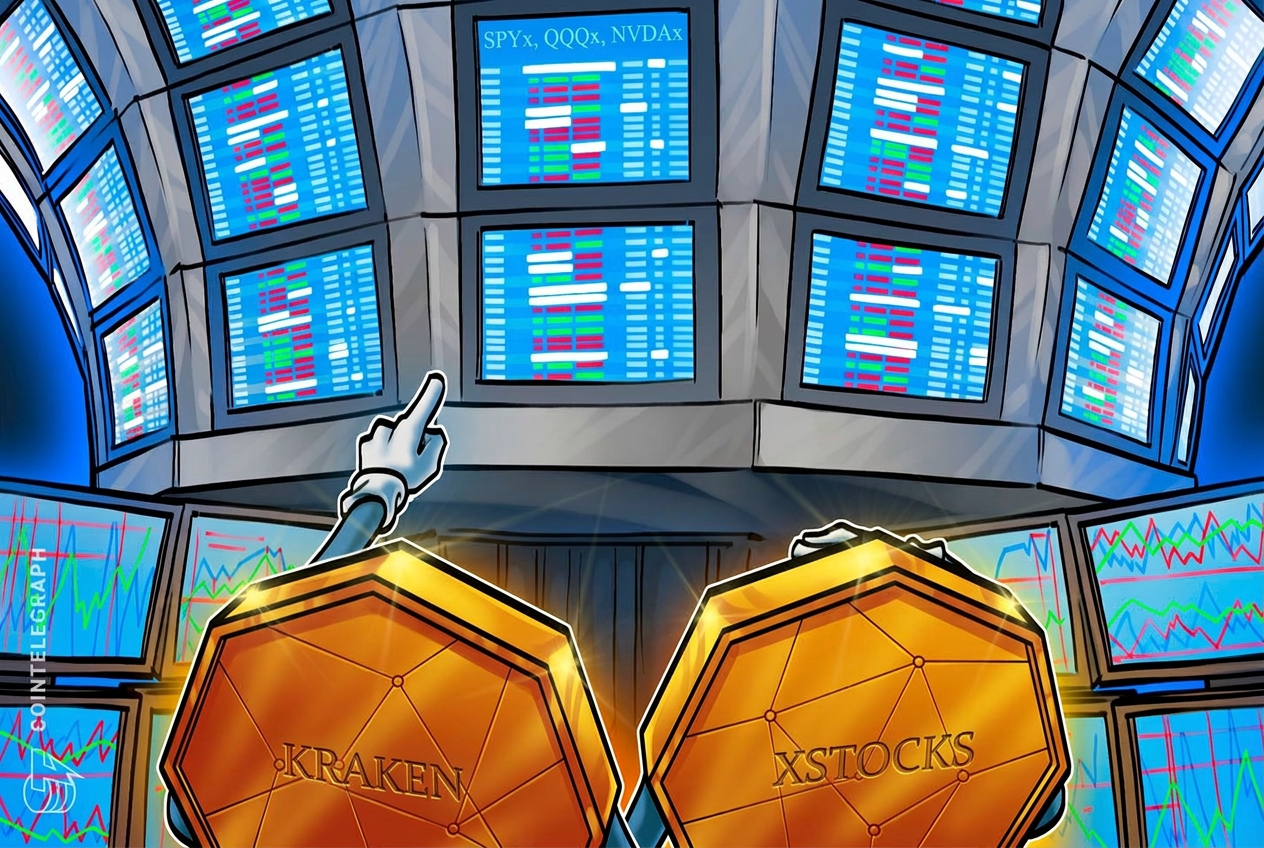
The newly introduced xStocks vaults are designed to support tokenized versions of highly popular traditional financial instruments: the SPDR S&P 500 ETF (SPYx), the Invesco QQQ ETF (QQQx), and individual shares of Nvidia (NVDAx). These tokenized assets represent a digital wrapper on a blockchain that tracks the value of their underlying real-world counterparts. SPY, for instance, is one of the largest and most widely traded exchange-traded funds, designed to track the performance of the S&P 500 index, comprising 500 large-cap U.S. equities. QQQ, similarly, tracks the Nasdaq 100 index, heavily weighted towards technology and growth companies. Nvidia, a leading designer of graphics processing units (GPUs) and AI chips, has become a bellwether for the technology sector. By tokenizing these assets, Kraken is essentially bridging a segment of the multi-trillion-dollar global equities market into the burgeoning DeFi landscape.
The core mechanism behind these vaults involves generating yield by lending the deposited xStocks through onchain markets. Unlike traditional brokerage accounts where assets might sit idle or earn minimal interest, these vaults actively deploy the tokenized securities into various DeFi lending protocols. This process allows investors to leverage the liquidity and interest-generating capabilities inherent in decentralized finance. The yield earned is paid directly in the deposited xStocks, meaning clients receive more of the tokenized asset they initially committed, effectively compounding their returns. A key feature for users is the relatively streamlined withdrawal process, with requests typically processed within three days, balancing the need for liquidity with the operational requirements of managing decentralized lending positions.
This initiative is built upon the proven infrastructure of Kraken DeFi Earn, a service launched in January that has already demonstrated significant success. Kraken DeFi Earn has rapidly attracted over $800 million in deposits, showcasing a strong appetite among Kraken’s client base for accessible and secure DeFi yield opportunities. The extension of this infrastructure to tokenized stocks and ETFs underscores Kraken’s strategic commitment to expanding its DeFi offerings and catering to a broader range of asset classes. This modular approach allows the exchange to leverage existing technological frameworks, ensuring robust security and operational efficiency for the new xStocks vaults.
The technical backbone of the xStocks vaults is powered by Veda, a specialized entity focused on building the underlying infrastructure for these innovative financial products. Complementing Veda’s foundational work, Sentora plays a crucial role in designing and managing the sophisticated lending strategies employed to generate yield. Sentora’s expertise lies in navigating the complexities of DeFi markets, ensuring that assets are deployed optimally to maximize returns while meticulously managing associated risks. For example, assets are lent through prominent DeFi markets such as Kamino on Solana. Solana, known for its high throughput and low transaction costs, provides an efficient blockchain environment for these lending activities. Kamino, a concentrated liquidity manager and lending protocol on Solana, offers the necessary infrastructure for capital-efficient lending and borrowing.
Sentora’s responsibilities extend to critical risk management parameters. This includes setting exposure limits to prevent over-concentration in any single protocol or asset, monitoring collateralization ratios to mitigate default risks, ensuring sufficient liquidity within the lending pools for withdrawals, and diligently tracking oracle conditions. Oracles are vital in DeFi, as they provide external data (like asset prices) to smart contracts, which are essential for functions such as liquidation triggers and accurate yield calculations. The meticulous management of these factors by Sentora is paramount to maintaining the stability and reliability of the xStocks vaults.
The availability of these vaults is strategically targeted. Eligible Kraken clients within the European Economic Area (EEA) and other specified markets can access this service. However, it is explicitly excluded in several major jurisdictions, including the United States, United Kingdom, Canada, Australia, and the United Arab Emirates. These geographical restrictions likely stem from the complex and still-evolving regulatory landscape surrounding tokenized securities and DeFi products in these regions. Different jurisdictions have varying interpretations and classifications of tokenized assets, often requiring specific licenses or compliance frameworks that Kraken may not yet possess or choose to navigate in certain markets. This cautious approach highlights the regulatory hurdles that innovative financial products must overcome in the global market.
Kraken’s timely launch coincides with a period of rapid and accelerating growth in the tokenized equities sector. Data from RWA.xyz, a prominent analytics platform for real-world assets, reveals a dramatic increase in the distributed value of tokenized stocks and ETFs. This figure has surged to approximately $2.84 billion, a substantial increase from roughly $540 million just a year ago. This impressive growth trajectory underscores a burgeoning market demand for digital representations of traditional financial assets and the benefits they offer.
The appeal of tokenized equities lies in several key advantages over their traditional counterparts. Firstly, they often enable fractional ownership, allowing investors to buy a portion of a high-priced stock or ETF, thereby democratizing access to blue-chip assets. Secondly, tokenization facilitates 24/7 trading, transcending the limitations of traditional market hours. Thirdly, these assets benefit from the inherent transparency and immutability of blockchain technology, offering verifiable ownership and transaction records. Fourthly, and critically for DeFi, tokenized assets are composable, meaning they can be seamlessly integrated into various decentralized applications, such as lending protocols, liquidity pools, and derivatives platforms, unlocking new utility and yield opportunities. Finally, in some cases, tokenization can lead to reduced settlement times and lower transaction fees compared to legacy financial systems.
The broader implications of Kraken’s move are significant for the entire financial ecosystem. It represents a tangible step towards bridging the chasm between traditional finance and decentralized finance, showcasing how blockchain technology can enhance and expand access to conventional investment products. This initiative aligns with a growing trend of "institutional DeFi," where established financial entities explore and integrate decentralized technologies to offer new services. By providing a user-friendly gateway for its clients to earn DeFi yield on tokenized stocks and ETFs, Kraken is not only innovating its product suite but also contributing to the mainstream adoption of real-world asset tokenization.
However, as with all DeFi endeavors, certain risks are inherent. These include smart contract risks (vulnerabilities in the code that could lead to loss of funds), liquidation risks (if collateral values drop significantly), impermanent loss in liquidity pools, and potential oracle manipulation. While Sentora’s strategies aim to mitigate these, a complete elimination of risk is impossible. Furthermore, the evolving regulatory environment could introduce new challenges or changes in how these products are offered.
Looking ahead, Kraken’s xStocks vaults could pave the way for an even broader array of tokenized real-world assets to enter the DeFi space. Beyond stocks and ETFs, the tokenization movement is actively exploring real estate, commodities, private equity, and even intellectual property. As blockchain technology matures and regulatory clarity improves, platforms like Kraken are poised to play a crucial role in democratizing access to global financial markets and unlocking unprecedented liquidity and yield opportunities through the power of decentralized finance. This latest offering is a clear testament to Kraken’s vision for a more inclusive, efficient, and interconnected financial future.