anjir abdul
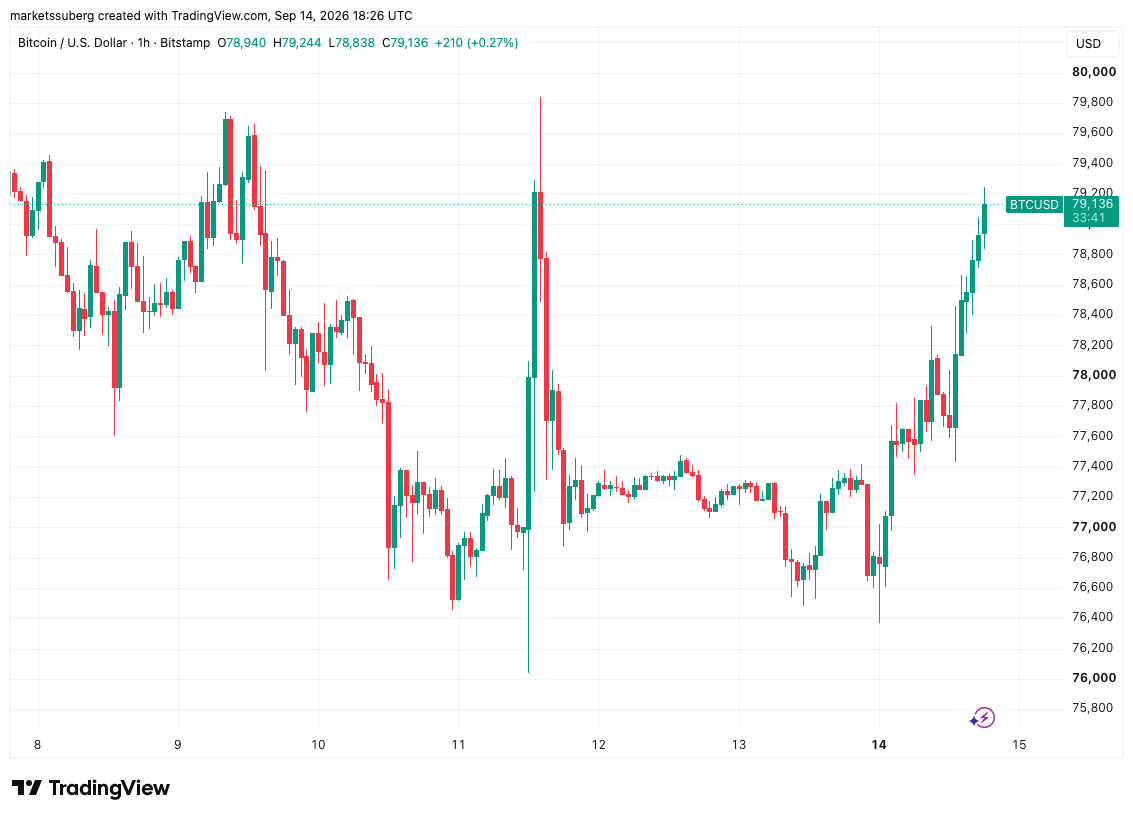
Bitcoin (BTC) made a notable resurgence, climbing back above the $79,000 mark during Monday’s Wall Street trading session, erasing weekend losses with an impressive 3% gain on the day. This upward movement in the premier cryptocurrency unfolded amidst a turbulent global landscape, characterized by escalating tensions in the Middle East and a highly anticipated interest rate decision from the U.S. Federal Reserve. The catalyst for Bitcoin’s latest rally appeared to be unexpected diplomatic overtures from former U.S. President Donald Trump, who suggested a potential de-escalation and swift resolution to the ongoing conflict with Iran. Simultaneously, this rhetoric triggered a decline in crude oil prices, which had been surging due to supply concerns stemming from the same geopolitical instability.
The initial hours of Monday saw a volatile market environment as investors grappled with a barrage of mixed signals concerning the simmering U.S.-Iran conflict. Bitcoin, often observed for its correlation with risk assets but also increasingly eyed as a potential safe-haven in times of economic or political uncertainty, demonstrated its resilience. Data from TradingView illustrated BTC/USD’s sharp recovery, quickly regaining lost ground and positioning itself for further upside if the perceived reduction in geopolitical risk holds. This move underscored the growing influence of macro-geopolitical events on the cryptocurrency market, moving beyond purely technological or adoption-driven narratives.
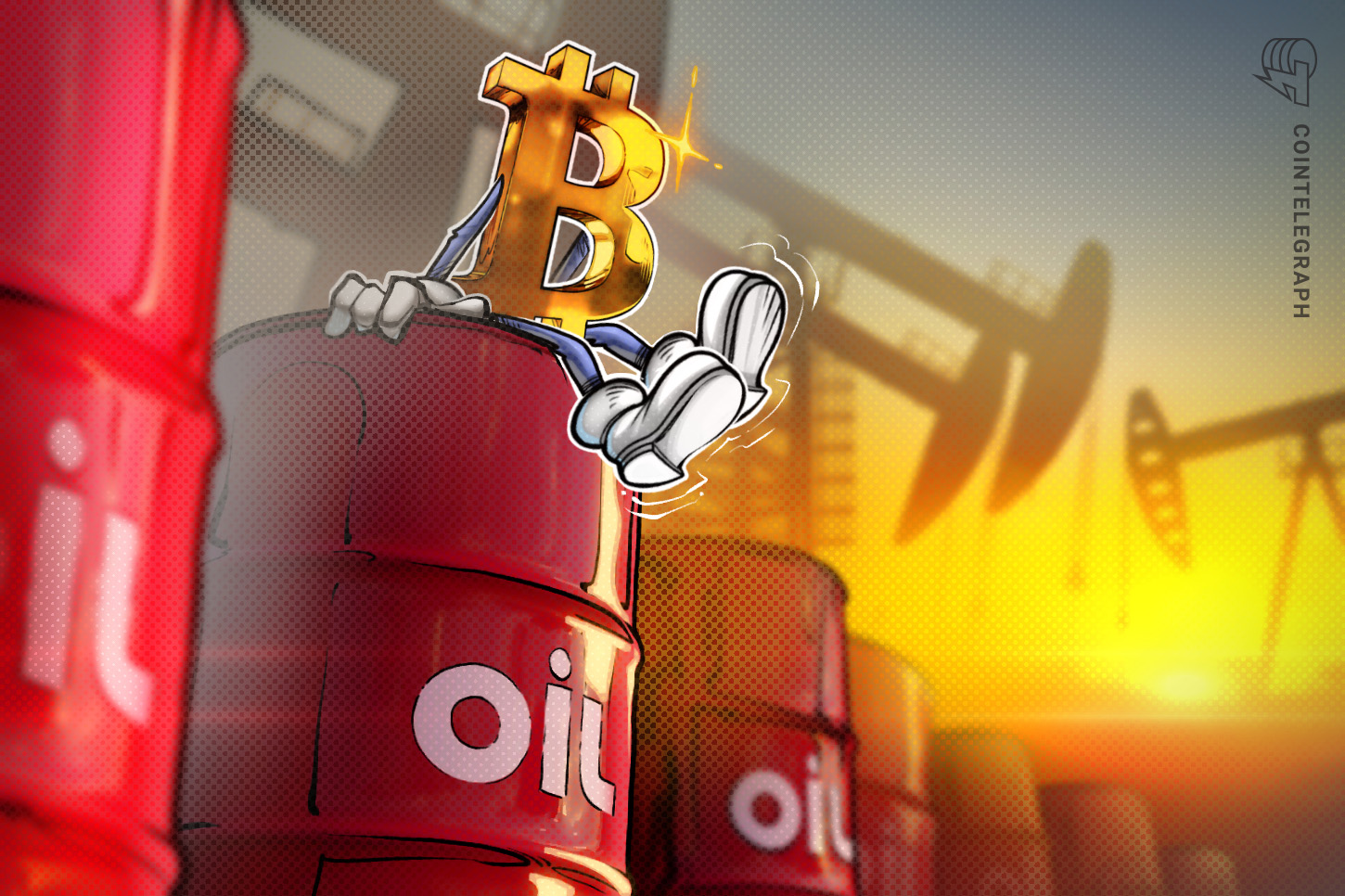
A pivotal moment for crypto markets arrived with former President Trump’s public statements regarding the Iran situation. Taking to his Truth Social platform, Trump articulated a more conciliatory stance, stating, "The failing Nation of Iran wants to make a deal, quickly and badly. I will determine whether or not the U.S.A. will choose to engage – The concept of which we are open to." This declaration, hinting at a diplomatic resolution rather than continued military confrontation, was immediately interpreted by markets as a positive development. For Bitcoin, which often sees increased interest during periods of global instability as investors seek alternative stores of value, a de-escalation of conflict could theoretically reduce its safe-haven appeal. However, in this instance, the broader market relief from potential global economic disruption seemed to fuel a general appetite for risk assets, including Bitcoin, which was also reacting to other macroeconomic cues.
Traditional equity markets, particularly U.S. indices, experienced a more nuanced reaction. The S&P 500 initially gained at the Wall Street open but subsequently turned red, registering a 0.3% decline by the time of writing. This divergence from Bitcoin’s performance highlighted ongoing investor apprehension, particularly concerning the vulnerability of crucial oil-transit routes in the Middle East. The expansion of the conflict beyond Iran itself had brought critical choke points, such as the Strait of Hormuz—through which a significant portion of the world’s oil supply passes—under threat. Additionally, Saudi Arabia’s East-West pipeline and the Bab El-Mandeb Strait, vital for Red Sea shipping, faced increased risks, contributing to the persistent uncertainty plaguing global energy markets.
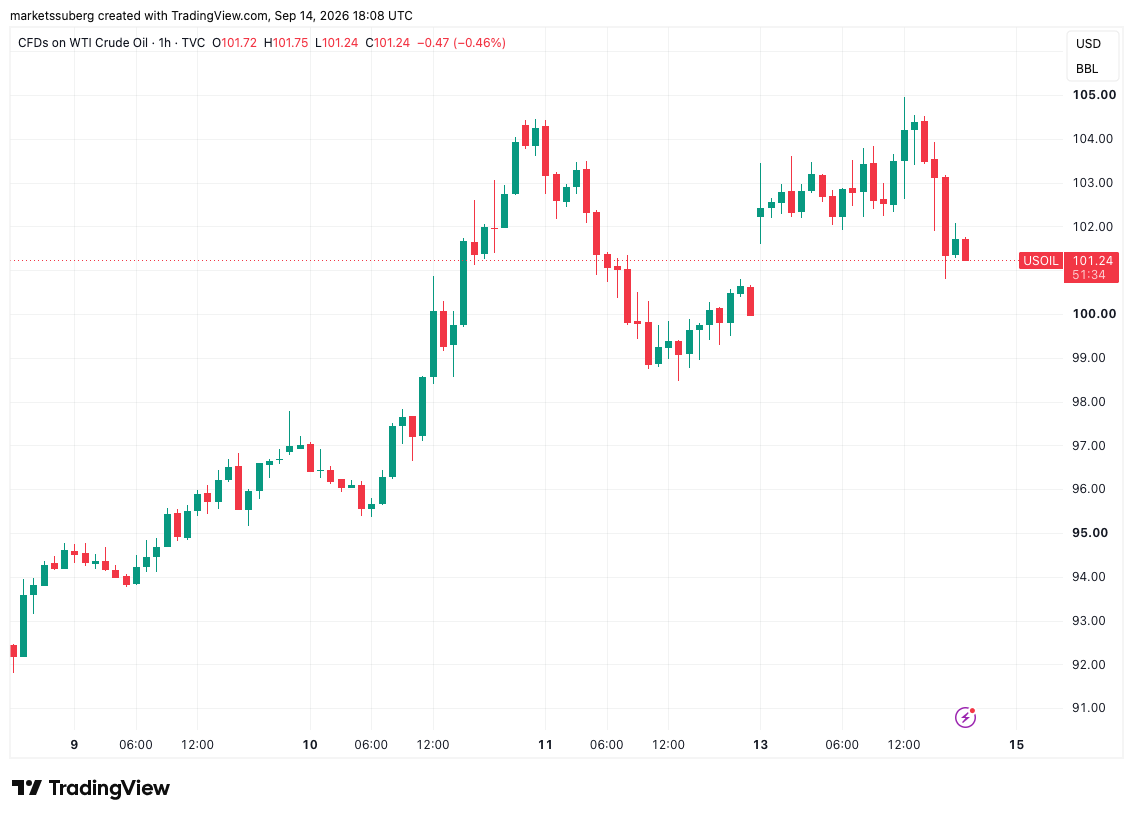
Indeed, the oil market remained on edge for much of the day. U.S. West Texas Intermediate (WTI) crude oil maintained a price above $100 per barrel, while Brent crude traded at $105 per barrel. These elevated prices reflected the market’s deep-seated anxiety over potential supply disruptions, even as diplomatic rhetoric offered a glimmer of hope. However, Trump later reinforced his prediction of lower oil prices, directly linking them to a swift end to the Iran conflict. In a subsequent Truth Social post, he declared, "With the temporary exception of Oil, prices are coming down sharply, and Oil will drop like a rock as soon as the Military Conflict with Iran is over, and that will not be long." This more definitive statement had an immediate effect, causing crude oil prices to dip, underscoring the market’s sensitivity to signals of de-escalation, especially from a figure with historical influence on geopolitical discourse.
Beyond the immediate geopolitical headlines, the broader economic environment continued to be dominated by the looming Federal Reserve interest rate decision. The latest data from CME Group’s FedWatch Tool revealed an overwhelming probability of a rate hike, with the odds of an increase climbing to 92.7% from 59.4% just a week prior. Markets were largely pricing in a 25-basis-point hike, which would push the federal funds rate target to 3.75-4%. This certainty around the rate hike itself shifted market focus towards the Fed’s accompanying language and forward guidance.
Trading company QCP Capital provided insightful commentary on these developments, emphasizing the direct impact of sustained high oil prices on U.S. financial policy. They posited that a prolonged disruption in energy markets, leading to elevated energy costs, would inevitably feed into transport and logistics pricing. This inflationary pressure could, in turn, constrain the Federal Reserve’s ability to pause its tightening cycle, even if broader economic growth showed signs of slowing. As QCP elaborated, "This dynamic creates policy tension: continued energy prices could keep the Fed restrictive, while economic data weakness from higher energy costs could argue for patience." This delicate balance highlights the complex challenge facing central bankers: combating inflation without stifling economic growth, a task made even more precarious by external geopolitical shocks.
For risk assets like Bitcoin, the implications of the Fed’s decision, and particularly its communication, were paramount. QCP Capital suggested that a 0.25% hike had largely been priced into market expectations, implying less volatility would stem directly from the decision itself. This assessment was supported by the relatively muted market response to the previous week’s Consumer Price Index (CPI) inflation data, which, despite signaling persistent inflationary pressures, did not trigger a dramatic market reaction. Consequently, the focus has pivoted to the specific wording and tone employed by Fed officials. "This containment reflects a shift in focus: the binary question of whether the Fed will hike has been answered; the critical issue for positioning is now how policymakers frame the move and what it signals about the path ahead," QCP noted. Investors will be scrutinizing every word for clues regarding the future trajectory of monetary policy, including the potential for further hikes or a eventual pause, and how these might affect liquidity and appetite for risk.
From a technical analysis perspective, Bitcoin’s recovery was particularly significant. BTC/USD managed to reclaim its 50-week exponential moving average (EMA) at $77,430 on Monday, after having initially closed the weekly candle below this critical level. As reported by Cointelegraph and widely recognized by analysts, the 50-week EMA serves as a key support target for Bitcoin bulls, often acting as a demarcation line between bear and bull market trends. Successfully re-establishing above this EMA is interpreted by many as a bullish signal, indicating renewed strength and the potential for a sustained upward trend. A failure to hold this level, conversely, could suggest further downside risk. The battle for this moving average reflects the broader tug-of-war between bullish and bearish sentiment in the market, influenced by both fundamental macroeconomic factors and technical trading patterns.
In conclusion, Monday’s market action presented a microcosm of the current global economic and geopolitical landscape. Bitcoin’s surge past $79,000, juxtaposed with a dip in oil prices, underscored the immediate impact of shifting geopolitical narratives, particularly those from influential figures like Donald Trump. These movements occurred against a backdrop of imminent monetary policy tightening by the Federal Reserve, where the nuances of central bank communication now hold more sway than the rate hike itself. The delicate balance between managing inflation, responding to energy market volatility, and navigating geopolitical uncertainties creates a complex environment for all asset classes. For Bitcoin, its continued resilience and ability to react to macro events suggest its increasing integration into the global financial ecosystem, where its price action is a barometer of both specific crypto-market dynamics and broader global forces. The coming days, with the Fed’s announcement and continued monitoring of Middle East developments, will be crucial in determining the immediate direction for both digital and traditional markets.