anjir abdul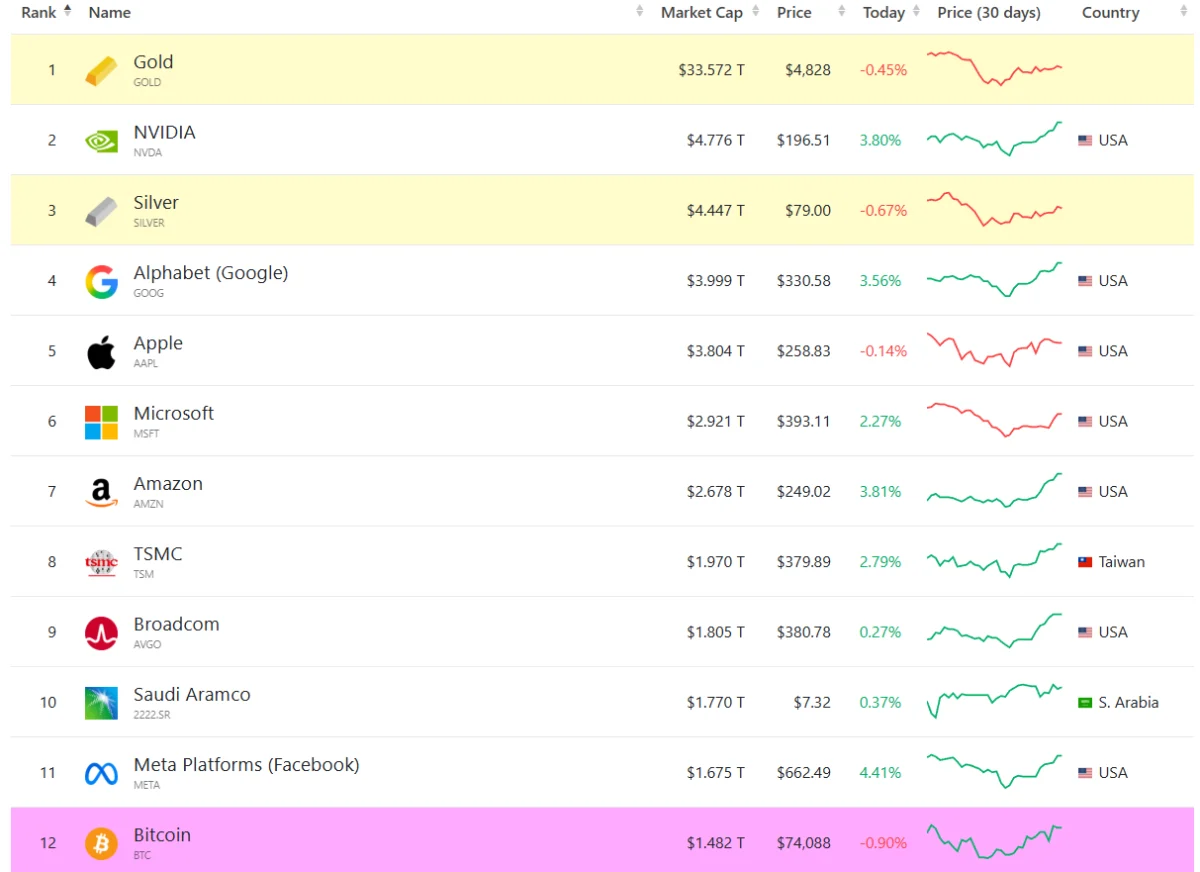
In a significant announcement made on Wednesday, eToro revealed its agreement to acquire Zengo, a pioneering self-custodial crypto wallet provider. This acquisition marks a profound deepening of eToro’s foray into on-chain products, underscoring the enduring centrality of digital assets to its overarching business strategy. The integration of Zengo’s innovative wallet technology is poised to substantially broaden eToro’s offerings, paving the way for enhanced capabilities in rapidly evolving sectors such as tokenized assets, sophisticated prediction markets, perpetual contracts, and high-yield products. While the precise terms of the deal remained undisclosed by eToro, a report from Bloomberg, citing a source familiar with the matter, indicated a transaction value of approximately $70 million, predominantly structured as a cash acquisition.
Speaking at Paris Blockchain Week, a prominent global event for the blockchain and crypto community, eToro CEO Yoni Assia elaborated on the strategic rationale behind the Zengo acquisition. He emphasized that this move is integral to eToro’s concerted efforts to attract and cater to a more "crypto-native" user base. By expanding beyond its traditional regulated brokerage products, eToro is making a decisive push into the critical domain of self-custody infrastructure. This pivot reflects a broader industry trend where users are increasingly seeking greater control over their digital assets, a sentiment amplified by recent high-profile events in the crypto space that have highlighted the risks associated with third-party custody.
Zengo’s technology is particularly noteworthy for its innovative approach to self-custody, employing multi-party computation (MPC) to eliminate the need for traditional seed phrases. This "keyless" and "seedless" security model significantly enhances user experience and security, making self-custody more accessible and less prone to human error. For eToro, integrating such advanced technology means it can offer its users a robust, secure, and user-friendly gateway to the burgeoning world of decentralized finance (DeFi) and other on-chain applications, aligning with the ethos of true digital asset ownership. This strategic enhancement is expected to solidify eToro’s position as a comprehensive platform capable of serving both novice investors and experienced crypto enthusiasts.

Crypto activities have not merely been a peripheral offering for eToro; they have transformed into an indispensable and substantial revenue driver for the platform. The company’s financial disclosures for 2025 painted a compelling picture, with eToro reporting an impressive total revenue and income of $13.8 billion. A staggering $12.98 billion of this figure was directly attributable to revenue generated from crypto assets, underscoring the profound impact of the digital asset market on eToro’s financial health and strategic direction. This dominance of crypto-derived revenue firmly establishes eToro as a major player in the cryptocurrency ecosystem, validating its continued investment and focus in this sector. The Zengo acquisition is a logical extension of this trend, aiming to capture a larger share of the value created within the self-custody and on-chain product segments.
During his fireside chat at Paris Blockchain Week, Yoni Assia also reiterated his ambitious long-term outlook for Bitcoin, projecting a significant rally that would propel the leading cryptocurrency beyond the $250,000 mark. Assia acknowledged the prevailing market slowdown, predicting that the current period of downside would persist for approximately another quarter. Following this, he anticipates Bitcoin will transition into an accumulation phase, laying the groundwork for its eventual ascent. "Bitcoin is on the path eventually to $250,000, $500,000 and beyond," Assia declared, signaling strong conviction in the cryptocurrency’s long-term growth trajectory and its potential to reach unprecedented valuations. His forecast is rooted in a belief that despite short-term fluctuations, the fundamental drivers for Bitcoin’s adoption and value appreciation remain intact and powerful.
Assia’s $250,000 Bitcoin price target places him among a cohort of prominent industry figures who have voiced similarly bullish predictions. Notably, BitMEX co-founder Arthur Hayes, known for his incisive market commentary, has previously championed a $250,000 Bitcoin target, often linking it to macro-economic factors such as quantitative easing and global liquidity. Similarly, Robert Kiyosaki, the bestselling author of "Rich Dad Poor Dad," has consistently advocated for Bitcoin, publicly stating his intention to buy more and setting his sights on a $250,000 price point for the digital asset, alongside gold. These shared sentiments among influential voices underscore a segment of the market that believes Bitcoin’s intrinsic value and scarcity will inevitably drive it to much higher valuations, transcending its current market position.
However, the crypto market remains a realm of diverse opinions and considerable uncertainty, and not all large companies share such unequivocally bullish trajectories for Bitcoin for the remainder of the year. Some prominent firms express caution, questioning the unwavering relevance of the widely discussed four-year market cycle theory, which historically ties Bitcoin’s major rallies to its halving events. For instance, Galaxy Digital, a leading diversified financial services and investment management company in the digital asset sector, has urged investor caution. The firm characterized the year ahead as "too chaotic to predict," citing a confluence of looming uncertainties. These include significant geopolitical developments, the highly anticipated US midterm elections which could reshape regulatory landscapes, and the shifting monetary policy stances of central banks worldwide. Such macro-economic and political factors introduce substantial volatility and unpredictability, making definitive price predictions exceptionally challenging. This divergence in outlook highlights the complex interplay of technological adoption, market psychology, and global economic forces that shape Bitcoin’s price movements.

Should Bitcoin indeed achieve a price point of $250,000, the implications for its market capitalization would be nothing short of monumental. Such a valuation would necessitate Bitcoin’s price to increase by approximately 3.3-fold from its current levels, translating into an astonishing market capitalization of roughly $5 trillion. This colossal sum would propel Bitcoin from its current standing as the world’s 12th largest asset to become the world’s second-largest asset, surpassing all but gold, according to data compiled by CompaniesMarketCap. A $5 trillion market cap would signify a profound shift in global financial architecture, cementing Bitcoin’s status as a formidable store of value and a legitimate contender to traditional safe-haven assets. This re-ranking would not only validate the long-held beliefs of maximalists but also trigger a wave of institutional adoption and regulatory frameworks designed to accommodate an asset of such immense scale and influence. The ripple effects would extend across various sectors, from banking and investment to international trade and national economies, fundamentally altering perceptions of digital assets.
eToro’s acquisition of Zengo, alongside CEO Yoni Assia’s bold Bitcoin predictions, positions the company at the forefront of the evolving cryptocurrency landscape. By embracing self-custody and expanding its on-chain product suite, eToro is clearly signaling its commitment to a future where digital assets play an even more central role in global finance. While the path to a $250,000 Bitcoin may be fraught with volatility and macro-economic headwinds, the strategic moves by industry leaders like eToro demonstrate a profound belief in the long-term potential of this transformative technology. As the crypto market continues to mature, the convergence of user-friendly self-custody solutions and ambitious price targets from influential figures will undoubtedly shape its trajectory for years to come.
Disclaimer: This article provides general information and does not constitute financial advice. Readers should conduct their own research and consult with a qualified financial professional before making any investment decisions.