Imroatul Nasiyah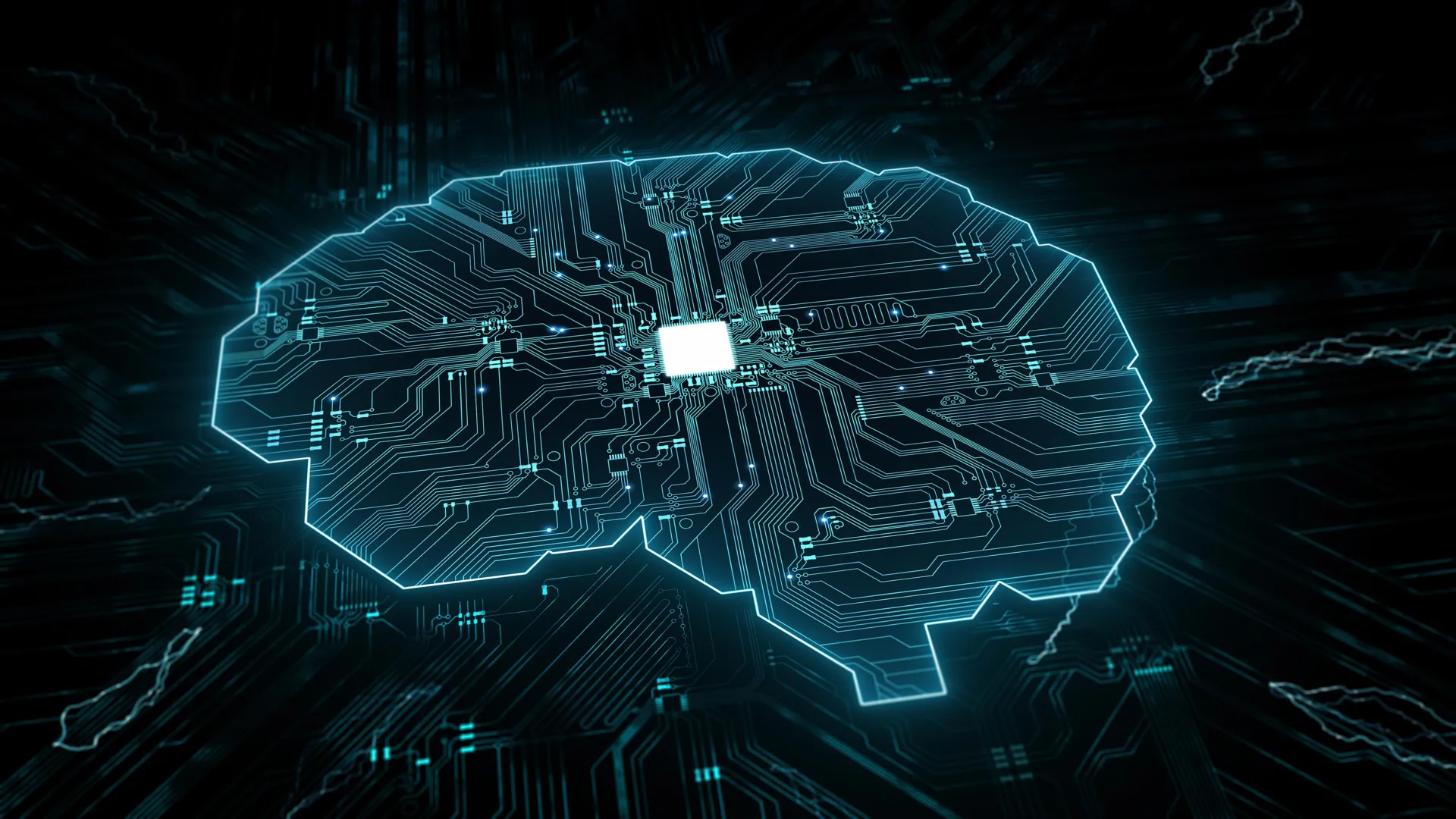
The implications of this development for the nascent field of quantum computing are profound. Quantum computers, the harbingers of a new era of computational power, rely on an intricate web of sophisticated control electronics to precisely manage qubits. These qubits, the fundamental building blocks of quantum computation, are exquisitely sensitive entities that demand an environment of extreme cold, specifically millikelvin temperatures, to maintain their delicate quantum states. Current silicon-based control systems, while functional, are notoriously power-hungry and generate a significant amount of unwanted heat. This thermal output necessitates their placement at a considerable distance from the qubits themselves, leading to an extensive and complex network of wiring. Such extensive wiring not only introduces performance bottlenecks but also significantly complicates the ambitious task of scaling up quantum computers to larger, more powerful configurations.
Professor Yuhao Zhang eloquently articulated the transformative potential of their innovation, stating, "Our work introduces a hardware platform that can be integrated directly alongside quantum processors." This seamless integration is a paradigm shift from current approaches. He further elaborated on the material’s unique advantages: "By utilizing the unique carrier dynamics inherent in silicon carbide, we can create circuits that are thousands of times more energy-efficient than conventional electronics, thereby significantly reducing the thermal load imposed on cryogenic systems." This drastic reduction in energy consumption and heat generation is a critical hurdle cleared in the race to build practical and scalable quantum computers.
The research team’s deep dive into the cryogenic behavior of Silicon Carbide yielded remarkable insights. They discovered that SiC MOSFETs exhibit a pronounced "S-shape" NDR effect when cooled below 2 Kelvin (K). This distinctive behavior is not an incidental artifact but is intrinsically driven by a physical phenomenon known as electron-donor impact ionization (EDII). What sets this mechanism apart from other technologies that rely on heat generated within a device is that the newly observed effect arises directly from the fundamental atomic properties of the material itself. This intrinsic nature makes the behavior exceptionally stable and reliably reproducible across different manufacturing batches, a crucial factor for industrial adoption and the development of robust quantum hardware.
Xin Yang highlighted the practical advantages of their chosen material and approach, emphasizing its scalability and robustness. "This is a robust and scalable approach," he asserted. He further underscored the accessibility of their technology: "Because SiC is already widely used globally in critical applications such as electric vehicles and power grids, we can leverage existing industrial foundries to manufacture these cryogenic chips on 300-mm wafers." This existing manufacturing infrastructure significantly accelerates the path from laboratory discovery to real-world implementation, making the prospect of widespread adoption far more tangible.
Beyond the realm of quantum computing, the HKU team’s research also opens doors to other cutting-edge applications. Their study successfully demonstrated the ability to link these artificial neurons together, a process known as "cascading," into larger, more complex networks. This capability holds immense promise for enabling advanced, localized data processing directly at cryogenic temperatures. Such on-site processing could significantly enhance critical quantum computing functions, including the vital processes of quantum error correction and real-time quantum control, areas that have been persistent challenges in the development of fault-tolerant quantum computers.
The potential applications of this brain-inspired cryogenic hardware extend far beyond the confines of quantum computing. The inherent resilience and reliability of these circuits in extremely cold environments make them exceptionally valuable for the demanding requirements of deep space exploration. Imagine future spacecraft equipped with these advanced processing units, capable of functioning flawlessly in the harsh and unforgiving conditions found on the lunar surface or in the frigid, distant reaches of our solar system. This could revolutionize data acquisition, analysis, and autonomous decision-making in environments previously thought to be too extreme for complex computation.
The groundbreaking findings of this research were formally published in the prestigious scientific journal Nature Communications. The paper, titled "Cryogenic neuromorphic circuits using gate-controlled negative differential resistance in silicon carbide," details the intricate methodology and the profound results achieved by Professor Zhang and his team, marking a significant milestone in the ongoing quest for more efficient, scalable, and powerful computing technologies. This work represents a crucial step forward, bridging the gap between fundamental materials science and the realization of transformative technological applications that could redefine our capabilities in computation and exploration. The integration of neuromorphic principles with cryogenic engineering, powered by the unique properties of Silicon Carbide, offers a compelling vision for the future of computing, one that is both inspired by nature and engineered for the most extreme environments.