anjir abdul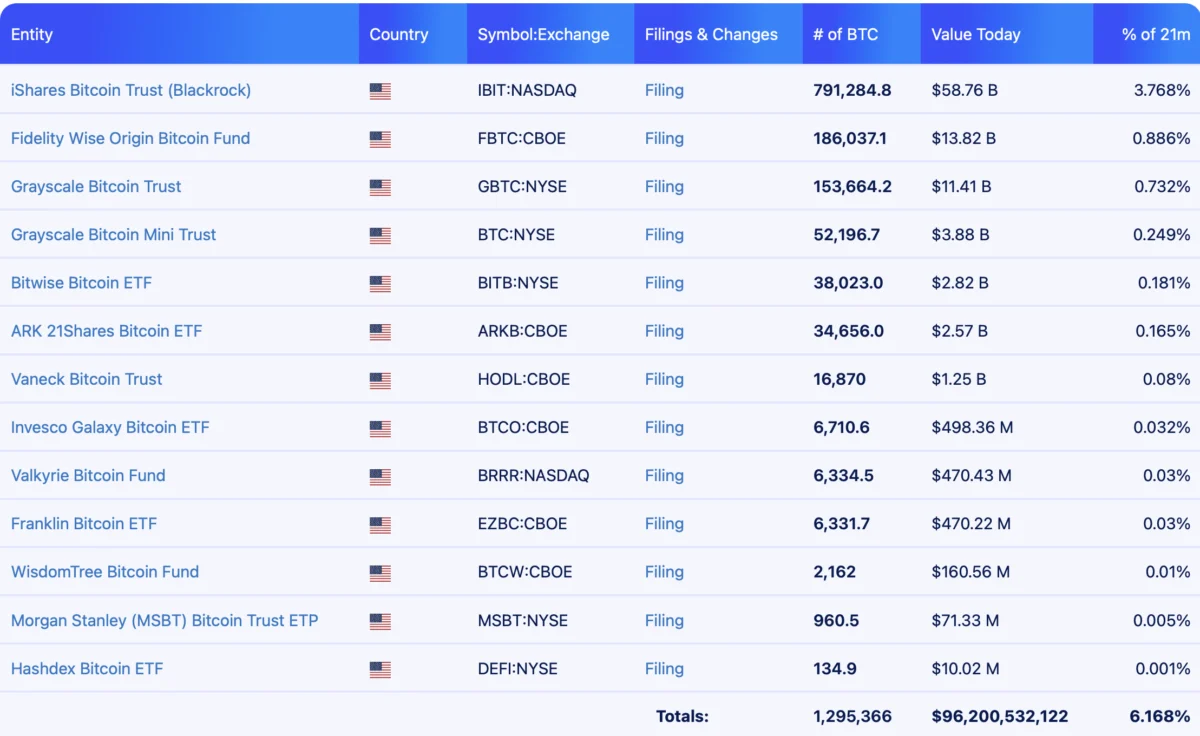
Bitwise Asset Management has significantly broadened the institutional gateway to the digital asset ecosystem with the launch of its spot Avalanche exchange-traded product (ETP), offering investors not only direct exposure to the native Avalanche token (AVAX) but also the compelling advantage of yield generation through integrated staking. This innovative financial instrument, trading under the ticker BAVA on the NYSE since Wednesday, marks a pivotal moment for the burgeoning altcoin ETP market, signaling a maturation beyond mere spot price tracking.
The core differentiator of Bitwise’s BAVA ETP lies in its strategic approach to staking. Bitwise plans to stake approximately 70% of its AVAX holdings directly through its proprietary in-house infrastructure, Bitwise Onchain Solutions. This dedicated unit is designed to participate actively in the Avalanche network’s validation process, a fundamental mechanism for securing the blockchain and processing transactions. In return for this participation, the ETP stands to earn staking rewards, which are paid in additional AVAX tokens. This mechanism effectively allows investors in BAVA to passively benefit from the underlying network’s operational economics, a feature traditionally only accessible to direct token holders with the technical expertise and capital to run validator nodes or delegate their tokens. To ensure operational fluidity and meet potential redemption requests, Bitwise maintains a prudent liquidity reserve of about 30% of its AVAX holdings. This balance between yield generation and liquidity management is crucial for the ETP’s stability and investor confidence.
On its debut, the BAVA fund demonstrated a positive market reception, closing up approximately 1.5% at $25.50 per share, according to Yahoo Finance data. Concurrently, the Avalanche token (AVAX) itself saw a modest increase of 1.8%, trading at $9.52 on CoinMarketCap. The ETP carries a sponsor fee of 0.34%, a competitive rate in the digital asset ETP landscape. Furthermore, Bitwise has introduced a temporary waiver, reducing the fee to 0% for the first month on the initial $500 million in assets, an incentive designed to attract early adoption and significant capital inflows. Importantly, the fund is structured to distribute net investment income, encompassing these staking rewards, to shareholders periodically, providing a tangible return stream that mirrors traditional income-generating investments. As of mid-April, Avalanche staking rewards were reported to be around 5.4%, a substantial yield in today’s financial markets, further enhancing BAVA’s appeal.
At its heart, Avalanche is a high-performance, Layer-1 blockchain platform engineered for speed, scalability, and security. Its architecture is built for high throughput and low latency, meaning it can process a large volume of transactions quickly and efficiently, making it suitable for enterprise-grade applications and decentralized finance (DeFi). The network leverages a unique consensus mechanism known as the Avalanche consensus protocol, which combines the benefits of Nakamoto consensus (used by Bitcoin) with classical consensus protocols, allowing for high transaction finality and robust security. This technological prowess has positioned Avalanche as a preferred platform for a diverse array of use cases, ranging from sophisticated tokenization initiatives to enterprise pilots. Notable projects include collaborations with the Fédération Internationale de Football Association (FIFA) for digital collectibles, state-level stablecoin efforts in Wyoming, and significant undertakings by corporate giants like Toyota. Even traditional asset managers, including BlackRock, have explored the Avalanche ecosystem for various financial applications, underscoring its growing legitimacy and utility within both the crypto and traditional finance spheres.
The launch of Bitwise’s BAVA is not an isolated event but rather part of a broader wave of increasing institutional engagement with Avalanche. Just last week, Nasdaq filed with the U.S. Securities and Exchange Commission (SEC) to list shares of the VanEck Avalanche Trust, a proposed ETF that also aims to provide direct exposure to AVAX under rules governing commodity-based trust shares. While VanEck’s filing signals another significant step towards mainstream adoption, Bitwise’s immediate launch with integrated staking offers a unique value proposition. Furthermore, the CME Group, a leading derivatives marketplace, recently expanded its crypto futures offerings to include Avalanche (and Sui) contracts, providing professional traders with more sophisticated tools to manage risk and speculate on AVAX price movements. These parallel developments collectively paint a picture of Avalanche rapidly gaining traction as a recognized and investable digital asset class within established financial frameworks.
This expanding embrace of altcoin ETPs, particularly those incorporating yield-generating features like staking, mirrors and builds upon the transformative impact of spot Bitcoin ETFs. The launch of these products earlier this year has proven to be a watershed moment for the crypto market, providing regulated and easily accessible avenues for institutional and retail investors to gain exposure to Bitcoin (BTC) without the complexities of direct custody. Consequently, exchange-traded crypto products and publicly traded companies are accumulating an increasingly significant portion of Bitcoin’s circulating supply.

According to data compiled by BitBO.io, Bitcoin ETFs now collectively hold over 1.29 million BTC, representing more than 6% of the total circulating supply. This substantial accumulation underscores the success and demand for these regulated investment vehicles. Beyond ETFs, public companies have also significantly bolstered their Bitcoin treasuries, holding an additional 1.17 million BTC on their balance sheets, as reported by BitcoinTreasuries.NET. When combined, the holdings of ETFs and corporate entities now account for an impressive approximately 12% of Bitcoin’s entire circulating supply, demonstrating a profound shift in asset allocation towards digital gold by major players.
Among the leading Bitcoin ETFs, BlackRock’s iShares Bitcoin Trust (IBIT) has emerged as a dominant force, accumulating approximately 791,000 BTC, which accounts for roughly 3.8% of the total supply. Grayscale’s Bitcoin Trust (GBTC), though experiencing outflows following its conversion to a spot ETF, still holds a significant 153,600 BTC, or about 0.7% of the total supply. These figures highlight the scale at which traditional finance is integrating Bitcoin into its product offerings and investment strategies.
The institutional foray into the crypto market extends beyond asset managers to include major banks. Earlier this month, the Morgan Stanley Bitcoin Trust (MSBT), notable as the first spot Bitcoin ETF offered by a U.S. bank, recorded a robust $30.6 million in inflows on its trading debut, generating approximately $34 million in first-day volume. This move by Morgan Stanley signals a critical validation of crypto as an investable asset class by traditional banking institutions. Further cementing this trend, Goldman Sachs recently filed with the SEC to launch a Bitcoin-linked exchange-traded fund designed with an income-generating strategy. This proposed fund aims to invest in existing Bitcoin ETPs and simultaneously sell call options, a sophisticated approach intended to generate income while strategically limiting exposure to Bitcoin’s characteristic price volatility. Such innovative product designs indicate a growing sophistication in how traditional finance approaches crypto investments, seeking to balance growth potential with risk management.
Beyond the realm of financial institutions, MicroStrategy, under the leadership of Michael Saylor, remains a pioneering force as the first Bitcoin treasury company. Its aggressive accumulation strategy has resulted in holdings of 780,897 Bitcoin, representing around 4% of the total supply. This corporate strategy exemplifies a long-term conviction in Bitcoin as a primary treasury reserve asset. Even governments globally have entered the fray, collectively holding around 3% of the circulating Bitcoin supply, with approximately 649,870 BTC on their balance sheets. The United States leads this group with about 328,000 BTC, followed by China with roughly 190,000 BTC, and the United Kingdom with over 61,000 BTC, often acquired through seizures and forfeiture, demonstrating the asset’s evolving role in national and international financial landscapes.
The broader cryptocurrency market, while showing robust institutional adoption, has also experienced its share of volatility. Bitcoin, which recently reached new all-time highs earlier in the year, is currently trading around $75,100 per CoinGecko data, reflecting dynamic market conditions. This fluctuating environment underscores the importance of diversified investment strategies and the appeal of products like Bitwise’s BAVA that offer potential yield generation to mitigate some of the inherent volatility.
In conclusion, Bitwise’s launch of the Avalanche ETF with staking exposure represents a significant leap forward in the institutionalization of the digital asset market. By offering both direct exposure to AVAX and the added benefit of staking rewards through a regulated ETP, Bitwise is paving the way for a new generation of crypto investment products that appeal to traditional investors seeking both capital appreciation and passive income. This development, coupled with the ongoing success of Bitcoin ETFs and the increasing engagement from major financial institutions and corporations, solidifies the growing integration of cryptocurrencies into mainstream finance, promising a more accessible and sophisticated landscape for digital asset investments in the years to come.