Faris Adani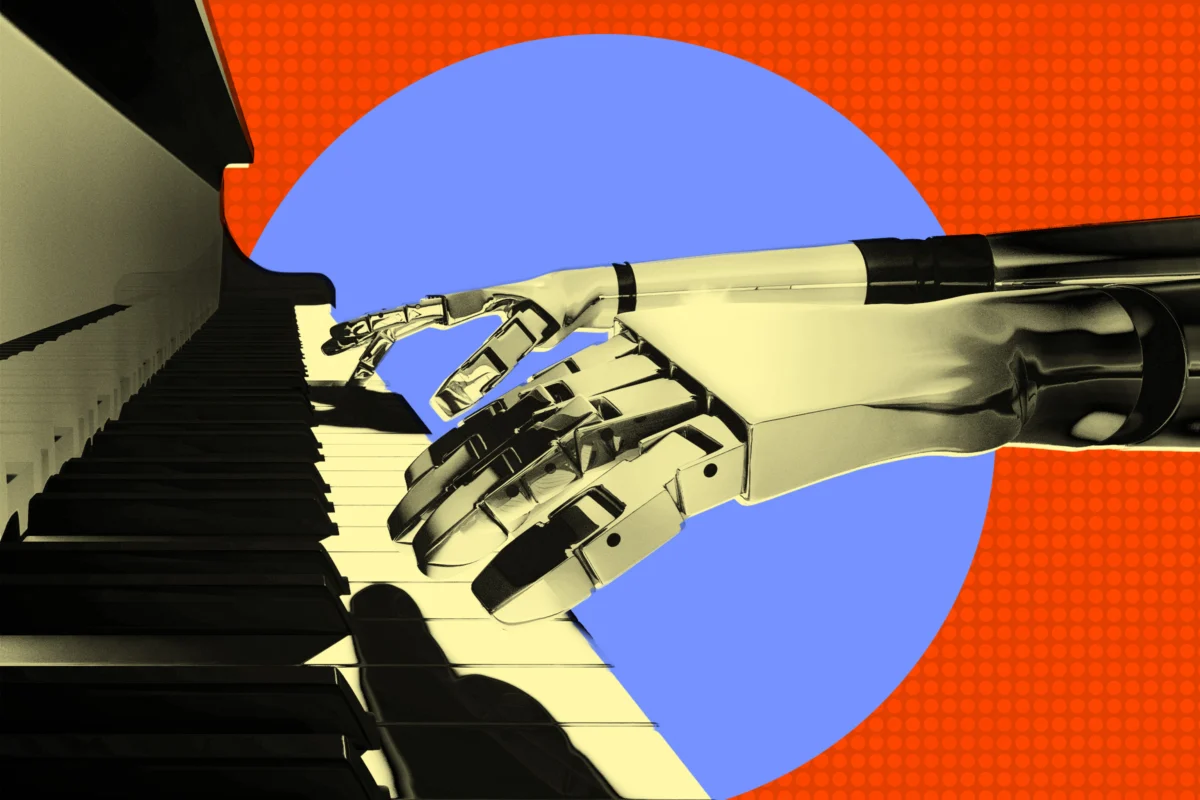
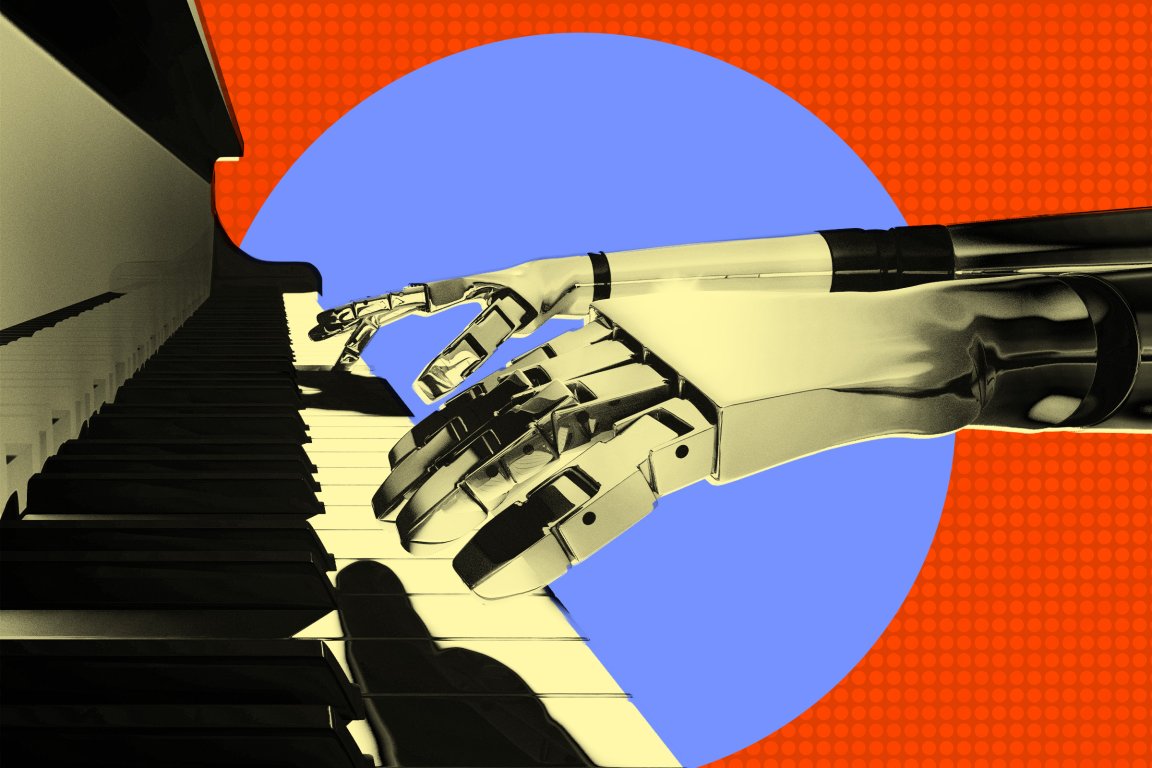
Illustration by Tag Hartman-Simkins / Futurism. Source: Getty Images
Sign up to see the future, today
Can’t-miss innovations from the bleeding edge of science and tech
A groundswell of protest is rising from the hallowed halls of the Berklee College of Music in Boston, as hundreds of students and alumni have united to oppose a new academic offering: a course on generative AI music and songwriting. This collective dissent, solidified by an online petition, marks a significant escalation in the ongoing, often acrimonious, debate between the artistic community and the burgeoning field of artificial intelligence. For many artists, AI represents not innovation, but an existential threat to their livelihoods and the very essence of human creativity.
As of Tuesday, a robust 418 individuals had affixed their names to the petition, directly targeting the two-credit course, provocatively titled “Bots and Beats: AI and the Future of Songwriting.†Beyond merely questioning the curriculum, the petition issues a broader, more fundamental demand: that Berklee cease its integration and promotion of AI technologies across its campus. This isn’t just about one course; it’s a statement about the institution’s perceived embrace of a technology many believe is fundamentally at odds with artistic integrity.
The core of the petitioners’ outrage stems from the accusation that the school is actively promoting tools like OpenAI’s ChatGPT. Organizers of the petition eloquently articulate their concerns, stating that such technologies “steal the art of [tens of thousands] of artists and rot the essence of the industry and have devastating consequences on the environment all to create facsimiles of real human art.†This statement encapsulates multiple layers of critique: the ethical dilemma of data sourcing, the perceived degradation of artistic quality, and even the often-overlooked environmental footprint of large-scale AI operations.
The discussion section accompanying the petition quickly became a vibrant, often furious, forum for current and former students to air their grievances. A recurring theme was profound disappointment that Berklee, an institution globally renowned for nurturing and launching the careers of countless human musicians and composers, would seemingly align itself with a technology widely implicated in the unauthorized appropriation and theft of original musical works. This sentiment reflects a deep-seated fear that the very institution meant to protect and advance their creative aspirations is, instead, ushering in their potential obsolescence.
One alumni’s comment captured this sense of betrayal succinctly: â€C;Very unfortunate behavior from an esteemed creative/music college. Do better, Berklee. You represent so many of us and so many great artist’s futures, don’t ruin it by damaging the craft.†Another graduate echoed this, expressing personal outrage: â€C;As a Berklee grad, I’m appalled at the questionable use of AI in creative classes, and if I were a paying student now, I’d be angry being told to use it in place of struggling through every assignment fully myself.†These comments highlight not only the ethical concerns but also a pedagogical anxiety: the fear that AI tools might circumvent the rigorous, often challenging, creative process that is fundamental to artistic development.
The official description for “Bots and Beats: AI and the Future of Songwriting†outlines a curriculum designed to explore how AI-aided songwriting can both assist and hinder musical creativity. It also promises discussions on the â€C;impact of AI on the music industry (both helpful and harmful), and on the future careers of music makers.†While seemingly balanced, for many students, the mere inclusion of such a course at a foundational level sends a troubling message about the institution’s priorities and its vision for the future of its graduates. The fear is that “exploring” AI’s potential might inadvertently legitimize its more problematic applications, particularly those infringing on human artists’ rights.
The concerns raised by the Berklee students are far from isolated. The music industry has become a primary battleground in the broader conflict over generative AI. Artists globally, from independent creators to superstar performers, are grappling with the ramifications of AI models trained on vast datasets of copyrighted music without consent or compensation. This training process, often described as “data laundering” by critics, allows AI to generate new compositions in the style of existing artists, blurring the lines of authorship and intellectual property. Major record labels, including Universal Music Group, have initiated legal actions against AI companies, citing widespread copyright infringement. These lawsuits underscore the gravity of the threat perceived by the industry, suggesting that the “theft of countless original songs” is not merely hyperbole but a tangible and legally contested reality.
Beyond copyright, the economic implications are dire. The rise of AI-generated music threatens to flood streaming platforms, making it even harder for human artists to gain visibility and earn royalties. As pointed out by Futurism’s earlier reporting, AI-generated content is already beginning to crowd out human creations, leading to a devaluing of authentic artistry and potentially pushing emerging musicians out of a viable career path. For students investing significant time and money into a music education, this prospect is terrifying. They are not just learning an art form; they are preparing for a profession that AI seems poised to disrupt, or even dismantle, from within.
The petition’s mention of â€C;devastating consequences on the environment†also adds another critical dimension to the debate. The training and operation of large generative AI models consume enormous amounts of computational power, translating into substantial energy consumption and a significant carbon footprint. As institutions increasingly commit to sustainability, integrating technologies with such environmental costs without critical examination raises questions about consistency and ethical responsibility.
In response to the growing outcry, Berklee College of Music provided a statement to WBZ, asserting its position as an â€C;artist-first institution at the forefront of contemporary music and performing arts education.†The statement continued, â€C;Berklee has a responsibility to prepare our students to navigate technologies impacting the creative industries. We will continue to do so, in keeping with our guiding principles.†While this statement attempts to position Berklee as forward-thinking and responsible, it has been widely perceived as insufficient. Futurism’s assessment that the statement is â€C;lukewarm†reflects a broader sentiment that it fails to adequately address the profound ethical and practical concerns articulated by the students. It speaks to a perceived disconnect between the administration’s strategic vision and the immediate, visceral anxieties of its student body.
The institutional dilemma faced by Berklee is a microcosm of a larger challenge confronting all creative education programs. How does one prepare students for a future where powerful AI tools are ubiquitous without compromising the foundational values of human artistry, originality, and ethical practice? Is it possible to teach students to “navigate” these technologies in a way that empowers them rather than makes them complicit in their own displacement? Many argue that such courses, if implemented, must go beyond mere tool usage, diving deep into critical analysis, ethical frameworks, copyright law, and the cultivation of uniquely human creative skills that AI cannot replicate.
For the students and alumni of Berklee, this isn’t just an academic debate; it’s a fight for the future of their chosen profession. Their protest is a powerful reminder to institutions that technological advancement, particularly in creative fields, cannot be pursued in a vacuum, divorced from ethical considerations, industry impact, and the deeply personal connection artists have to their craft. Whether Berklee will heed the passionate voices of its community and recalibrate its approach to AI education remains to be seen. However, something tells us from this lukewarm statement that Berklee will do little to allay the fears of students and alumni alike, setting the stage for a continued, and likely intensified, clash over the soul of music in the age of artificial intelligence.