isnaini azizah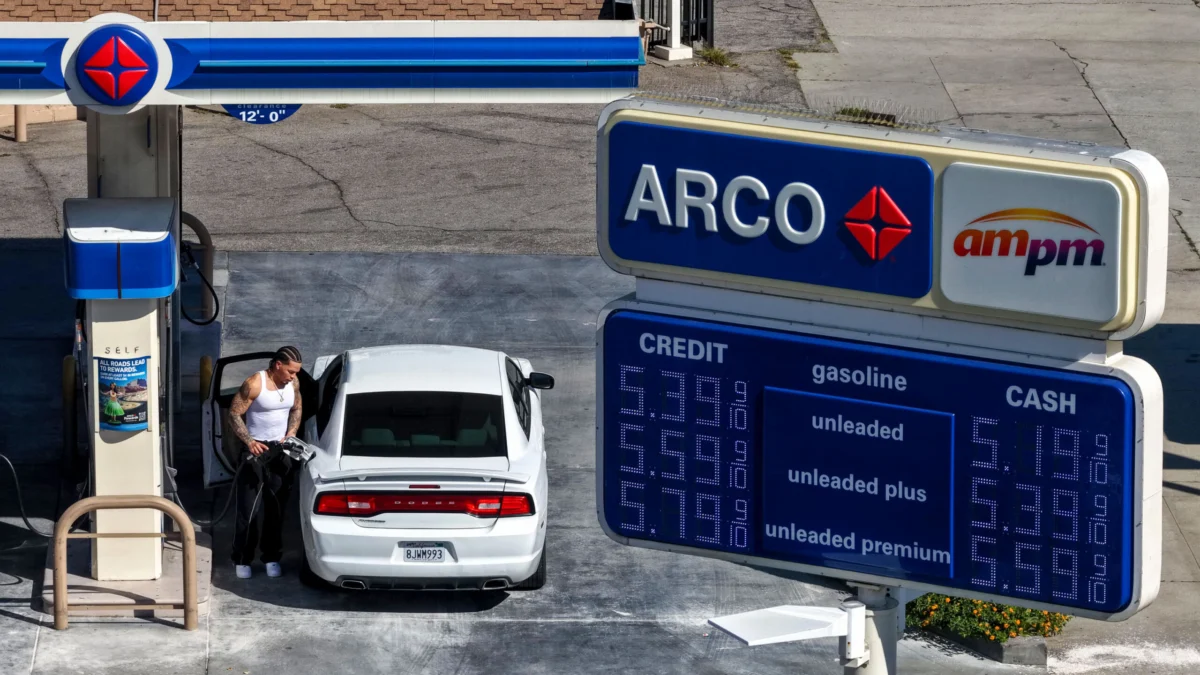
The recent surge in global fossil fuel prices, exacerbated by escalating geopolitical tensions in Iran, has brought the cost of gasoline into sharp focus, even for those who, like myself, are carless city dwellers reliant on public transportation. As of March 25th, average gas prices in the U.S. have climbed to $3.98 a gallon, a significant jump from below $3 before the conflict intensified. This volatility has sparked a palpable sense of schadenfreude among some electric vehicle (EV) owners, who have taken to social media and op-eds to proclaim, "I told you so." While this moment undeniably presents a compelling opportunity for EVs to gain traction worldwide, the ramifications of sustained high fossil fuel prices extend far beyond the immediate benefits for EV adoption and warrant broader concern, even for those not directly impacted by car ownership.
Historically, periods of elevated fossil fuel prices have served as powerful catalysts for shifts in consumer behavior and automotive innovation. The oil crises of the 1970s, for instance, prompted a mass migration towards smaller, more fuel-efficient vehicles. This seismic shift proved to be a golden age for Japanese automakers, whose offerings were inherently better aligned with this emerging consumer preference than those of their American counterparts. Today, we are witnessing early indications of a similar trend. An online car marketplace in the U.S. reported a 20% increase in EV search traffic following the initial attacks on Iran, with popular models like the Tesla Model Y experiencing nearly double the usual interest. This enthusiasm is not confined to the U.S.; a car dealership outside London is reportedly struggling to meet demand, resorting to sending staff to purchase more EVs at auction. Similarly, a dealership in Manila shared with Bloomberg that it received a month’s worth of orders in just two weeks.
The timing of this heightened interest in EVs in the U.S. is particularly auspicious. The market is on the cusp of a wave of more affordable used EVs becoming available. A leasing boom initiated three years ago, bolstered by incentives from the Inflation Reduction Act, is now nearing its end. Approximately 300,000 leased EVs are set to return to the market this year, many of which are expected to be offered for sale, thereby increasing the supply of accessible pre-owned electric vehicles.
However, the threshold for widespread adoption may still be higher for many consumers. A survey by Cox Automotive suggests that a significant portion of U.S. consumers would only consider switching to an EV or hybrid if gas prices reach $6 per gallon. Yet, this current period of fossil fuel volatility marks the second major incident in the past five years, following the Russian invasion of Ukraine in the summer of 2022. This recurring instability, as noted by Elaine Buckberg, a senior fellow at Harvard, could be making consumers more receptive to making the switch to electric.
As a climate and energy reporter, my primary concern lies with addressing climate change, and any shift towards EVs or other emission-reducing alternatives is cause for optimism. However, a crucial aspect that often gets overlooked in the celebration of rising gas prices is their detrimental impact on the broader economy, affecting even those who are not directly tied to vehicle ownership. The cost of fuel constitutes a substantial portion, between 50% and 60%, of the expense associated with shipping goods internationally. Furthermore, the production of fertilizers, a critical component of global food security, is heavily reliant on natural gas, the price of which has significantly escalated since the conflict began, particularly in Europe.
The ripple effects of these price hikes are far-reaching. Jet fuel prices have reportedly doubled in the past month, according to the International Air Transport Association. Given that fuel costs represent roughly a quarter of an airline’s operating expenses, this surge is poised to translate into more expensive air travel and, consequently, higher prices for goods transported by air. The cumulative effect of these increased costs could potentially lead to an economic downturn. Such a downturn would inevitably impact large-scale projects, including renewable energy installations like wind and solar farms, which require substantial financing. It would also make it more challenging for individuals to secure loans for major purchases, such as homes or vehicles, including EVs.
Therefore, while the current climate of high gas prices might be the impetus for some consumers to finally consider an electric vehicle, the broader economic implications are a cause for concern. Until our entire economy, not just our transportation sector, achieves true decarbonization, sustained high fossil fuel prices will continue to present economic challenges for everyone, even for those of us who remain unburdened by the responsibilities of car ownership. The transition to EVs is a vital step, but it is part of a larger, more complex economic and environmental ecosystem that requires broader solutions to ensure stability and prosperity.