Imroatul Nasiyah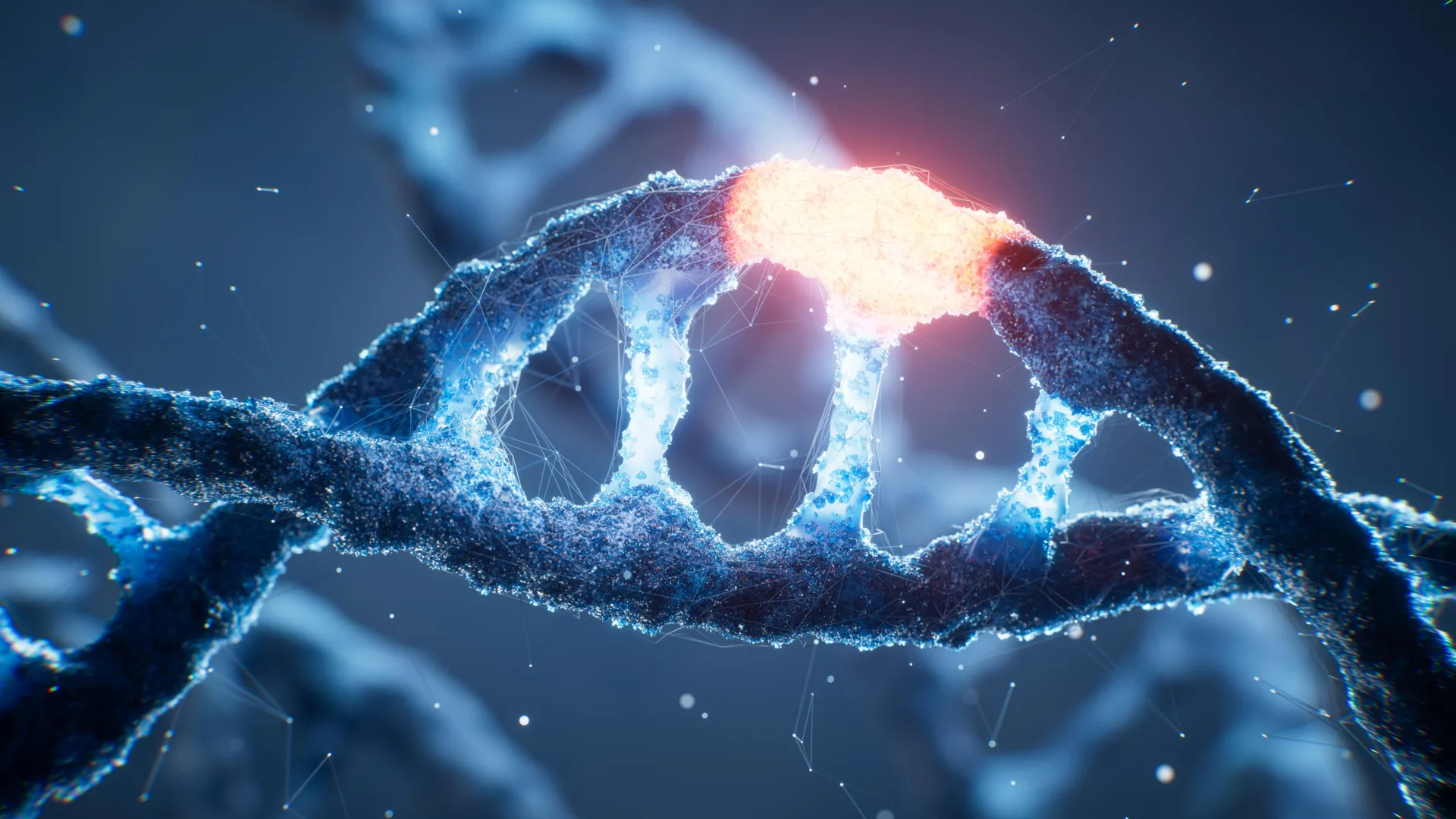
The intricate symphony of life, from the earliest stages of embryonic development to the continuous maintenance of adult tissues, hinges on the precise orchestration of tens of thousands of genes. These genetic instructions, encoded within our DNA, must be activated – or "switched on" – at specific times and in particular locations within our cells to ensure proper cellular function. This complex regulatory ballet is guided by specialized regions of DNA, acting as master conductors that direct the production of essential molecules like enzymes, hormones, and proteins. When this finely tuned process falters, leading to misplaced or erroneous gene activation, cells can deviate from their intended roles, paving the way for a spectrum of diseases, including the uncontrolled proliferation characteristic of cancer. Understanding these critical control mechanisms is paramount to unlocking the secrets of health and disease.
For decades, scientists have grappled with the challenge of deciphering the specific DNA sequences responsible for initiating gene expression. These crucial elements, known as "initiators," serve as the starting point for the conversion of genetic information into functional molecules. They essentially mark the gateway where the cellular machinery begins to read and translate the blueprint for a particular protein or RNA. In a groundbreaking study, researchers at the University of California San Diego, under the leadership of Professor James T. Kadonaga, have made a significant leap forward in understanding these fundamental DNA elements. Their work, spearheaded by graduate student researcher Torrey Rhyne-Carrigg, has successfully decoded the sequence pattern of the initiator, thanks to the powerful capabilities of artificial intelligence.
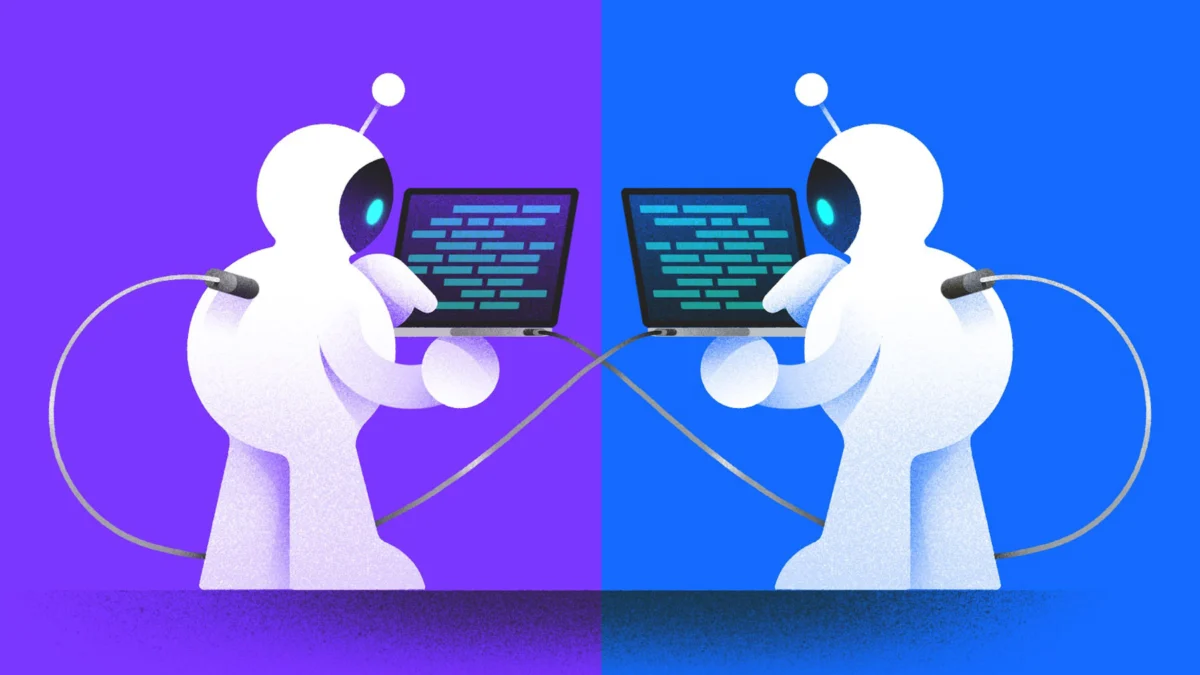
The research team employed a high-throughput DNA sequencing approach, a sophisticated technique that allows for the rapid and simultaneous analysis of vast amounts of genetic material. This allowed them to meticulously measure the gene expression activity across an astonishing array of approximately 500,000 distinct versions of the initiator sequence. This massive dataset provided the fertile ground for the application of cutting-edge machine learning, a powerful branch of artificial intelligence. By feeding these experimental results into the machine learning system, the researchers were able to train the AI to identify the subtle yet distinctive DNA patterns that characterize a functional initiator.
Once the AI model had successfully learned to recognize this unique "signature," the team then deployed it to scour the vast expanse of the human genome. Their search yielded a remarkable discovery: approximately 60% of human genes appear to contain this critical initiator element. This finding underscores the widespread importance of initiators in regulating gene expression across a substantial portion of our genetic landscape. Professor Kadonaga elaborated on the significance of this breakthrough, stating, "These AI models were found to provide, for the first time, strong predictions of the presence or absence of the initiator in human genes, and were thus able to decode the DNA base sequence pattern of the initiator." This means the AI can now reliably predict whether a given DNA sequence contains an initiator and, more importantly, what that specific initiator sequence looks like.
The implications of this decoded initiator sequence are far-reaching and hold immense promise for the future of medical research and therapeutic development. One of the most immediate benefits lies in the ability to predict the impact of DNA mutations. Many genetic disorders and diseases arise from alterations, or mutations, in the DNA sequence. By understanding the precise sequence of the initiator, researchers can now better anticipate how mutations occurring within or near these regions might disrupt gene activity. This predictive power could be invaluable in understanding the molecular underpinnings of various inherited diseases and even in identifying predispositions to certain conditions. For instance, a mutation in an initiator sequence could lead to insufficient or excessive production of a vital protein, disrupting cellular homeostasis and contributing to disease.
Furthermore, the data generated and the AI models developed in this study are poised to accelerate the design of synthetic gene regulatory elements. Scientists are increasingly interested in engineering artificial sequences that can precisely control gene activity, either turning genes on or off as needed. These "synthetic promoters" have enormous potential in a variety of applications, from developing novel gene therapies to engineering organisms for specific industrial purposes. The ability to accurately predict the function of an initiator sequence, and to design new ones with tailored properties, opens up a new frontier in genetic engineering. Imagine being able to precisely control the expression of a gene in a cancer cell to halt its growth, or to boost the production of a therapeutic protein in a patient’s own cells.
On a broader scale, this research serves as a powerful testament to the synergistic potential of combining rigorous laboratory experimentation with the analytical prowess of artificial intelligence. It demonstrates how these two seemingly disparate fields can converge to unlock complex biological information that has remained hidden within the vastness of our DNA. Professor Kadonaga highlighted this broader significance, stating, "More globally, this work is a step forward in the combined use of laboratory experiments and AI to decipher the information that is embedded in the sequence of the DNA bases in humans." The human genome is often described as a complex code, and this study represents a significant advancement in our ability to read and understand that code.
The ultimate goal, as envisioned by Professor Kadonaga, is to develop AI models capable of deciphering the entire "gene expression code" within the six billion DNA bases present in each of our cells. Such a comprehensive model would revolutionize our understanding of human biology. It would empower us to predict how variations in an individual’s DNA sequence might influence the activity of their genes, and consequently, their susceptibility to diseases or their response to treatments. The ability to forecast the activity of different gene variants in different people could pave the way for truly personalized medicine, where treatments are tailored to an individual’s unique genetic makeup.
The AI model developed for the initiator, while a "small but important part" of this grander vision, represents a crucial stepping stone. It validates the approach and provides a tangible demonstration of what can be achieved when experimental data and AI are integrated. Professor Kadonaga expressed optimism for the future, concluding, "The new AI model for the initiator is a small but important part of this gene expression code, and I am optimistic that we will expand our AI models of the human gene expression code in the not-too-distant future." This pioneering work not only decodes a fundamental aspect of gene regulation but also illuminates a promising path forward for unraveling the remaining mysteries encoded within our DNA, ultimately leading to profound advancements in human health and well-being. The decoded initiator acts as a beacon, guiding us towards a deeper understanding of the intricate mechanisms that govern life itself.