Imroatul Nasiyah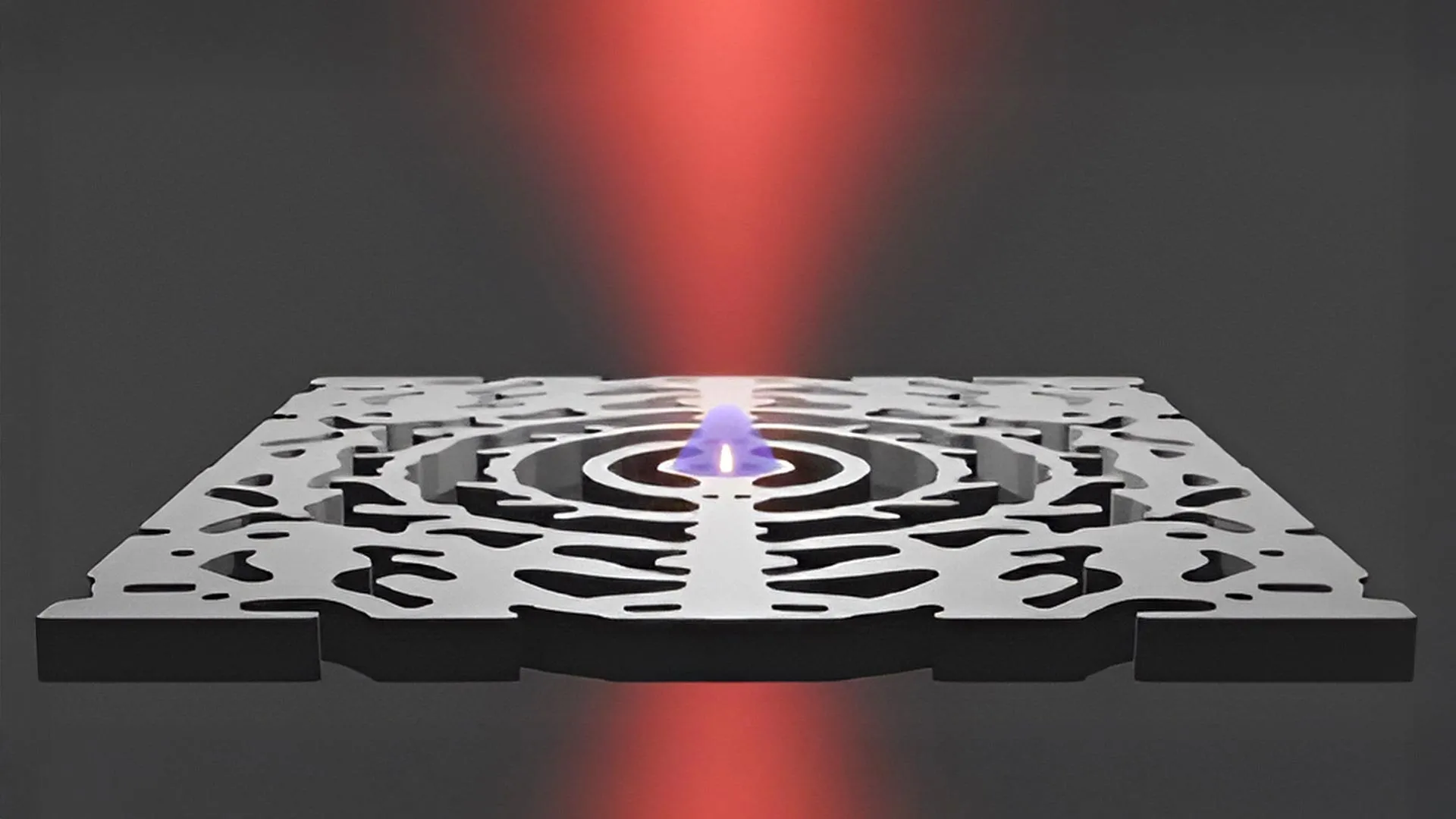
The implications of this tiny laser are far-reaching. Imagine a future where thousands, even millions, of these minuscule lasers are integrated onto a single microchip. Instead of the cumbersome and energy-intensive process of moving information via electrical signals, data would be transmitted at the speed of light, using photons. This fundamental shift in how data is processed and moved within our electronics could unlock unprecedented levels of performance and efficiency.
DTU Professor Jesper Mørk, a leading figure in this research, highlights the transformative potential: "The nanolaser opens up the possibility of creating a new generation of components that combine high performance with minimal size." He elaborates on its impact across various sectors, stating, "This could be in information technology, for example, where ultra-small and energy-efficient lasers can reduce energy consumption in computers, or in the development of sensors for the healthcare sector, where the nanolaser’s extreme light concentration can deliver high-resolution images and ultrasensitive biosensors." Professor Mørk, alongside colleagues Drs. Meng Xiong and Yi Yu from DTU Electro, spearheaded this pivotal study.
The core of this innovation lies in the fundamental difference between how data travels today and how it could travel in the future. Much of the internet’s backbone already relies on the speed and efficiency of light, with information zipping through fiber optic cables. However, within the confines of our computers and smartphones, data still largely navigates through electrical circuits. This electrical transmission, while functional, is inherently limited. It generates heat, a significant factor in device performance and energy consumption, and it can bottleneck the speed at which information is processed.
Nanolasers offer a compelling solution by bringing optical communication directly onto the microchip. By generating light signals with exceptional efficiency right where the data needs to be, these lasers could enable information to flow with minimal energy loss. This could translate into devices that are not only faster and cooler but also consume a fraction of the energy they do today. Professor Mørk estimates that the integration of nanolasers into computers could lead to an astonishing reduction in energy consumption, potentially cutting it by as much as half.
The compact DTU nanolaser is a crucial stepping stone towards this photonic computing future. Future chips designed for light-based communication would necessitate an intricate network of thousands of these extremely small and highly efficient lasers, working in concert to orchestrate the rapid transmission of data across the chip.
One of the most significant achievements of the DTU team is their success in breaking the conventional size limitations for lasers. Fabricated within the sterile environment of DTU’s clean room facility, DTU Nanolab, this nanolaser pushes the boundaries of miniaturization. At its heart lies a sophisticated structure known as a nanocavity. This meticulously engineered component acts as a trap, concentrating light within an exceptionally confined space. Previously, achieving such intense light confinement at this nanoscale had been an formidable challenge, often deemed impractical.
The magic happens when researchers direct a beam of light onto the device. This interaction causes both photons and electrons to converge within the same microscopic region. This synergistic interplay is what allows the nanolaser to function effectively, even at room temperature, and with remarkably low energy input. The underlying light-trapping structure itself is a testament to collaborative innovation, originally developed by Professor Ole Sigmund’s group at DTU Construct, further highlighting the interdisciplinary nature of this research.
While the current nanolaser operates with external light, the next major hurdle for widespread adoption is enabling it to function autonomously using electrical power. Successfully achieving this would unlock a cascade of transformative applications across computing, communications, and healthcare.
The potential impact on everyday technology is immense. Computers and smartphones could experience a paradigm shift in performance, delivering enhanced capabilities while drawing significantly less power. This would not only lead to longer battery life for mobile devices but also contribute to a more sustainable computing ecosystem. Data centers, which are notorious for their colossal energy demands, stand to benefit enormously. Substantial reductions in their energy consumption could translate into significant environmental advantages, helping to mitigate the carbon footprint of our digital world.
Beyond the realm of computing and data, the nanolaser’s ability to concentrate light into an incredibly small area holds immense promise for the healthcare sector. It could pave the way for the development of ultra-sensitive diagnostic sensors capable of detecting minute biological markers, and advanced high-resolution imaging systems that offer unprecedented clarity and detail.
The researchers are optimistic about the timeline for realizing these ambitious goals. They estimate that the remaining technical challenges, particularly the transition to electrical power, could be overcome within the next five to ten years. This suggests that the era of light-speed communication within our electronic devices is not a distant dream, but a tangible future within our grasp, thanks to the pioneering work of the DTU team. The nanolaser, a testament to human ingenuity and scientific collaboration, stands poised to redefine the very fabric of our digital existence, making it faster, more efficient, and more sustainable.