Faris Adani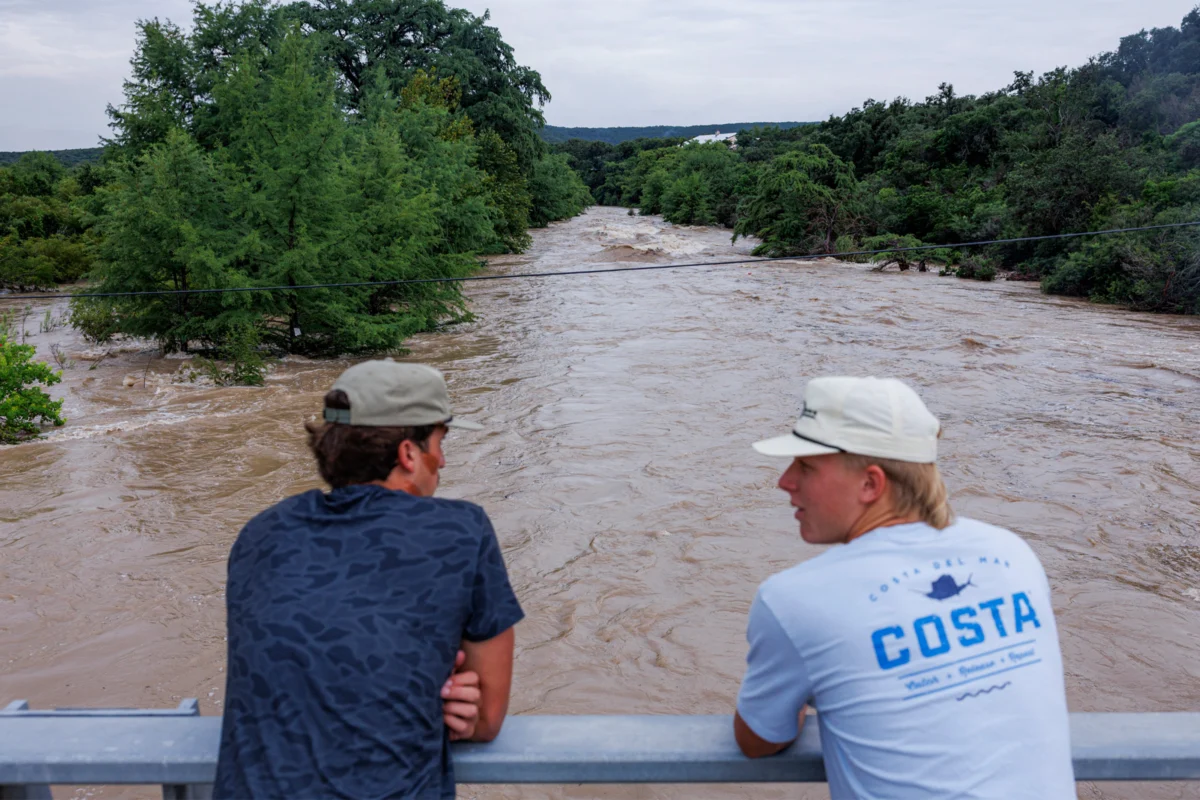
The United States finds itself in the grip of an unprecedented confluence of environmental calamities, a stark manifestation of a rapidly shifting global climate. From coast to coast, communities are battling a trifecta of extreme weather events: a suffocating heat dome baking the heartland, relentless wildfires turning skies hazy and air toxic, and catastrophic flooding submerging vast swathes of Texas. This cascade of crises, amplified by a powerful El Niño cycle and underpinned by escalating global carbon emissions, paints a grim picture of the immediate present and a foreboding vision of the future.
For weeks, an immense and stubborn heat dome has settled over much of the continental United States, transforming daily life into a struggle against oppressive temperatures. As of mid-July 2026, over 100 million Americans, from the arid Southwest to the humid Midwest, are living under extreme heat warnings, with forecasters predicting little respite for days to come. This atmospheric phenomenon, characterized by a ridge of high pressure that traps hot air near the surface and prevents cooler air from entering, has pushed thermometers past historic thresholds. Cities have reported consecutive days of triple-digit temperatures, straining power grids to their breaking points as air conditioning units work overtime. The human toll is immediate and severe, with a surge in heat-related illnesses such as heatstroke and exhaustion. Vulnerable populations – the elderly, young children, outdoor workers, and those without access to adequate cooling – bear the brunt of this extreme weather, highlighting profound inequalities in climate resilience. Beyond human health, the heat dome exacerbates drought conditions, dries out vegetation, and increases the risk of igniting and spreading wildfires, creating a dangerous feedback loop that fuels other disasters. Agricultural sectors face devastating crop losses, livestock suffer from heat stress, and infrastructure, from roads to railways, buckles under the intense thermal expansion.
Simultaneously, the skies over vast regions of North America, particularly the US Midwest and Northeast, have been transformed into a perpetual twilight by thick, acrid smoke. This atmospheric hazard is a direct consequence of dozens of major wildfires raging across the United States, but also, critically, from over 800 active blazes consuming forests in Canada. The scale of the Canadian fires, stretching from British Columbia to Quebec, is unprecedented, fueled by prolonged drought, exceptionally high temperatures, and vast expanses of dry, combustible vegetation. Prevailing winds have carried plumes of smoke thousands of miles southward, blanketing major metropolitan areas like New York City, Chicago, and Detroit in a choking haze. Air quality indexes have plummeted to "hazardous" levels, triggering widespread health alerts. Fine particulate matter (PM2.5) in wildfire smoke is a serious public health threat, capable of penetrating deep into the lungs and bloodstream, causing respiratory problems, aggravating asthma and chronic obstructive pulmonary disease (COPD), and increasing the risk of heart attacks and strokes. Schools have canceled outdoor activities, vulnerable individuals are advised to stay indoors, and the pervasive smell of burning timber serves as a constant, unsettling reminder of the environmental crisis unfolding. The economic impacts are also staggering, encompassing property damage, lost tourism revenue, massive firefighting expenditures, and disruptions to air travel and other logistics. Ecologically, these fires devastate ecosystems, destroy wildlife habitats, and release vast quantities of stored carbon into the atmosphere, further accelerating global warming.
While much of the nation grapples with fire and heat, Texas finds itself besieged by a deluge of biblical proportions. For the second consecutive year, communities along the Guadalupe River and throughout the state have been inundated by near-endless rainfall, triggering massive and life-threatening floods. The imagery is stark: streets transformed into raging rivers, homes submerged to their rooftops, and rescue teams scrambling to evacuate stranded residents. Tragically, at least one fatality has been confirmed, a somber indicator of the immediate danger. Thousands have been forced from their homes, their lives upended and livelihoods threatened. Over 57 counties, home to more than six million Texans, were placed under flood watches in recent days, a testament to the sheer geographical scale of the disaster. The sheer volume of rain, delivered by stalled atmospheric systems drawing immense moisture from the Gulf of Mexico, has overwhelmed drainage systems, burst riverbanks, and turned normally docile streams into torrents. The ground, already saturated from previous rainfall, has little capacity to absorb additional water, leading to rapid runoff and exacerbated surface flooding. With even more rain forecast, the prospect of immediate relief remains distant, prolonging the suffering and the arduous path to recovery. Infrastructure damage is extensive, including washed-out roads, compromised bridges, and overwhelmed municipal services, further isolating affected communities. The psychological toll on residents, particularly those who endured similar events just last year, is immense, fostering a sense of perpetual anxiety and vulnerability.
Stepping back from the individual calamities, it becomes undeniably clear that this harrowing cascade of extremes is not occurring in isolation. These overlapping wildfires, floods, and heat waves are not merely coincidental events; they are being profoundly amplified and intensified by the same overarching climate forces. A rapidly warming planet, primarily fueled by skyrocketing carbon emissions from human activities, including a significant contribution from the United States itself, is fundamentally altering global weather patterns. The El Niño-Southern Oscillation (ENSO) cycle, currently in its warm El Niño phase, is a natural climate phenomenon characterized by warmer-than-average sea surface temperatures in the central and eastern tropical Pacific Ocean. While El Niño naturally influences global weather, leading to predictable shifts like increased rainfall in some regions and drought in others, its effects are now being supercharged by anthropogenic climate change. A warmer atmosphere holds more moisture, leading to more intense rainfall events, as witnessed in Texas. Conversely, a warmer world also means increased evaporation, leading to more severe and prolonged droughts in other regions, which in turn primes landscapes for devastating wildfires, like those plaguing Canada and the Western US. The heat dome itself is consistent with projections for a warming planet, where such high-pressure systems become more frequent, persistent, and intense.
The scientific community has grown increasingly adept at attributing extreme weather events to climate change, moving beyond mere correlation to establishing causal links. Advanced climate models and statistical analyses demonstrate that while such events might have occurred naturally in the past, their current frequency, intensity, and geographical spread are profoundly altered by human-induced warming. This isn’t just about record-breaking temperatures; it’s about the entire climate system becoming more energetic and volatile. The consequences are far-reaching, impacting not only human lives and infrastructure but also ecosystems, economies, and national security. The economic burden of these recurring disasters is staggering, stretching federal and state emergency funds, driving up insurance premiums, and posing existential threats to agricultural and coastal communities. The mental health crisis accompanying these events, marked by trauma, displacement, and chronic stress, is also gaining urgent recognition.
In response to this escalating crisis, calls for more robust climate action are growing louder. While immediate emergency response and adaptation measures are critical for protecting lives and property, the long-term solution lies in aggressive mitigation of greenhouse gas emissions. This entails a rapid transition away from fossil fuels towards renewable energy sources, investment in sustainable infrastructure, and the implementation of policies that promote energy efficiency and carbon sequestration. The notion of geoengineering, such as "dimming the sun" to combat El Niño’s effects, as proposed by some scientists, reflects the desperate search for solutions in the face of mounting climate impacts, though such large-scale interventions carry their own set of profound risks and ethical dilemmas.
As the summer of 2026 rolls on, the devastation is far from over. The simultaneous crises gripping the United States serve as a visceral and undeniable testament to the urgent need for comprehensive and sustained action on climate change. The future of communities across the nation, and indeed the world, hinges on how effectively humanity responds to these accelerating environmental challenges. The window for meaningful intervention is rapidly closing, and the costs of inaction are becoming terrifyingly apparent.