anjir abdul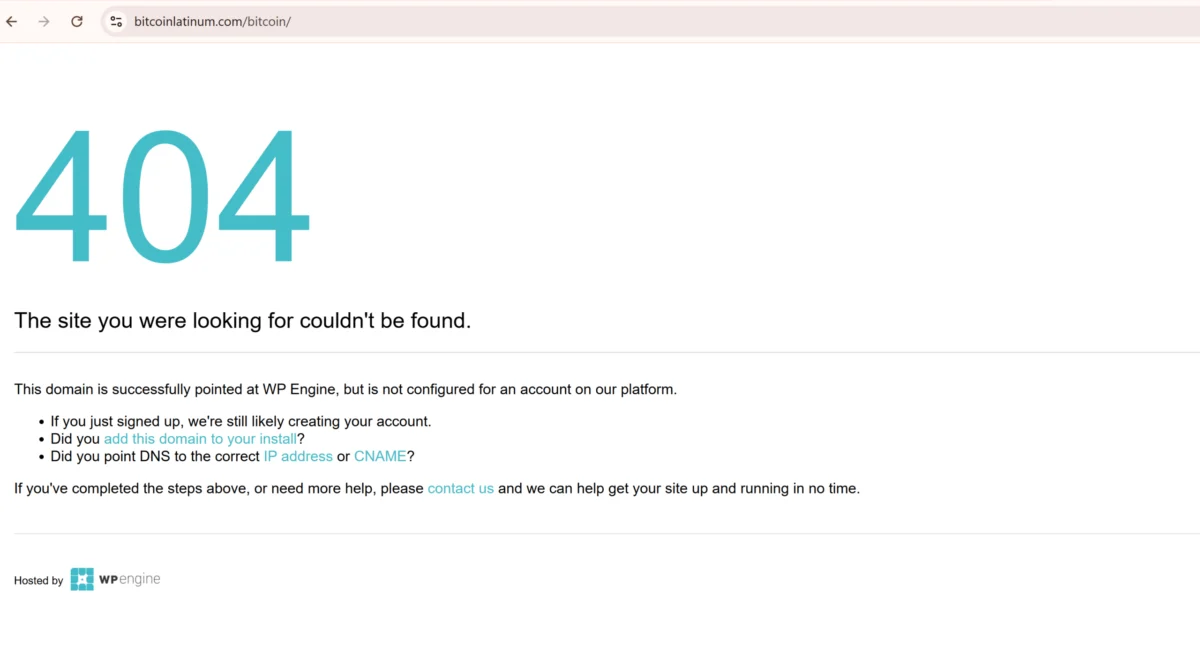
The complaint, which details activities between March and December 2021, reveals a pattern of misrepresentation that the SEC asserts constitutes a clear violation of securities laws. Basile’s companies offered investors Simple Agreements for Future Tokens (SAFTs), a common investment vehicle in the burgeoning crypto sector, promising future delivery of the Bitcoin Latinum token. SAFTs, designed to allow accredited investors to fund projects in exchange for future tokens, are often treated as securities themselves, bringing them under the purview of SEC regulation. In this instance, the regulator alleges that the promises underpinning these SAFTs were fundamentally false, creating a fraudulent offering from the outset.
A central tenet of the alleged fraud was the repeated assertion that Bitcoin Latinum was an "insured" and "asset-backed" cryptocurrency. These claims are highly attractive to investors in a market often characterized by volatility and perceived lack of security. The promise of insurance provides a false sense of safety, implying a safeguard against loss, while being "asset-backed" suggests inherent value and stability beyond mere speculation. However, the SEC’s investigation revealed a stark reality: no legitimate insurance company had ever provided coverage for Bitcoin Latinum, nor was there any verifiable proof to substantiate these crucial claims. This deliberate fabrication of security features is a critical element of the SEC’s case, highlighting the calculated nature of the alleged deception. Investors, operating under the assumption that their investments were protected, were instead exposed to total loss, demonstrating a significant breach of trust.
The timing of this enforcement action, while originating from activities in 2021, is particularly noteworthy when viewed through the lens of the SEC’s current regulatory philosophy under Chair Paul Atkins, who was appointed in 2025. While the initial events occurred during the early years of the Biden administration, following a period where the prior administration’s rhetoric sometimes leaned towards a more hands-off approach to crypto innovation, the Basile case now serves as a potent example of the type of egregious fraud that the current SEC is prioritizing. The agency has openly acknowledged a shift in its enforcement strategy, moving away from what it described as a historical focus on "case volume" and "book-and-record" violations that often yielded little direct benefit to investors. Instead, the SEC under Chair Atkins is now committed to a more targeted approach, emphasizing the pursuit of clear-cut fraud, market manipulation, and severe abuses of trust – precisely the characteristics attributed to the Bitcoin Latinum scheme.
The diversion of investor funds for personal enrichment forms another damning aspect of the SEC’s complaint. Basile allegedly represented that the millions raised would be used to support the underlying value and development of Bitcoin Latinum. In stark contrast, the SEC contends that a substantial portion of these funds was siphoned off for Basile’s personal lavish spending. This included significant real estate purchases, extensive credit card payments, and even the acquisition of a $160,000 horse. Such alleged misappropriation underscores a classic element of Ponzi-like schemes or outright fraud, where investor capital is not used for the stated purpose but rather to enrich the perpetrators, leaving the project unfulfilled and investors empty-handed. This stark discrepancy between promised use and actual expenditure paints a clear picture of deceptive practices, demonstrating a profound betrayal of investor confidence.

The remedies sought by the regulator are comprehensive and aim to not only penalize Basile but also to prevent him from engaging in similar activities in the future. The SEC is pursuing permanent injunctions, which would legally prohibit Basile from participating in future securities offerings. Furthermore, it seeks the disgorgement of allegedly ill-gotten gains, meaning Basile would be compelled to repay all funds acquired through the fraudulent scheme, along with pre-judgment interest. Civil penalties are also on the table, intended to punish the misconduct and deter others. Crucially, the SEC is also pushing for an officer-and-director bar, which would prevent Basile from holding leadership positions in public companies in the future. These measures collectively aim to hold Basile fully accountable for the alleged fraud and to protect the integrity of the financial markets.
The current status of Bitcoin Latinum’s online presence further corroborates the allegations of a defunct and potentially fraudulent enterprise. The official Bitcoin Latinum website, once the public face of the project, now reportedly displays a "404 error," indicating that the page or site no longer exists. This digital disappearance is a common red flag in crypto schemes that collapse, leaving investors with no product, no recourse, and no operational entity to address their concerns. The inability to access the project’s foundational online presence serves as a grim epilogue to the alleged fraud, providing a tangible sign of its ultimate failure and the likely loss for those who invested.
The Basile case stands as a significant illustration of the SEC’s renewed focus on investor protection in the digital asset market. Last week, the agency publicly articulated its concerns regarding past enforcement actions against crypto firms, stating that many did not directly benefit investors and often reflected an overemphasis on achieving high case volumes rather than delivering meaningful protection. The agency reported that since fiscal year 2022, it brought 95 actions and collected $2.3 billion in penalties for "book-and-record" violations. However, the SEC critically noted that several cases concerning crypto registration and dealer definitions failed to identify clear investor harm, suggesting a misallocation of enforcement resources and a misinterpretation of securities laws.
Under Chair Paul Atkins, the SEC has explicitly moved away from what it terms "regulation by enforcement," a strategy often criticized for creating uncertainty and stifling innovation by setting precedents through punitive actions rather than clear guidelines. Instead, the agency is now prioritizing cases involving blatant fraud, market manipulation, and serious abuses of trust. The Basile case, with its allegations of false claims, misappropriation of funds, and a complete lack of genuine product or insurance, perfectly aligns with this refined enforcement mandate. It represents the type of clear-cut investor harm that the current SEC is determined to combat, sending a strong signal that while the crypto market may offer innovation, it will not be a haven for deceptive practices that fleece unsuspecting individuals. This strategic pivot aims to restore confidence in the regulatory framework and ensure that legitimate innovation can thrive without being overshadowed by fraudulent schemes.
The broader implications of such enforcement actions resonate throughout the cryptocurrency ecosystem. They serve as a stark reminder to potential investors of the inherent risks in a largely unregulated or rapidly evolving market. The "due diligence" mantra becomes paramount, urging individuals to thoroughly research projects, scrutinize claims of backing or insurance, and be wary of promises that seem too good to be true, especially when coupled with opaque financial dealings or personal enrichment of project founders. For developers and entrepreneurs in the crypto space, the Basile case reinforces the critical importance of transparency, honest representation, and adherence to existing securities laws, even as the regulatory landscape continues to evolve. The SEC’s message is clear: while the agency is working towards clearer guidelines and a more targeted approach, egregious fraud will be met with decisive action, ensuring that the foundational principles of investor protection remain at the forefront of its mission.