anjir abdul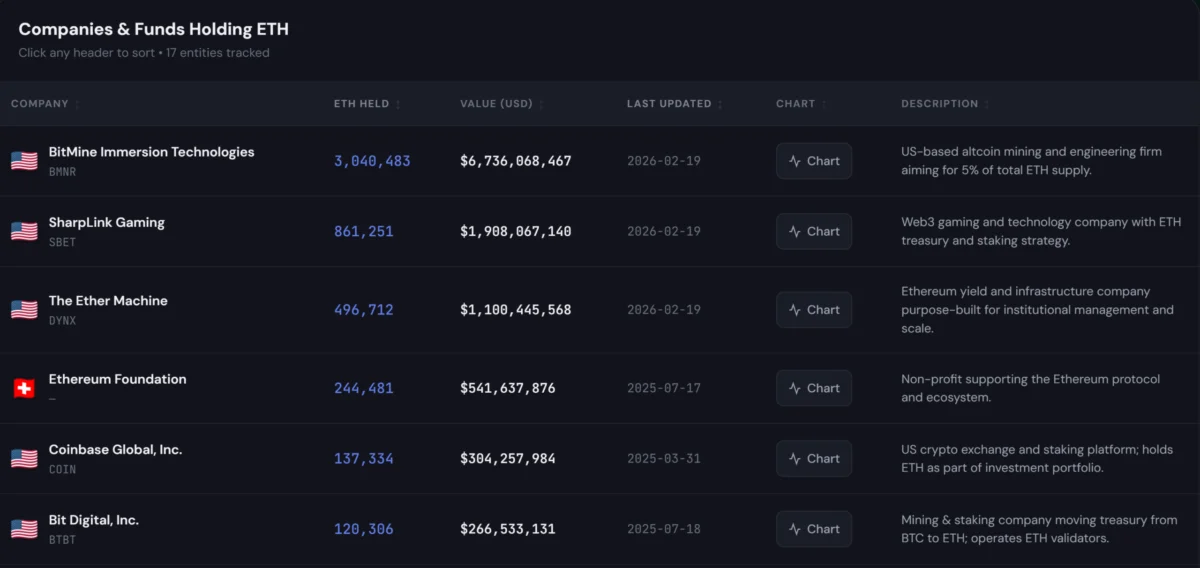
The highly anticipated public debut of Ether Machine, an ambitious firm dedicated to establishing the largest institutional Ether treasury and yield fund, has been abruptly called off following a mutual agreement with Dynamix Corporation to terminate their merger. Citing a significant deterioration in market conditions, the decision effectively pulls the plug on what was poised to be a landmark listing on the Nasdaq, marking a substantial setback for institutional aspirations within the Ethereum ecosystem.
The announcement came on a recent Saturday, delivered via a post on X by Ether Machine, confirming that the cessation of the Business Combination Agreement was immediate and mutually agreed upon by all parties involved. This pivotal transaction, designed to facilitate Ether Machine’s public listing through a merger with Dynamix, a Nasdaq-listed special purpose acquisition company (SPAC), also involved The Ether Reserve LLC, a key player in the proposed structure. The firm’s statement succinctly attributed the unraveling of the deal to "unfavorable market conditions," a phrase that, while concise, speaks volumes about the current climate for crypto-centric ventures attempting to enter traditional financial markets.
Further insights into the termination’s financial ramifications emerged from a filing with the US Securities and Exchange Commission (SEC). The document revealed a critical clause: an unnamed "Payor," identified only in Annex A of the agreement and not publicly disclosed, is now obligated to pay a substantial sum of $50 million to Dynamix within 15 days of the termination’s effective date. This payment underscores the intricate financial agreements typical of SPAC mergers and highlights the costs associated with such high-stakes deals falling through, suggesting either a break-up fee or a penalty for certain conditions not being met. The identity of this "Payor" remains a subject of speculation within industry circles, potentially pointing to a major investor, an underwriting bank, or even Ether Machine itself, depending on the specifics of the original agreement’s liability clauses.
The collapse of this merger represents a significant blow to Ether Machine’s grand vision, which was first unveiled in July of last year. Co-founded by prominent former Consensys executives Andrew Keys and David Merin, Ether Machine had set out to create what it proudly described as the largest yield-bearing Ether (ETH) fund specifically tailored for institutional investors. The plan was audacious: to list on Nasdaq under the ticker "ETHM" and launch with an impressive initial war chest of over 400,000 ETH, valued at more than $1.5 billion at the time. This initiative was positioned as a pioneering move to bridge the gap between traditional finance and the burgeoning world of decentralized finance, offering institutional players a regulated and accessible pathway to Ether exposure and yield generation.
The firm had demonstrated significant momentum towards achieving its goals. In September, Ether Machine successfully secured a substantial $654 million in a private financing round. This capital infusion included a notable contribution of 150,000 ETH from Jeffrey Berns, a well-known Ethereum advocate who also joined the company’s board, lending significant credibility and expertise to the venture. This raise was an integral part of its broader strategy to amass a formidable Ether treasury, a crucial prerequisite for its planned Nasdaq debut, which has now been irrevocably canceled. The accumulation of such a large amount of ETH was intended to provide the fund with substantial staking power and generate attractive yields, making it a compelling proposition for institutional clients seeking diversified crypto exposure.
For Dynamix Corporation, the Nasdaq-listed special purpose acquisition company, the termination of this deal presents its own set of challenges and a ticking clock. SPACs are established with the explicit purpose of merging with a private company to take it public, typically within a predefined timeframe. Dynamix now faces a critical deadline: it has until November 22, 2026, to successfully complete another business combination. Failure to secure a new deal within this window will trigger a mandatory liquidation, requiring the company to return all funds held in trust to its shareholders, as stipulated by its corporate charter. This adds significant pressure on Dynamix’s management to identify and execute an alternative merger target quickly, highlighting the inherent risks and time constraints embedded in the SPAC model, particularly in volatile market conditions. The market’s reception to Dynamix’s future endeavors will be closely watched, as investor confidence in SPACs has been waning amidst a broader market correction and increased regulatory scrutiny.

The "unfavorable market conditions" cited by Ether Machine are not isolated to this single transaction but reflect a broader trend impacting Ethereum treasury strategies and the wider crypto market. Macroeconomic headwinds, including persistent inflation, rising interest rates, and geopolitical uncertainties, have collectively dampened investor appetite for riskier assets, including cryptocurrencies. Furthermore, the regulatory landscape for digital assets remains fragmented and uncertain across many jurisdictions, adding another layer of complexity and risk for institutional players. For firms like Ether Machine, which rely on generating yield from staked Ether, these conditions can translate into reduced institutional inflows, increased operational costs, and a more challenging environment for capital deployment and liquidity management.
Indeed, the termination of Ether Machine’s merger deepens a noticeable trend of "Ethereum treasury exits" that has been gaining traction. Several prominent firms that had previously embraced Ethereum-centric strategies are now either reducing their exposure or pivoting away entirely. Trend Research, for instance, has reportedly fully unwound its Ethereum position, liquidating a staggering 651,757 ETH, worth approximately $1.34 billion, and locking in an estimated loss of $747 million. This substantial divestment by a major player underscores the significant financial pressures and re-evaluation of strategies occurring within the space.
Similarly, ETHZilla, a company that famously pivoted from a biotech focus to an Ethereum treasury strategy during the 2025 crypto hype cycle, has also shifted gears. It has moved away from aggressive Ether accumulation, updating its corporate name and rebranding to Forum Markets, signaling a departure from its previous identity and a re-focusing of its business model. This strategic redirection highlights the dynamic and often unforgiving nature of the crypto market, where companies must constantly adapt to survive and thrive. Even major institutional investors, such as Peter Thiel’s Founders Fund, have reportedly dumped their stake in ETHZilla, further indicating a cooling sentiment towards certain Ethereum-focused investment vehicles. These combined exits and pivots suggest a broader re-evaluation of the viability and sustainability of large-scale, dedicated Ethereum treasury strategies in the current market climate.
The challenges faced by these firms are multifaceted. Beyond general market volatility, the mechanics of yield generation in the Ethereum ecosystem, particularly through staking, involve complexities such as validator management, potential slashing risks, and the illiquidity of staked assets for certain periods. While Ether staking offers attractive returns, the operational overheads, technical expertise required, and regulatory uncertainties surrounding decentralized finance protocols can be significant hurdles for institutional entities accustomed to more traditional, regulated investment frameworks. The promise of high yields must be weighed against these inherent risks and operational complexities, especially when market conditions turn unfavorable.
The implications of Ether Machine’s abandoned debut extend beyond the immediate parties, sending ripples throughout the institutional crypto landscape. It serves as a stark reminder of the inherent volatility and regulatory ambiguities still present in the digital asset space, even for projects backed by seasoned industry veterans and significant capital. While the long-term potential of Ethereum and its ecosystem remains robust, the path to mainstream institutional adoption is clearly fraught with obstacles. This event may lead institutional investors to exercise even greater caution, demanding more stringent due diligence, clearer regulatory frameworks, and perhaps more conservative investment strategies before committing substantial capital to crypto-native ventures.
Looking ahead, Ether Machine faces a pivotal moment. While its public listing ambitions through Dynamix have been shelved, the firm’s underlying mission to create an institutional ETH yield fund may still be pursued, albeit through alternative avenues. This could involve seeking private funding rounds, exploring direct listings once market conditions improve, or even re-evaluating its business model to adapt to the prevailing environment. The experience will undoubtedly provide valuable lessons for its founders and the broader crypto industry about the delicate balance between innovation, market timing, and regulatory readiness. For Dynamix, the race is on to secure a new merger target, a task made more challenging by the current market sentiment towards SPACs and the tight deadline looming. The coming months will reveal whether these entities can navigate the choppy waters of the crypto market and emerge with renewed strategies for success.