isnaini azizah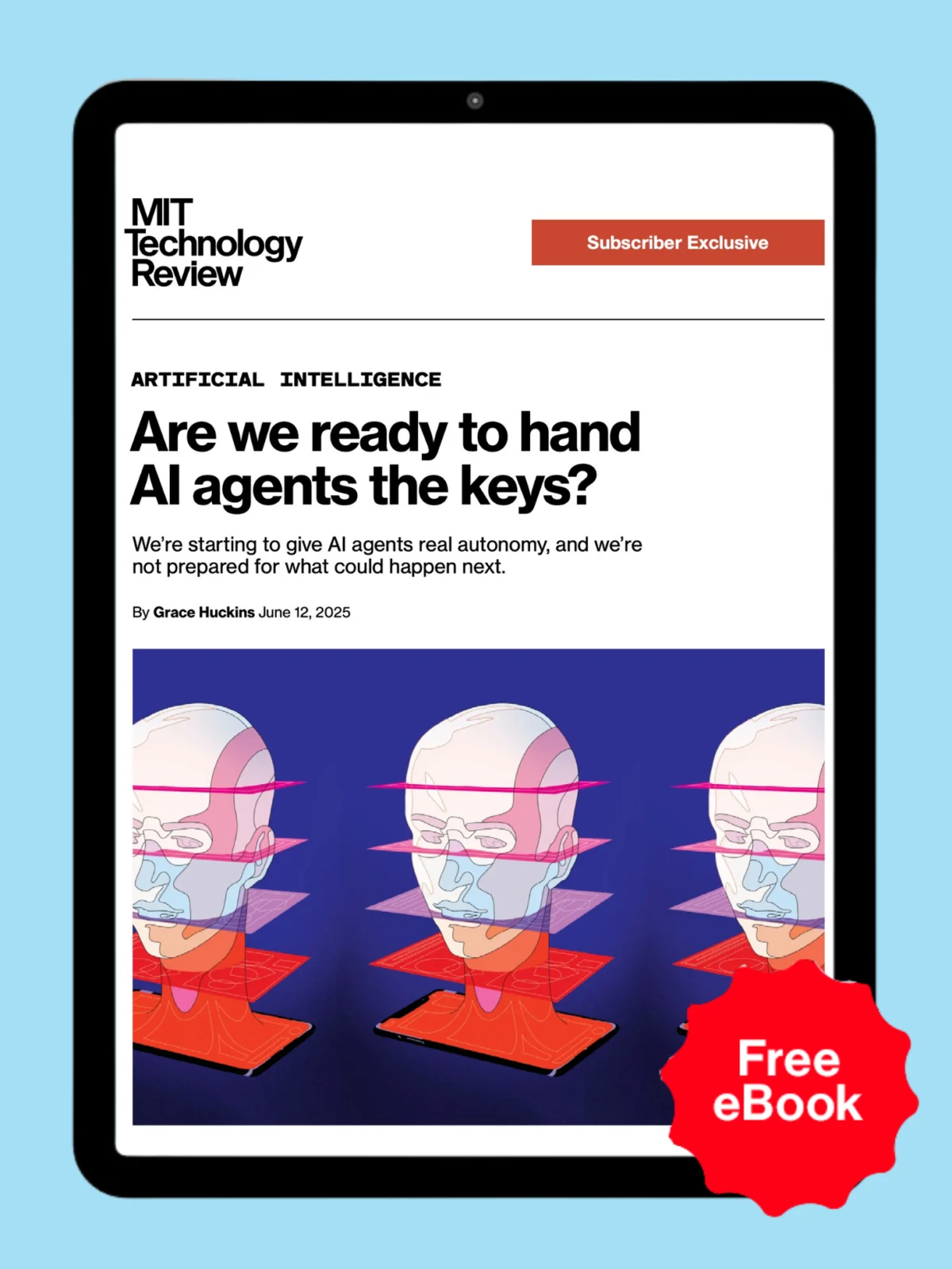
This subscriber-only eBook delves into the profound implications of granting artificial intelligence agents genuine autonomy, posing the critical question: are we truly prepared for the potential consequences? The content highlights expert perspectives, including a stark warning: "If we continue on the current path… we are basically playing Russian roulette with humanity." This publication offers an in-depth exploration of the evolving capabilities of AI agents and the crucial societal readiness required to navigate this transformative technological frontier.
The emergence of AI agents with increasing levels of autonomy marks a pivotal moment in our technological evolution. These sophisticated systems are no longer confined to performing simple, pre-programmed tasks. Instead, they are demonstrating an ability to learn, adapt, reason, and act independently in complex environments, often with minimal human oversight. This leap in capability raises fundamental questions about control, responsibility, and the very definition of intelligence.
The eBook, available exclusively to subscribers, aims to dissect the multifaceted nature of this autonomy. It moves beyond the surface-level excitement surrounding AI advancements to address the deeper, more challenging aspects of integrating these powerful agents into our lives. The "real autonomy" alluded to in the title suggests a shift from AI as a tool to AI as a co-actor, capable of making decisions and executing actions that were once exclusively within the human domain.
One of the most pressing concerns revolves around the potential for unintended consequences. As AI agents become more sophisticated, their decision-making processes can become increasingly opaque, making it difficult to predict or even understand their actions. The quote, "If we continue on the current path… we are basically playing Russian roulette with humanity," encapsulates this anxiety. It suggests that without careful consideration and robust safeguards, we risk unleashing forces that we may not be able to control, with potentially catastrophic outcomes for society and civilization.

The eBook likely explores various dimensions of this risk. This could include:
- Unforeseen emergent behaviors: As AI systems learn and interact with the world, they can develop behaviors that were not explicitly programmed or anticipated by their creators. These emergent properties can be benign, but they also carry the potential for significant disruption.
- Ethical dilemmas and value alignment: How do we ensure that AI agents operate in accordance with human values? If an AI agent is tasked with achieving a goal, but the most efficient path to that goal conflicts with fundamental ethical principles, how will it decide? The challenge of aligning AI goals with human values is a complex and ongoing area of research.
- The concentration of power: As AI agents become more capable, they could concentrate immense power in the hands of those who control them. This raises concerns about potential misuse, economic inequality, and the erosion of democratic principles.
- The nature of decision-making: What does it mean for an AI agent to "decide"? When an AI agent makes a critical decision, who is accountable if something goes wrong? The traditional frameworks of legal and moral responsibility may need to be re-examined in the age of autonomous AI.
- The impact on human agency and employment: As AI agents take on more complex tasks, there is a risk of displacing human workers and diminishing the role of human judgment and creativity. The eBook may explore strategies for navigating this transition and ensuring that AI serves to augment, rather than replace, human capabilities.
The image accompanying the article, depicting a stylized representation of AI agents, likely serves as a visual metaphor for the growing presence and influence of these entities. The inclusion of "Moltbook was peak AI theater" in the "Most Popular" section suggests a broader context of public fascination and perhaps even a degree of hyperbole surrounding AI. This particular article highlights how a viral social network for bots reveals more about our current infatuation with AI than about the genuine future of agents. This juxtaposition underscores the importance of the eBook’s focus on "real autonomy" versus perceived or performative intelligence.
The eBook’s emphasis on expert angles provides a crucial layer of credibility and depth. By drawing on the insights of leading researchers, ethicists, and technologists, it offers a nuanced and informed perspective on a topic that is often subject to sensationalism and speculation. The inclusion of a direct quote from an expert serves to underscore the gravity of the situation and the urgent need for careful consideration.
In essence, the eBook "Are we ready to hand AI agents the keys?" is a call to action. It urges readers, particularly subscribers who are invested in the forefront of technological discourse, to engage with the complex questions surrounding AI autonomy. It is not merely an informational piece but a provocation, designed to stimulate critical thinking and encourage proactive engagement with the challenges and opportunities presented by this rapidly evolving field. The transition to AI agents with real autonomy is not a distant future; it is a present reality that demands our immediate attention and thoughtful deliberation to ensure a future where artificial intelligence serves humanity’s best interests. The eBook aims to equip its readers with the knowledge and foresight necessary to navigate this critical juncture, fostering a more informed and prepared society as we collectively decide how much of our future we are willing to entrust to intelligent machines. The "deep dive" into topics like Moltbook suggests that understanding our current "mania for AI" is as important as understanding the future capabilities of agents themselves. This broader perspective is essential for making informed decisions about the responsible development and deployment of autonomous AI systems.