Imroatul Nasiyah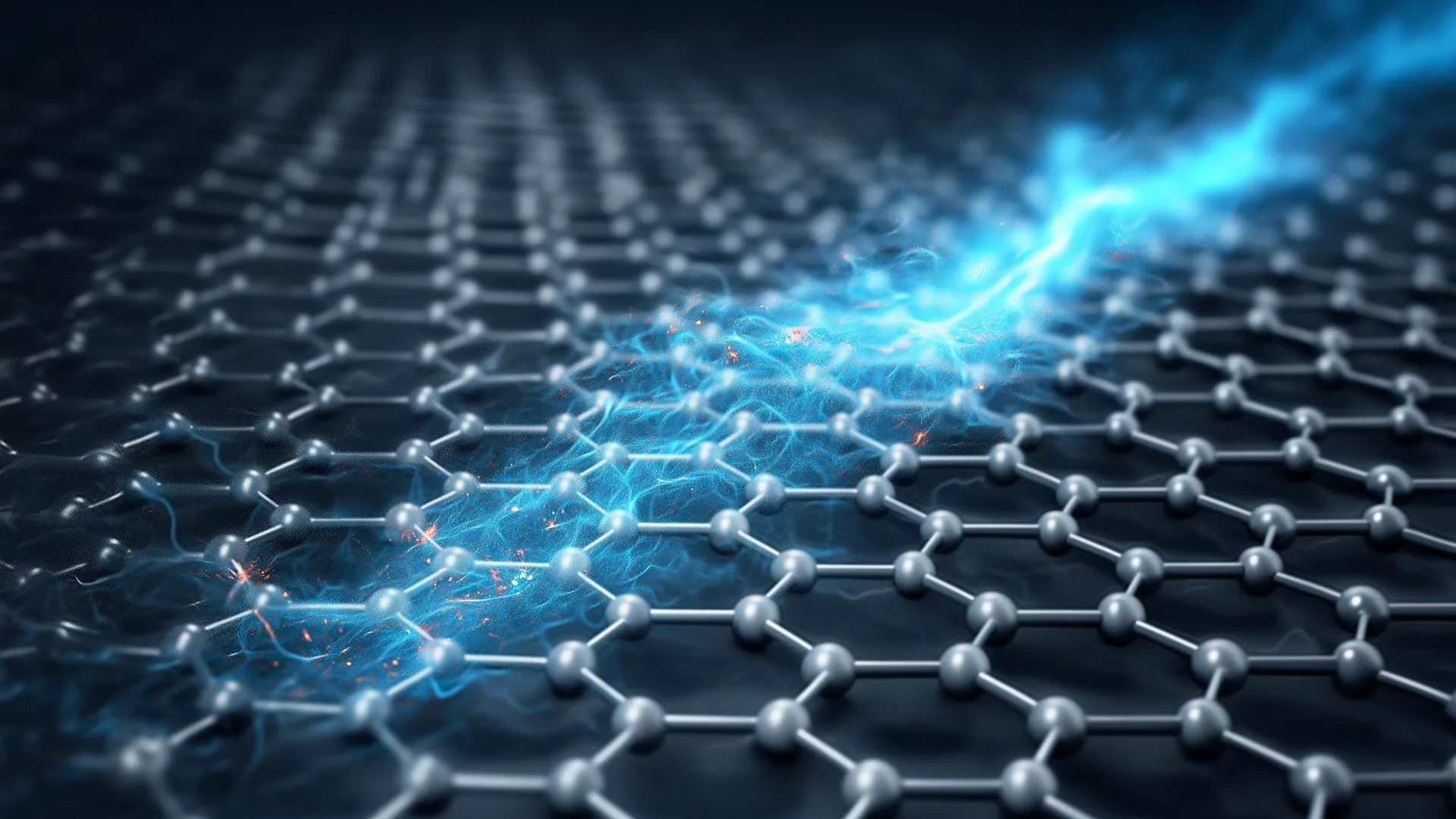
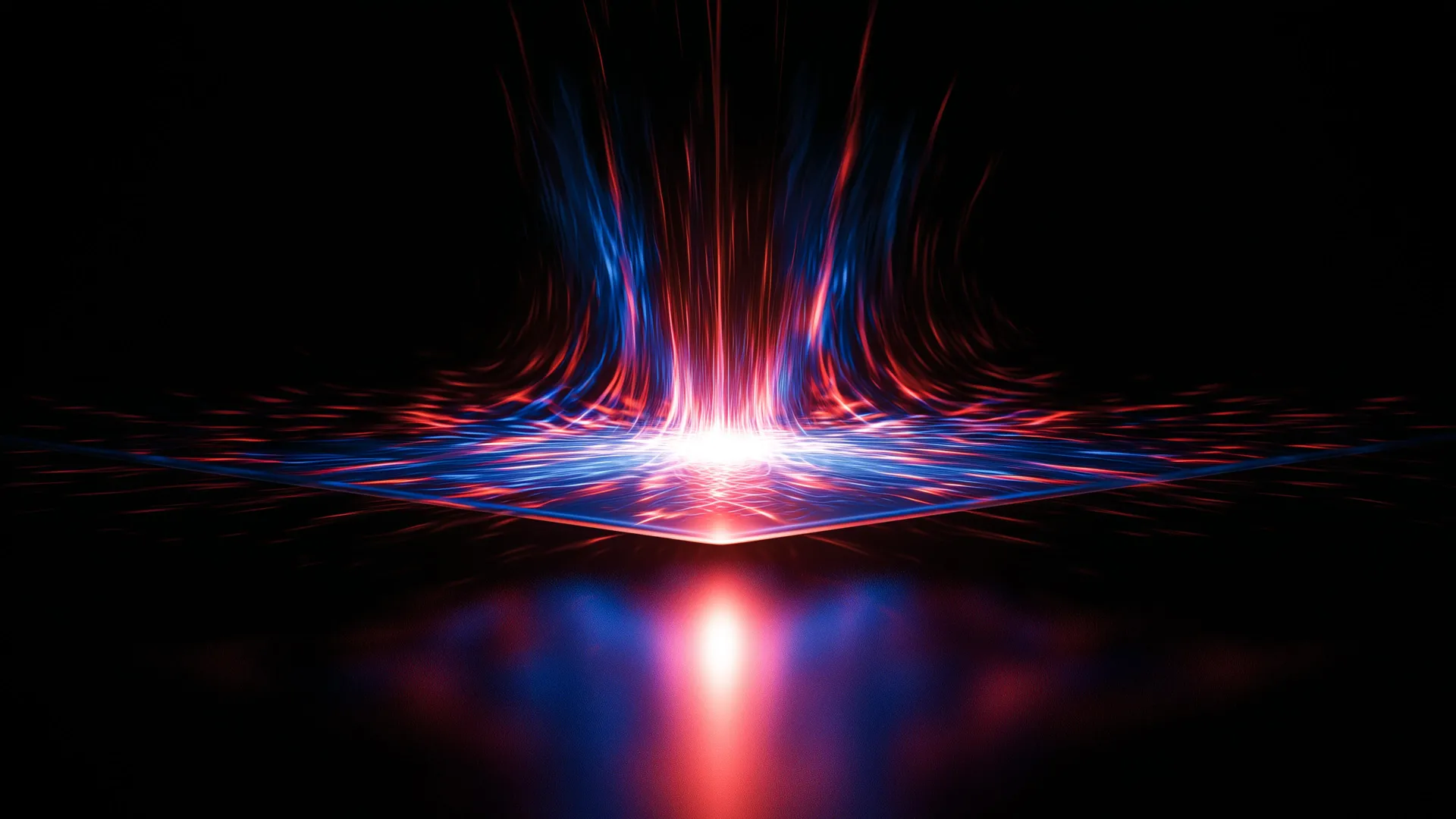
A pivotal new study, spearheaded by researchers at the University of Göttingen and conducted in close collaboration with esteemed teams from Braunschweig, Bremen, and Fribourg, has revealed that graphene possesses an even more profound and previously unobserved capability. For the very first time, scientists have achieved direct observation of "Floquet effects" within graphene. This landmark discovery decisively settles a long-standing scientific debate regarding the applicability of Floquet engineering to metallic and semi-metallic quantum materials like graphene. Floquet engineering, a sophisticated technique that involves precisely manipulating the intrinsic properties of a material through the application of carefully timed light pulses, has now been unequivocally demonstrated to function within graphene. The findings of this significant research have been formally published in the prestigious scientific journal, Nature Physics, underscoring the profound implications of this breakthrough.
Direct Evidence of Floquet States in Graphene: Unlocking Light-Controlled Quantum Behavior
The experimental approach employed by the research team was as innovative as the discovery itself. To meticulously probe these elusive Floquet effects, the scientists utilized a state-of-the-art technique known as femtosecond momentum microscopy. This advanced methodology grants researchers the unparalleled ability to capture and analyze extremely rapid changes in the electronic behavior of materials with unprecedented temporal resolution. In their experiments, the graphene samples were subjected to intense, ultrashort bursts of light, delivered in rapid pulses. Subsequently, these illuminated samples were examined using a precisely delayed secondary light pulse. This carefully orchestrated sequence allowed the researchers to meticulously track and understand the intricate responses of the electrons within the graphene over timescales that are astonishingly short – measured in femtoseconds, which are quadrillionths of a second.
Dr. Marco Merboldt, the lead author of the study and a researcher at the University of Göttingen, expressed the significance of their findings: "Our measurements clearly prove that ‘Floquet effects’ occur in the photoemission spectrum of graphene." He further elaborated on the transformative potential of this discovery, stating, "This makes it clear that Floquet engineering actually works in these systems — and the potential of this discovery is huge." The empirical evidence gathered by the team demonstrates with compelling clarity that Floquet engineering is not merely a theoretical possibility but a practical reality within graphene. This breakthrough has profound implications, bringing scientists significantly closer to the realization of the ability to precisely sculpt and tailor the quantum characteristics of materials using laser pulses, operating at incredibly brief intervals. This level of control over quantum materials opens up a vast landscape of possibilities for designing next-generation electronic devices and advanced scientific instruments.
Light-Controlled Quantum Materials for Future Technologies: A Glimpse into Tomorrow’s Innovations
The ability to tune the properties of materials with such exquisite precision holds the key to unlocking a new generation of advanced technologies. This precision engineering could serve as the foundational bedrock for the development of future electronic devices that are not only more powerful and efficient but also possess entirely novel functionalities. Imagine computers that operate at speeds and with capabilities currently beyond our comprehension, or sensors so sensitive that they can detect the faintest molecular signatures, revolutionizing fields from medicine to environmental monitoring. Professor Marcel Reutzel, who co-led the research project in Göttingen alongside Professor Stefan Mathias, eloquently articulated the forward-looking implications: "Our results open up new ways of controlling electronic states in quantum materials with light. This could lead to technologies in which electrons are manipulated in a targeted and controlled manner."
Professor Reutzel further highlighted a particularly exciting aspect of their discovery: "What is particularly exciting is that this also enables us to investigate topological properties. These are special, very stable properties which have great potential for developing reliable quantum computers or new sensors for the future." Topological properties, a relatively recent area of quantum physics, refer to characteristics of a material that are intrinsically robust and resistant to perturbations, making them ideal for building stable and fault-tolerant quantum computers. These properties could also pave the way for the development of entirely new classes of sensors that are less susceptible to noise and environmental interference, leading to unprecedented accuracy and reliability in measurement.
The research that has led to this groundbreaking discovery was generously supported by the German Research Foundation (DFG) through Göttingen University’s Collaborative Research Centre, aptly named "Control of Energy Conversion at Atomic Scales." This funding has been instrumental in fostering an environment of innovation and collaboration, enabling scientists to push the boundaries of fundamental physics and explore the transformative potential of quantum materials. The findings represent a significant leap forward in our understanding of how light can interact with and manipulate matter at its most fundamental level, promising to reshape the future of electronics, computing, and scientific exploration. The journey from a single layer of carbon atoms to the intricate manipulation of quantum states through light is a testament to human ingenuity and the relentless pursuit of scientific advancement, with graphene at its luminous core.