Faris Adani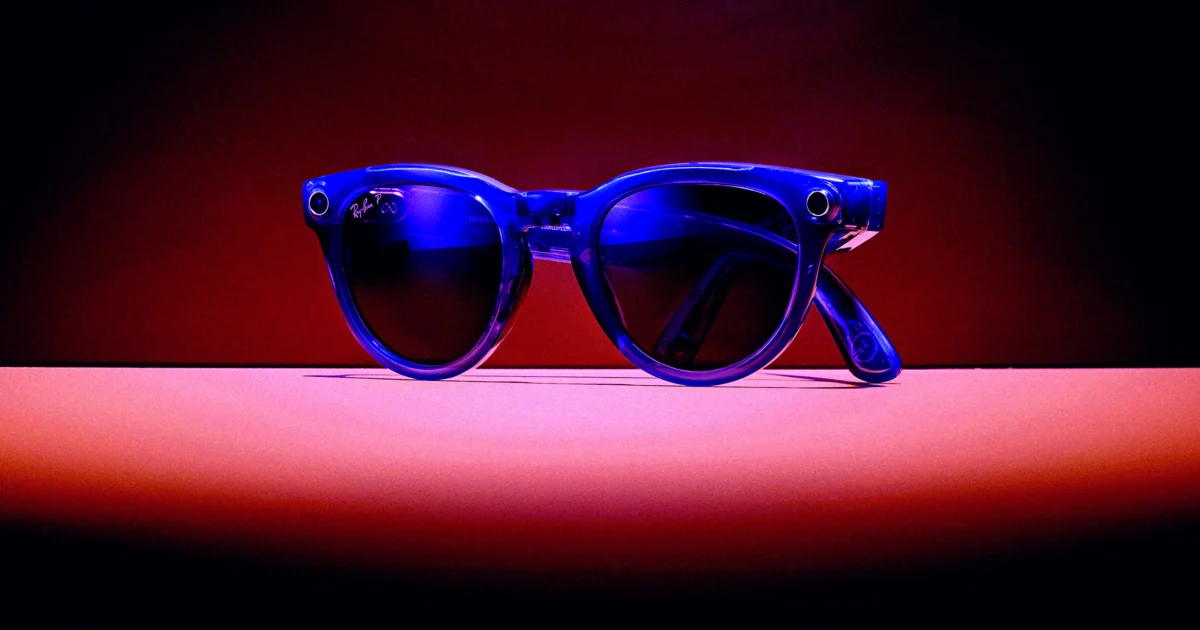
Getty Images / Futurism
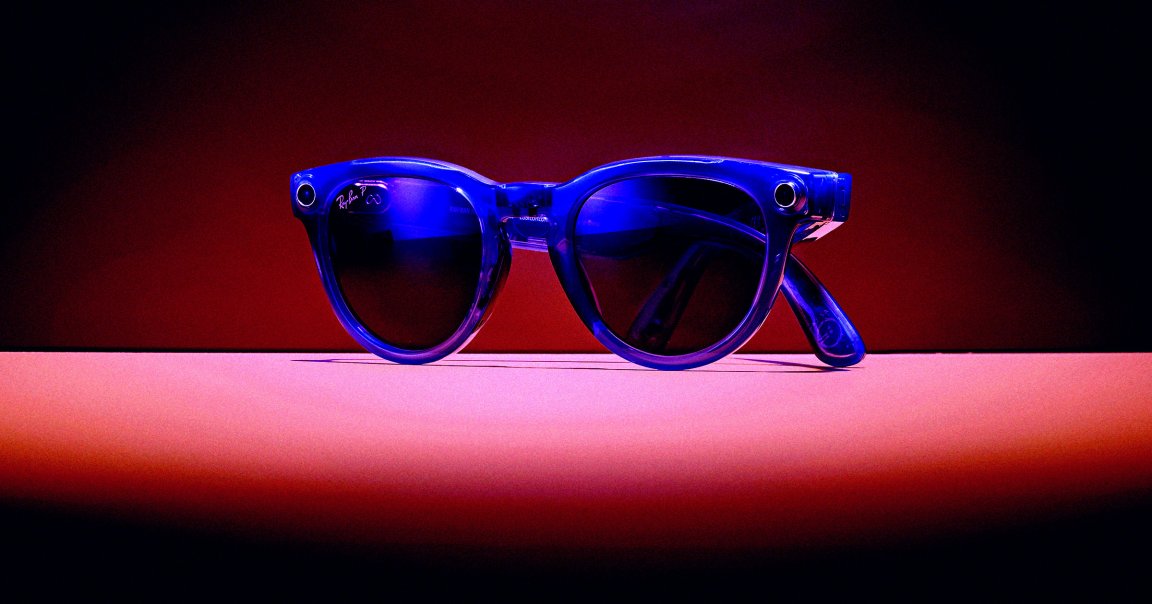
Zuckerberg’s Pervert Glasses Have Been So Publicly Shamed That Meta’s Reportedly Now Working on a Version With No Camera.
In a rapid and dramatic reversal of fortune, Meta’s camera-equipped smart glasses, once hailed as a promising step into the future of wearable technology, have swiftly plummeted from a celebrated consumer product to a widely condemned symbol of privacy infringement. The initial enthusiasm surrounding these stylish spectacles, which married everyday fashion with advanced recording capabilities, quickly gave way to a torrent of criticism, rebranding them in the public consciousness as “pervert glasses” – a tool regrettably misused by individuals for surreptitious recording and unwelcome intrusions into personal privacy. This precipitous decline in public perception has escalated to such an extent that many owners now reportedly harbor fears of public shaming, leading them to abandon using the devices in public. This represents a significant public relations catastrophe for Meta, especially considering the product’s initial strong sales and positive reviews, which once suggested a successful foray into the mainstream wearable market.
The backlash stems from the inherent tension between convenience and privacy. While Meta’s smart glasses offered users the ability to capture photos and videos from a first-person perspective, sharing their experiences seamlessly, the lack of clear, universally recognized indicators for recording raised profound ethical questions. Unlike a smartphone, which is visibly pointed at a subject, smart glasses allow for far more discreet — and thus, potentially deceptive — recording. This subtlety became a breeding ground for misuse, with numerous accounts surfacing online of individuals using the glasses to record others in sensitive or private environments without their consent. Gyms, public transport, cafes, and even private gatherings became perceived targets, fostering an atmosphere of distrust and discomfort among the general public. The term “pervert glasses” gained traction as social media platforms amplified stories of perceived abuse, effectively weaponizing the technology in the narrative of online discourse. This sentiment was further fueled by reports of certain “manfluencers” leveraging the devices to create content that was widely deemed inappropriate or invasive, cementing the negative connotation.
Meta, under increasing pressure, has evidently recognized the severity of this public relations crisis and has begun to implement reactive measures. Reports indicate that the company is desperately trying to implement a “kill switch” mechanism, which would presumably allow for the remote disabling of certain functionalities or even entire devices. The exact technical specifications of this “kill switch” remain to be fully detailed, but it signals Meta’s attempt to regain control over the narrative and functionality of its product in response to widespread misuse. Furthermore, Meta has reportedly taken more drastic action, remotely “bricking” the devices of “manfluencers” who have been identified as egregious misusers of the technology. While this move demonstrates Meta’s commitment to addressing the issue, it also raises questions about the extent of corporate control over privately owned devices and the precedents this might set for future technology. The act of remotely disabling a purchased consumer product, even for legitimate ethical reasons, touches upon complex issues of digital ownership and user rights.
The clearest indication yet of Meta’s strategic pivot in response to public outcry comes from a report by *The Information*, which states that the Mark Zuckerberg-led company is now looking to release a camera-free version of its smart glasses later this year. Code-named “Luna,” this new iteration represents a significant shift in design philosophy, moving away from the controversial visual recording capabilities that sparked the initial backlash. This decision can be interpreted as a direct admission that the camera feature, while central to the original product’s appeal, has become its greatest liability in the court of public opinion. By removing the camera, Meta aims to mitigate the primary source of privacy concerns, hoping to assuage a skeptical public and reposition the device as a more benign, assistive wearable.
However, whether the removal of the camera will be sufficient to fully address the ongoing concerns over privacy remains a critical question. The camera-free “Project Luna” glasses are still expected to feature an array of six microphones. These microphones are intended to enable users to interact with Meta’s burgeoning AI ecosystem, specifically its AI chatbot and its recently released AI assistant, Muse. While the absence of a camera eliminates the visual recording threat, the presence of multiple microphones introduces a new set of privacy considerations. These devices will presumably be capable of picking up ambient audio from users’ environments, meaning conversations and sounds from bystanders could be inadvertently, or even intentionally, captured without their knowledge or explicit consent. The distinction between a smartphone voice assistant, which typically requires a wake word, and a wearable device that could be continuously listening in public spaces, presents a subtle but significant difference in perceived invasiveness. The lack of a clear, visible indicator that audio is being recorded could lead to a similar erosion of trust that plagued the camera-equipped version.
The introduction of Project Luna also unfolds against a backdrop of escalating legal challenges for Meta. Just days prior to these reports, two families filed a proposed class action lawsuit, leveling serious allegations against the tech giant. The lawsuit claims that Meta has been systematically extracting biometric information from individuals’ Instagram and Facebook photos. This data, the plaintiffs allege, is being used to construct a vast, universal facial recognition system. The timing of this lawsuit is particularly pertinent, as it draws a direct line between Meta’s extensive social media data collection and its ambitions in hardware, specifically its smart glasses. The implication is that such a facial recognition system could, in the future, be integrated into wearable devices, enabling real-time identification of individuals in the physical world. This raises profound questions about surveillance, consent, and the future of privacy in an increasingly interconnected and technologically mediated society. Meta has faced similar legal challenges regarding facial recognition and privacy in the past, notably with its photo-tagging features, indicating a recurring pattern of controversy in this domain.
At its core, Project Luna represents a significant litmus test for Meta’s vision of wearable technology and the underlying motivations of its user base. By stripping away the camera, Meta is making a bold bet: that people are primarily interested in shelling out hundreds of dollars for the utility of talking to its AI companions – not for the ability to capture first-person view photos and videos. This pivot challenges the conventional wisdom that visual capture is a primary driver for smart glasses adoption. If Luna succeeds, it suggests a market for discreet, voice-activated AI interfaces in a wearable form factor. If it fails, it might indicate that the camera, despite its controversies, was indeed the key feature that initially attracted buyers, and that the public is not yet ready to embrace always-on audio recording devices in their daily lives, regardless of the AI capabilities they offer.
The potential unveiling of Project Luna is anticipated as soon as Meta’s upcoming Connect conference next week. This event will serve as a crucial platform for Meta to articulate its renewed strategy for smart glasses and, more broadly, its evolving approach to privacy in its hardware offerings. It will be particularly interesting to observe how the company chooses to address the significant backlash to its camera-equipped smart glasses, if at all. A direct admission that its consumer product has facilitated “incredibly creepy behavior” in public seems unlikely, given the potential for further reputational damage. However, the pervasive public discourse and legal scrutiny mean that the privacy concerns and the “pervert glasses” label will undoubtedly be the “elephant in the room,” a silent but powerful presence influencing every announcement and presentation. Meta’s ability to navigate this complex landscape, balancing innovation with public trust and ethical considerations, will largely determine the long-term viability of its wearable technology ambitions and its broader vision for the metaverse.