Faris Adani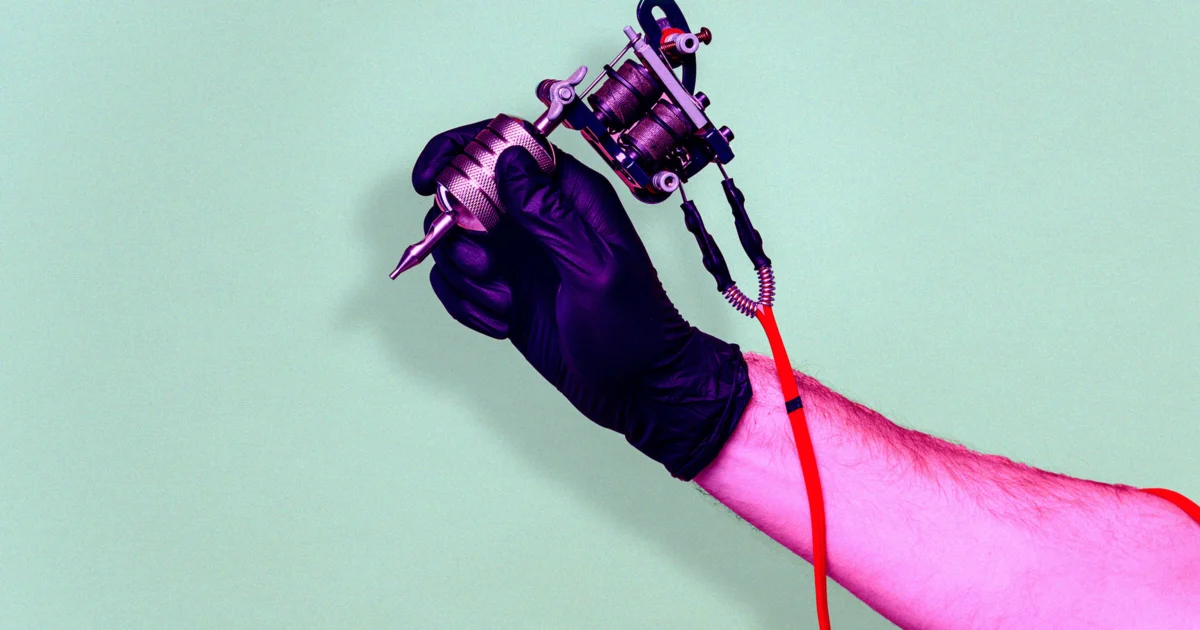
The contemporary US job market, particularly as we navigate the economic currents of 2026, presents a perplexing paradox, a landscape where official metrics often paint a starkly different picture from the lived realities of its workforce, creating an environment ripe for exploitation and desperate measures. While government unemployment figures, a notoriously flawed metric often criticized for its narrow scope and failure to capture underemployment or discouraged workers, occasionally signal slight improvements – as seen in the reported dip from May to June – and consumer spending defiantly continues its upward trajectory despite persistent, aggressive inflation, the working class finds itself increasingly ensnared in a Kafkaesque hiring infrastructure, a labyrinth of automated applications, opaque algorithms, and often dehumanizing processes, all while the chasm between the ultra-rich and the average citizen widens into an abyss of wealth inequality, fostering an undeniable sense of precarity and a scramble for any perceived opportunity. This swirling confluence of conflicting data, from the optimistic empirical reports to the grim anecdotal experiences, makes it exceptionally challenging to ascertain the true pulse of the American labor force, yet amidst this ambiguity, one audacious AI startup, LemonLime, inadvertently provided a stark and visceral barometer of this desperation, not through complex calculations or exhaustive surveys, but through the simple, permanent act of tattooing. This Y Combinator-backed company recently hosted a recruitment event that pushed the boundaries of professional conduct, offering prospective candidates an "instant interview" – a highly coveted gateway in today’s competitive landscape – in exchange for getting the LemonLime logo permanently inked onto their bodies, a proposition that, even in an era desensitized to outlandish marketing stunts, struck many as profoundly disturbing. LemonLime co-founder Jordan Zietz, in a now-infamous LinkedIn post, unashamedly bragged about the "astonishing" seven individuals who, out of a perceived necessity or perhaps a misguided sense of loyalty, took them up on this bizarre offer, framing the stunt as an innovative method to "meet exceptional people" and discern "which of them are just as crazy as we are," a statement that itself speaks volumes about the startup’s corporate culture and understanding of professional boundaries. Zietz further elaborated, stating, "That’s why we brought an actual tattoo artist to our party and offered an instant interview to anyone who got a LemonLime tattoo," before pointedly advising job applicants to "take notes," suggesting this extreme act of brand commitment was a model for future engagement. The concept of coercive body art, while not entirely new in the 21st century, often involves some form of significant financial compensation, such as the infamous instances of individuals tattooing corporate logos for thousands of dollars or meme coin enthusiasts permanently etching symbols onto their foreheads; however, the sheer audacity of demanding a permanent bodily alteration merely to secure an interview, not a guaranteed job, is particularly galling, laying bare the sorry and increasingly exploitative state of the US job market where even basic access to opportunity is commodified in unsettling ways. Dimple Amitha Garuadapuri, one of the attendees who received a free tattoo at the event, clarified on LinkedIn that while she personally opted for a different design and did not get the company’s logo, she observed that "almost everyone else got a LemonLime tattoo," lending further credence to Zietz’s initial claims and highlighting the pervasive pressure felt by attendees. The news of this audacious stunt spread like wildfire across social media platforms, particularly X (formerly Twitter), igniting a torrent of criticism and prompting a lightning-fast public apology from Zietz, who conceded on X that he had "messed up." In his damage-control statement, Zietz attempted to backtrack, claiming, "Even though participants chose their own tattoos and no one was asked to get our logo, I should have understood the pressure and power dynamic created by connecting tattoos to hiring." He affirmed that the problematic posts had been removed, that his team had "spoken to everyone who participated," and that LemonLime was "ready to cover associated removal costs with anyone facing any delayed regret," a tacit acknowledgment of the profound and potentially lasting consequences of their ill-conceived recruitment strategy. For good measure, Zietz stressed that "interviews were available to everyone regardless," a claim that many, especially the seven individuals now bearing permanent corporate branding, might find difficult to reconcile with the explicit incentive structure originally promoted. This incident serves as a chilling microcosm of broader trends within the tech industry, where "hustle culture," "growth hacking," and an often-unhealthy demand for extreme employee loyalty can lead to profoundly questionable ethical practices, particularly within the competitive, high-stakes environment of AI startups backed by powerful venture capital firms like Y Combinator. It raises critical questions about the psychological manipulation inherent in such offers, the blurred lines between enthusiasm and exploitation, and the long-term impact on a company’s reputation and employee morale. The very notion that a startup would deem such a tactic appropriate speaks to a concerning detachment from conventional professional ethics and a willingness to leverage job seekers’ desperation for viral marketing or a misguided test of "commitment." While Zietz’s swift apology and offer of tattoo removal are steps towards remediation, the episode has undoubtedly left a permanent mark, both literally on seven individuals and figuratively on the public perception of LemonLime, casting a harsh light on the extremities to which job seekers are pushed in an increasingly precarious economic landscape. As we look towards the future of work, this event stands as a stark warning, a testament to the urgent need for greater ethical oversight and a reevaluation of what constitutes acceptable recruitment practices in an age where access to opportunity can feel like a privilege, not a right.
Did you attend the YC afterparty with LemonLime? If so, we’d love to hear from you. Reach out at [email protected]. We can keep you anonymous.
More on tech startups: Startup Sued After Delivery Bot Clobbers 73-Year Old Woman