Faris Adani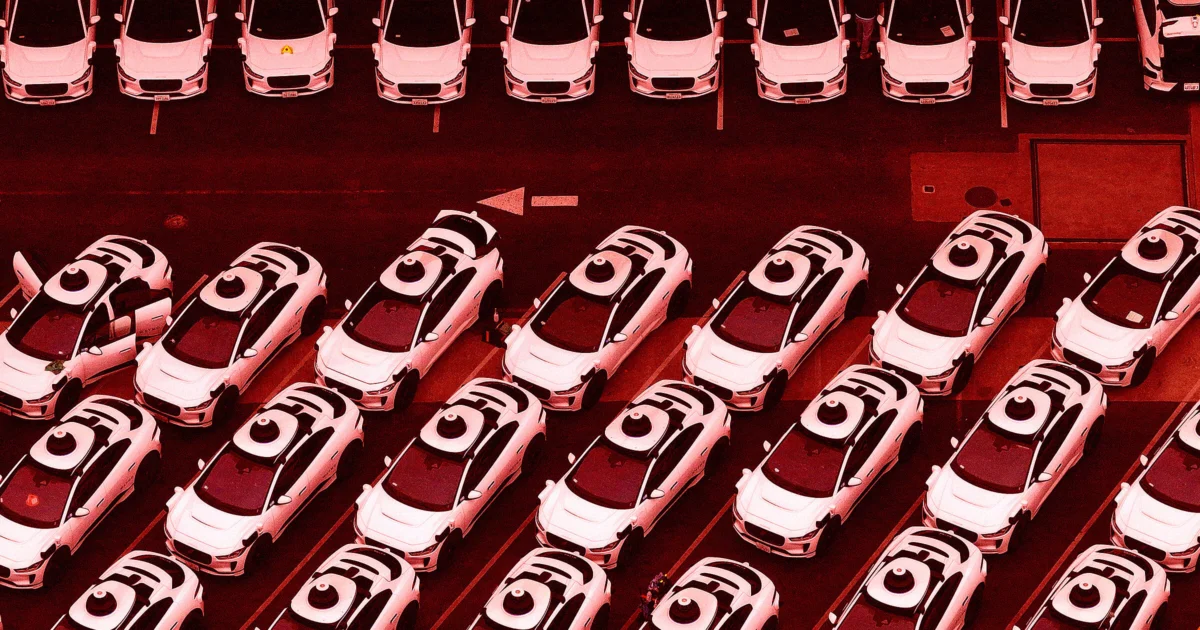
The streets of Atlanta are becoming a battleground in the ongoing saga of technological disruption, as Uber and Lyft drivers voice mounting frustrations over the expansion of Waymo robotaxis. The Atlanta Rideshare Drivers Union (ARDU) has emerged as a vocal proponent for human drivers, claiming a noticeable decline in pay, an increase in wait times between fares, and a general reduction in ride opportunities since Waymo’s autonomous service launched in the city last June. This growing discontent underscores a broader national and global debate about the future of work in an increasingly automated economy, particularly within the gig sector.
The ARDU’s concerns are not merely abstract fears but stem from tangible impacts on their daily livelihoods. Drivers, many of whom rely on rideshare platforms for their primary income, report that the introduction of Waymo vehicles has diluted the available pool of fares, forcing them to spend more time idle or accept less lucrative trips. This erosion of income stability has prompted the union to call upon city and state leaders to intervene, urging them to consider measures that would mitigate the disruptive effects of autonomous vehicles on their profession.
Among the boldest proposals put forth by Liza Ramsey of the ARDU to Atlanta City Council members was the implementation of a "robotaxi impact fee." Ramsey suggested a surcharge of between $0.50 and $1.00 to be added to each Waymo ride. The revenue generated from this fee would not disappear into general city coffers but would instead be directed into a specially designated "driver transition fund." The explicit purpose of this fund would be to provide vital support to human rideshare drivers whose jobs are threatened or displaced by automation. This assistance would include job training programs, educational initiatives, and other assistive resources designed to help drivers pivot to new careers and opportunities in a changing labor market.
Ramsey articulated the philosophical underpinning of this proposal succinctly: "If corporations profit from replacing human workers with automation, they should contribute to helping those workers transition to the next opportunity." This statement reflects a growing sentiment among labor advocates that the economic benefits of automation should not accrue solely to corporations and investors, but that a portion should be reinvested into the communities and workforces most affected by these technological shifts. It echoes historical precedents where industries causing environmental or social harm have been required to contribute to remediation efforts, applying a similar logic to the human cost of automation.
Beyond the proposed impact fee, the ARDU is also advocating for a ban on robotaxis picking up passengers from the Hartsfield-Jackson Atlanta International Airport. Airports have historically been prime locations for rideshare drivers, offering a consistent flow of high-value fares due to the predictable demand from travelers. Restricting Waymo’s access to this lucrative segment of the market would help preserve a critical income stream for human drivers, offering a buffer against the widespread displacement seen elsewhere. This specific demand highlights the strategic importance of key transit hubs for the economic viability of traditional rideshare services.
While Ramsey acknowledges that the union has not yet compiled "hard data" definitively proving a city-wide decline in income, she emphasizes the overwhelming anecdotal evidence. Widespread complaints from drivers, often accompanied by screenshots of their dwindling earnings shared within private group chats, paint a clear picture of financial strain. The absence of official data, however, points to a larger challenge in the gig economy: the lack of transparency regarding driver earnings and platform algorithms makes it difficult for individual workers or even unions to quantitatively demonstrate the immediate impact of new market entrants like Waymo. Nevertheless, the collective experience of hundreds, if not thousands, of drivers serves as a powerful testament to the perceived economic pressure.
Waymo’s presence in Atlanta is a relatively recent development, having launched its fully autonomous service in June 2025. Since its inception, the Waymo fleet has logged an impressive 5.4 million miles of driverless operation across the city. Atlanta was likely chosen for its growing tech sector, favorable regulatory environment, and diverse urban landscape, making it an ideal proving ground for autonomous technology. The company’s expansion strategy has also included a significant partnership with Uber, which, ironically, allows passengers to hail a Waymo robotaxi directly through the Uber app, essentially enabling the very disruption that is now vexing human Uber drivers. This partnership highlights the complex and sometimes contradictory dynamics within the modern tech ecosystem, where companies simultaneously compete and collaborate, often with unforeseen consequences for their human workforce.
Despite its technological advancements, Waymo’s journey in Atlanta hasn’t been without its quirks and challenges. Residents have reported unusual incidents, such as swarms of Waymo vehicles congregating inexplicably in suburban neighborhoods, sometimes causing minor traffic disruptions or simply appearing eerie to onlookers. More concerningly, Waymo vehicles have also been documented repeatedly plunging into flooded stretches of road, raising questions about their ability to navigate extreme weather conditions and unexpected hazards. These incidents, while not directly related to driver displacement, underscore that autonomous technology, while sophisticated, is still evolving and prone to its own set of operational challenges.
The discontent expressed by Atlanta’s rideshare drivers is far from an isolated incident. Across the United States, Uber and Lyft drivers are increasingly vocal about the threat posed by automation. In January, for instance, rideshare drivers in San Francisco organized significant protests against Waymo vehicles, demanding stricter regulation and greater oversight of the autonomous vehicle industry in a city that has become a major hub for AV testing. Similar demonstrations and expressions of concern have been observed in other major metropolitan areas, including New York City, Los Angeles, and Seattle. These widespread protests signal a growing labor movement within the gig economy, where precarious workers are uniting to demand protection and a voice in shaping the future of their industries.
Furthermore, the Atlanta Rideshare Drivers Union is not the sole labor organization taking a proactive stance against the encroaching tide of autonomous vehicles. Earlier this month, the California branch of the Teamsters union, a powerful and historically influential labor force, filed a lawsuit against state lawmakers. The Teamsters allege that new regulations favoring the autonomous vehicle industry were pushed through without adequately considering the potentially devastating impact of self-driving trucks on their members’ jobs. The prospect of autonomous long-haul trucking represents an even larger scale of potential job displacement than rideshare automation, threatening millions of livelihoods in the logistics and transportation sectors. This move by the Teamsters signifies a broader and more entrenched battle between organized labor and the automation industry, suggesting that the fight over job displacement is far from over and will likely intensify as technology advances.
The economic and societal implications of widespread automation, particularly in sectors like transportation, are profound and multifaceted. At the heart of the issue is the concept of technological unemployment – the idea that machines and AI can perform tasks more efficiently and cheaply than humans, leading to job displacement. While proponents of automation often highlight benefits such as increased efficiency, reduced costs, enhanced safety (due to fewer human errors), and even environmental advantages (if AVs are electric), these benefits often come at the expense of human workers. The challenge for policymakers and society is to navigate this transition in a way that maximizes the benefits of innovation while minimizing the social and economic costs to those whose livelihoods are disrupted.
Gig economy workers, like rideshare drivers, are particularly vulnerable to automation. Classified as independent contractors, they often lack the traditional protections and benefits afforded to employees, such as unemployment insurance, severance pay, or robust union representation. This precarity means that when their income streams are threatened by automation, they have fewer safety nets to fall back on. The "driver transition fund" proposed by ARDU is an attempt to create such a safety net, acknowledging that the responsibility for managing technological change should extend beyond individual workers.
The debate also touches upon the future of urban infrastructure and planning. A fully autonomous rideshare fleet could theoretically reduce the need for personal car ownership, ease traffic congestion, and free up valuable urban land currently used for parking. However, without careful planning, it could also exacerbate inequalities, create new forms of digital divides, or lead to a "race to the bottom" for labor standards. The former Lyft drivers now reportedly performing "menial tasks" for their Waymo overlords, as referenced in the article, serves as a poignant illustration of this potential future, where human workers are relegated to supporting roles for automated systems.
In conclusion, the situation in Atlanta is a microcosmic representation of a global challenge: how to reconcile the relentless march of technological progress with the imperative to ensure economic stability and dignity for human workers. The calls from the Atlanta Rideshare Drivers Union for impact fees and restrictions on robotaxi operations are not just about protecting a specific profession; they are a demand for a more equitable and human-centered approach to automation. As self-driving vehicles become more ubiquitous, cities and governments worldwide will be forced to confront these complex questions, balancing the allure of innovation with the fundamental responsibility to safeguard the livelihoods of their citizens. The path forward will likely require a multi-faceted approach, involving innovative regulatory frameworks, robust social safety nets, and a commitment to continuous education and retraining, ensuring that the future of transportation works for everyone, not just the machines.