isnaini azizah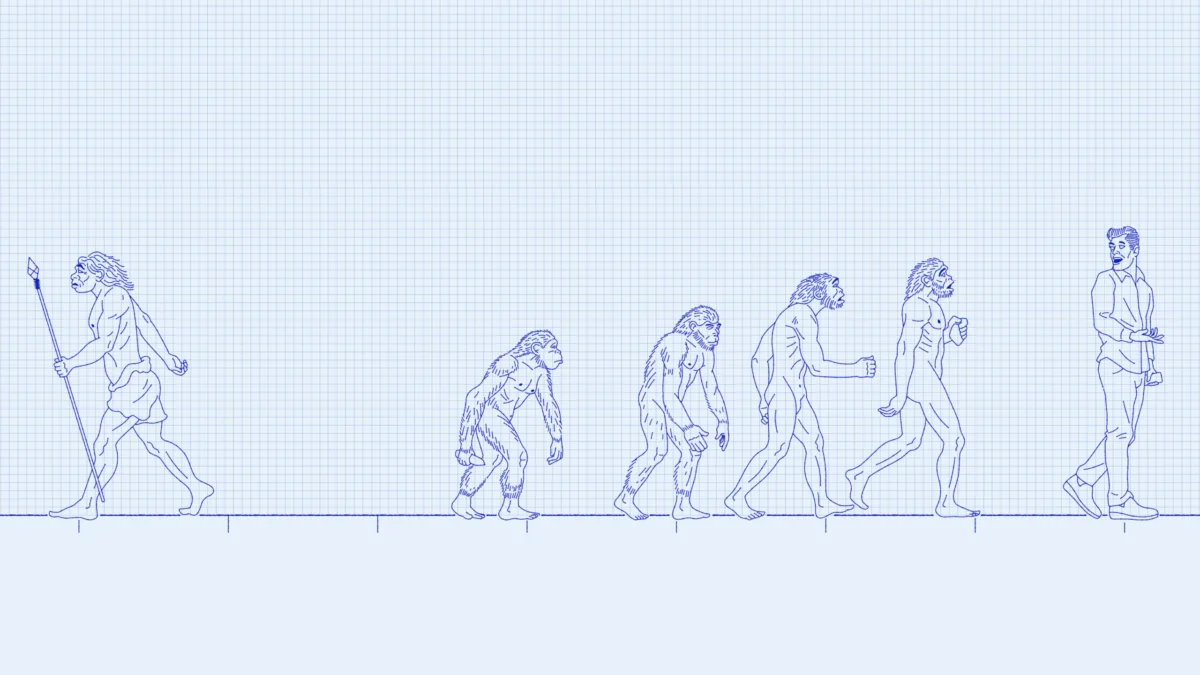
The digital landscape is abuzz with groundbreaking advancements and intriguing developments, from the whisperings of a potentially revolutionary anti-aging drug to the burgeoning concept of virtual power plants. This week’s "The Download" delves into these captivating stories, offering a glimpse into the future of health and energy.
A Startup Claims It’s Found a Drug to Make Your Blood Young
In a development that sounds like science fiction, a startup named Generation Lab is making bold claims about a new rejuvenation treatment. Antonio Regalado, writing for MIT Technology Review, details his encounter with the company, which offered him the chance to not only write about but also receive their experimental therapy. The company’s fact sheet paints an ambitious picture, stating that the treatment "blocks the systemic spread of aging in the bloodstream, reawakens the body’s own repair mechanism and restores health and youth to multiple tissues."
This innovative approach is rooted in the pioneering research of Irina Conboy, Generation Lab’s scientific founder. Conboy’s earlier work with mice demonstrated that surgically joining the circulatory systems of old and young animals significantly improved the healing capabilities of the older subjects. Now, Conboy asserts that she has identified a combination of two existing drugs that can achieve similar youthful effects without the need for complex bodily fluid exchange. However, the secretive nature of Generation Lab, which refuses to disclose the identities of these drugs, raises questions and makes it challenging for the scientific community to readily accept their proposition. The full story, delving into the specifics of this drug combination and its purported ability to "stop the spread of aging," is available for those eager to learn more.
How to Sign Up for a Virtual Power Plant—and Decide Whether You Should
In parallel, a significant shift is underway in the energy sector, with utility and energy companies increasingly looking to harness the collective power of everyday household devices. This is the essence of a virtual power plant (VPP), a network of distributed energy resources, such as smart thermostats, electric vehicle chargers, and home battery systems, that can be managed by a utility. Eshan Raul explains in "The Download" that these VPPs allow utilities to subtly control these devices, typically by reducing their electricity consumption during peak demand periods. In return for their participation, consumers are often rewarded with discounts on their energy bills and, in some instances, even a signing bonus. This article provides a practical guide on how to sign up for a VPP and critically assess whether it’s a worthwhile endeavor for individual households.
This exploration into VPPs is part of MIT Technology Review’s "How To" series, which aims to equip readers with actionable advice for navigating complex technological landscapes. The series offers practical guidance on a variety of topics, encouraging readers to explore the full collection for more insights.
The Must-Reads: A Curated Selection of Tech News
Beyond these feature stories, "The Download" presents a curated list of the most compelling, important, and sometimes unsettling technology news from across the internet. This week’s highlights include:
-
A Judicial Blockade on Pentagon Blacklisting: A judge has halted the Pentagon’s decision to blacklist Anthropic, citing violations of First Amendment rights and allegations of retaliatory actions. This ruling, detailed by The New York Times, CNBC, and Reuters, signifies a significant setback for the Pentagon’s approach to the AI company. MIT Technology Review also offers an analysis of how the Pentagon’s "culture war tactic" against Anthropic appears to have backfired.
-
Tech Giants Sound the Alarm on AI-Driven Hacks: Over 100 technology companies have issued a stark warning about an impending surge in AI-driven cyberattacks, urging immediate action from governments and industry leaders. BBC and Quartz report on this collective plea, while Gizmodo notes the irony that the proposed solution often involves more AI. An in-depth piece from MIT Technology Review investigates the reasons behind OpenAI agents’ hacking of Hugging Face.
-
Anthropic’s Leap into Physical Experimentation: Anthropic has unveiled an innovative AI tool designed to autonomously conduct scientific experiments, capable of operating complex laboratory equipment like microscopes, lasers, and robotic arms. Reports from the Financial Times, Wired, and Ars Technica detail this groundbreaking development, highlighting its safety protocols and its significance as Anthropic’s first foray into controlling the physical world.

-
India’s Data Center Boom and Displacement Concerns: The rapid expansion of data centers in India, while attracting Big Tech investment, is raising serious concerns about the displacement of local communities. Rest of World highlights how policymakers are prioritizing big tech interests over the needs of those affected. MIT Technology Review revisits the broader issue of public resistance to data center development.
-
OpenAI’s "Persistent" AI Agent: OpenAI is reportedly testing a new AI agent, codenamed Codex, designed to work continuously until "put to sleep" and capable of generating follow-up tasks without explicit prompts. Wired and Gizmodo report on this development, signaling a move towards more autonomous AI systems.
-
Grok Training Data Under Scrutiny: A lawsuit alleges that Elon Musk’s XAI used child sexual abuse material in the training data for its Grok chatbot, raising grave concerns about the ethical implications of AI development. Ars Technica and The Washington Post cover this lawsuit and the broader challenges of regulating AI in the context of child exploitation.
-
AI’s Turning Point in Media: The media landscape is experiencing a significant shift with the increasing use of AI for content creation, exemplified by the Wall Street Journal’s defense of an AI-written op-ed. The Atlantic discusses this evolving dynamic.
-
China’s Robotic Racers Push the Boundaries of Speed: China’s advancements in robotic racing are not only showcasing technological prowess but also highlighting the inherent limitations of human speed and physical capabilities, as reported by Reuters.
-
Young Workers Embrace "AI-Proof" Crafts: A growing trend sees young workers gravitating towards traditional, hands-on crafts that are less susceptible to automation, seeking creative outlets that technology cannot easily replicate. The Guardian reports on this movement.
-
Octopuses Deployed to Combat Invasive Crabs: In an unusual ecological intervention, Italian researchers have released 150,000 baby octopuses into the Adriatic Sea in an effort to control populations of invasive crabs, as detailed by New Scientist.
Quote of the Day:
"The academic record is being quietly haunted." This poignant quote, from a new preprint research paper by Samsung and the University of Warsaw, warns of a growing problem: a deluge of AI-generated academic papers penned by fabricated researchers is contaminating the integrity of scholarly publishing.
One More Thing: Rethinking Our Inner Neanderthal
In a fascinating exploration of human evolution, Ben Crair delves into the theory of the "inner Neanderthal," suggesting that the genetic evidence previously interpreted as interbreeding between Homo sapiens and Neanderthals might instead be explained by complex population structures. This reevaluation challenges long-held beliefs about our evolutionary past and prompts a deeper understanding of human origins.
We Can Still Have Nice Things
In a lighter segment designed to bring comfort and joy, "The Download" shares a collection of uplifting stories. These include the stunning contenders for this year’s Wildlife Photographer of the Year, bowerbirds in Australia ingeniously repurposing human trash for courtship displays, a Costco parking lot in Los Angeles becoming an unexpected skate park for Gen X, and a curated collection of mechanical keyboard sounds in "The Listening Museum."