Faris Adani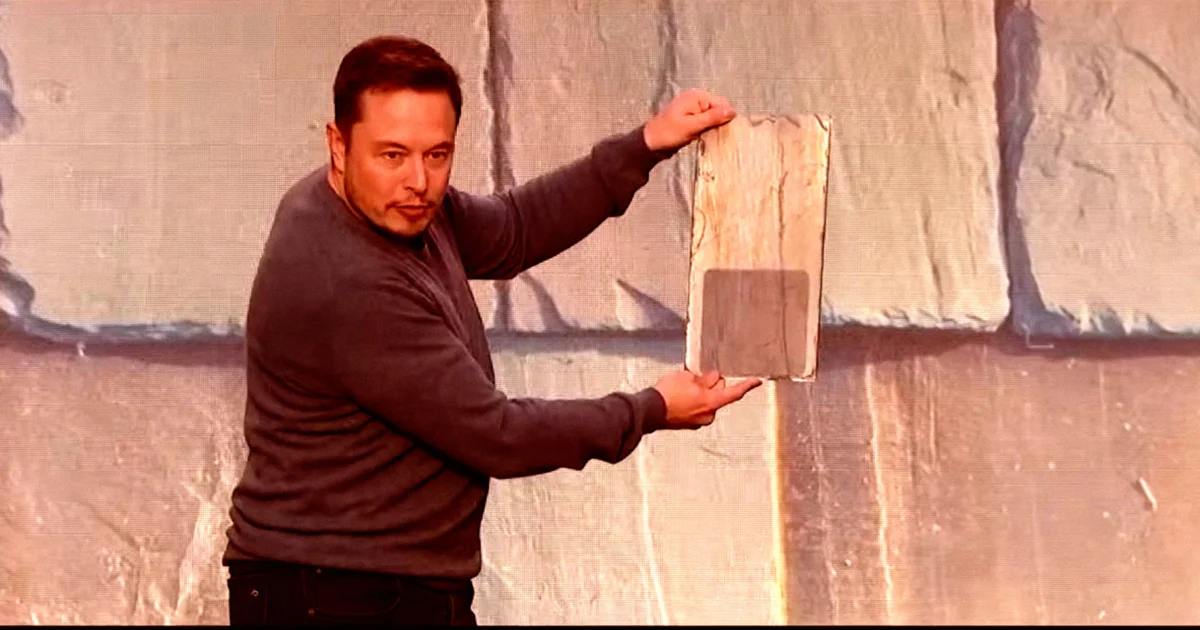
Elon Musk’s Tesla is discontinuing its ambitious Solar Roof, marking a significant pivot in the company’s energy strategy and raising questions about its founder’s commitment to pure sustainability as he increasingly fuels his artificial intelligence endeavors with fossil fuels. This move, confirmed by internal sources, signals the end of a product once heralded as a revolutionary step towards integrated, aesthetically pleasing home renewable energy, but which ultimately proved to be an economic and logistical quagmire.
First unveiled with much fanfare by Elon Musk in 2016, the Tesla Solar Roof tiles were presented as a seamless, elegant alternative to traditional, often conspicuous, rooftop solar panels. The vision was compelling: a roof that not only protected your home but also generated clean electricity, all while blending indistinguishably with conventional roofing materials like slate or terracotta. Musk’s presentation, featuring a neighborhood of homes equipped with these sleek solar shingles, painted a picture of a future where sustainability was synonymous with sophistication. The initial price tag of just $22 per square foot seemed to promise an accessible pathway to off-grid living and energy independence, igniting considerable excitement among investors and environmentally conscious homeowners alike. It was positioned as a cornerstone of Tesla’s broader mission to accelerate the world’s transition to sustainable energy, alongside its electric vehicles and Powerwall battery storage systems.
However, the journey from grand vision to market reality proved far more challenging than anticipated. What began as a bold promise quickly morphed into a saga of production delays, soaring costs, and customer frustration. Early adopters who eagerly placed deposits and awaited installation found themselves caught in a labyrinth of revised quotes that dramatically inflated the initial estimates. These price discrepancies often pushed the cost of a Solar Roof well beyond competitive alternatives, shattering the illusion of affordability. The disparity became so pronounced that it culminated in a class-action lawsuit, which Tesla ultimately settled for $6 million in 2023. This legal battle underscored a deep erosion of customer trust and highlighted the company’s struggles to deliver on its ambitious pricing and installation promises.
Technically, the Solar Roof was an incredibly complex product. Each tile was custom-made, requiring precise measurements and intricate installation techniques that demanded highly specialized labor. Unlike standard solar panels, which are installed on top of an existing roof, the Solar Roof was the roof, integrating photovoltaic cells directly into tempered glass tiles designed to withstand extreme weather. While innovative, this bespoke approach made mass production and rapid deployment exceptionally difficult. Musk’s audacious promise of installing 1,000 Solar Roofs a week remained a distant dream; in reality, production barely reached several dozen installations weekly even at its peak. Over seven years, only approximately 3,000 Solar Roofs were installed globally, a stark contrast to the millions of conventional solar panel systems deployed in the same period. The logistical nightmares, coupled with the high manufacturing costs and the scarcity of specialized installers, rendered the product simply not financially viable, as confirmed by internal sources to Electrek. The dream of an invisible, energy-generating roof, while technologically impressive, succumbed to the harsh realities of economics and scalability.
Despite the significant setback with the Solar Roof tiles, Tesla’s commitment to the broader solar energy sector has not entirely dissipated. The company will continue to supply conventional solar panels, signaling that its foray into renewable energy generation is not over, merely redefined. In a notable development reported by TechCrunch, Tesla is reportedly planning to invest $10 billion into a massive solar factory in Texas. This ambitious undertaking, codenamed Project Crystal Sun, is slated to break ground this year with completion targeted by 2028. Such a colossal investment suggests a strategic shift towards large-scale manufacturing of more conventional solar solutions, potentially aiming for utility-scale projects or a more robust presence in the traditional residential solar panel market, where efficiency and cost-effectiveness often trump bespoke aesthetic integration. This move could position Tesla as a major player in the solar manufacturing supply chain, contributing significantly to the domestic production of renewable energy hardware.
However, this recalibration of Tesla’s energy strategy unfolds against a backdrop of increasing scrutiny over Elon Musk’s evolving stance on sustainability. Once a vocal champion against fossil fuels, famously calling their combustion "the dumbest experiment in history" in 2015, Musk’s recent actions suggest a pragmatic, some might say cynical, pivot. His latest venture into artificial intelligence, a startup that was controversially folded into his rocket company SpaceX earlier this year, is reportedly voraciously consuming vast amounts of energy, much of it derived from fossil fuels. The Wall Street Journal recently reported that Musk’s AI operations are utilizing dozens of gas turbines, burning copious amounts of natural gas to power the computationally intensive training and operation of advanced AI models. In a move that sent shockwaves through the clean energy community, Musk even went as far as to acquire an entire gas turbine manufacturer, effectively doubling down on an energy source he once vehemently opposed.
This significant "about face" has led many to question the authenticity and longevity of Musk’s eco-conscious image. The decision to drop the word "sustainable" from Tesla’s mission statement, as reported by Electrek in late 2025, further cemented the perception of a shifting ideology. While proponents might argue this is a necessary evil—a temporary reliance on existing energy infrastructure to accelerate groundbreaking AI development—critics view it as a profound betrayal of the very principles he once espoused. The immense energy demands of AI data centers, which require constant, high-power electricity and extensive cooling systems, present a formidable challenge to any sustainability agenda. Musk’s embrace of gas turbines, a mature and reliable but carbon-intensive power generation technology, highlights the tension between rapid technological advancement and environmental responsibility. It suggests that for his most ambitious projects, particularly in AI, immediate power availability and cost efficiency may be outweighing long-term environmental considerations.
In conclusion, the discontinuation of the Tesla Solar Roof tiles marks the end of an innovative but ultimately unscalable product that struggled to reconcile groundbreaking design with economic viability. While Tesla continues its commitment to solar energy through conventional panels and ambitious factory plans, the saga of the Solar Roof serves as a poignant reminder of the challenges inherent in disrupting established industries with complex, premium offerings. More broadly, Elon Musk’s personal trajectory, from a fervent advocate for renewable energy to a leader leveraging fossil fuels for his AI ambitions, underscores a complex and controversial evolution. This shift casts a shadow over his previously unwavering commitment to sustainability, prompting a global discussion on the true cost—both environmental and ethical—of pushing the boundaries of technological innovation. The future of Tesla’s energy division, and indeed Musk’s legacy, will undoubtedly be defined by how these diverging paths ultimately converge or diverge further.