Faris Adani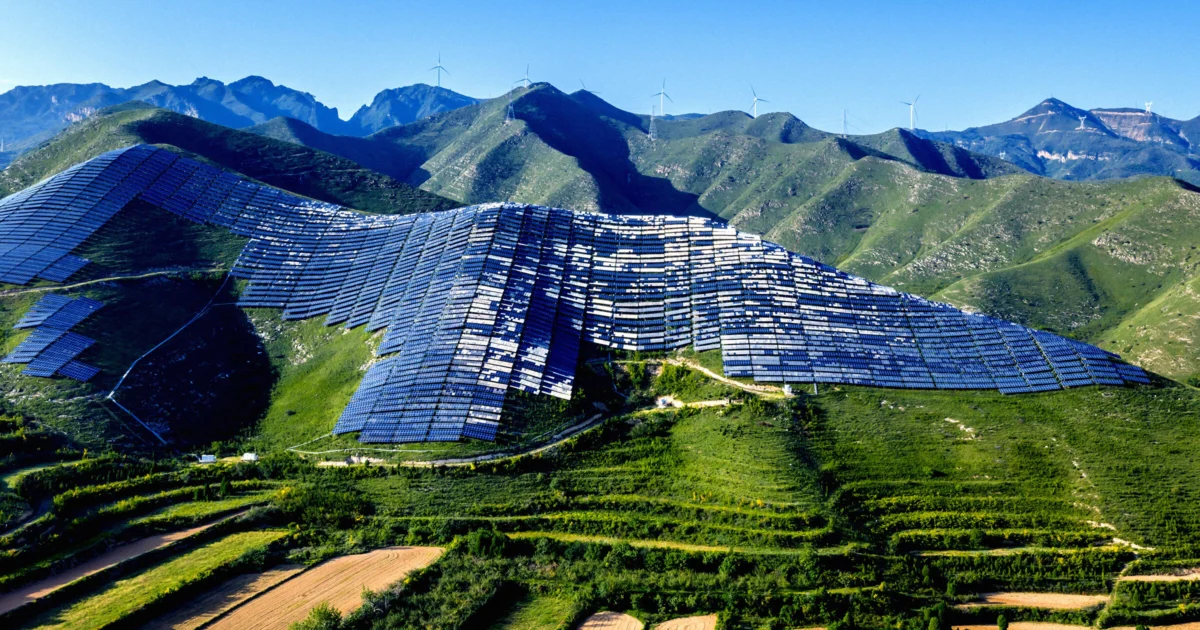
The solar energy industry has reached a truly astonishing milestone, with the cost of installing new photovoltaic panels plummeting to a point best described as "offensively cheap." This dramatic price reduction marks a pivotal moment in the global energy transition, fundamentally reshaping traditional power networks and accelerating the shift towards a sustainable future. The financial landscape of energy generation is undergoing a radical transformation, driven by an almost limitless supply of solar power that is now available at historically low prices, making renewable energy not just competitive, but often the most economical choice.
The scale of this cost reduction is breathtaking. Dave Jones, co-founder of the respected energy research firm Ember, recently highlighted this paradigm shift to the Financial Times, recalling a time just 26 years ago when solar panels commanded prices between $5 and $6 per watt of generation capacity. Today, that figure has shrunk to an almost unfathomable 12 cents per watt. This staggering 98% decrease in cost over less than three decades is a testament to relentless innovation, economies of scale, and aggressive manufacturing expansion. Jones’ characterization of this price as "offensively cheap" is apt, underscoring the stark contrast with traditional fossil fuel-based alternatives, which are not only environmentally detrimental but also subject to volatile market fluctuations and finite reserves.
This jaw-dropping decline in solar panel prices is not an accidental phenomenon but, as the Financial Times accurately notes, "entirely the result" of a colossal surge in Chinese solar panel production. China’s strategic investment and industrial policy in the renewable energy sector have led to the creation of an unparalleled manufacturing ecosystem, driving down costs through sheer volume and vertical integration. Chinese companies have mastered every stage of the solar value chain, from polysilicon production to module assembly, creating an efficient, high-capacity system that has flooded the global market with affordable solar technology. This dominance has made high-quality, renewable energy accessible to nations across the economic spectrum, from affluent developed countries seeking to decarbonize their grids to developing countries striving for energy independence and improved living standards.
The impact on rural parts of the world, in particular, is profound and transformative. Anish Thakkar, co-founder of Kenyan solar financing company Sun King, vividly illustrates this change: "a home goes from burning two or three kerosene lanterns to a light that is 20 to 40 times brighter, [turned] on every day." This isn’t merely about brighter lights; it represents a fundamental uplift in quality of life. Access to reliable, affordable electricity enables children to study after dark, powers essential medical equipment in remote clinics, facilitates communication through phone charging, and supports small businesses, fostering economic growth and reducing reliance on expensive, polluting, and dangerous fossil fuels like kerosene. The barriers to entering a solar-powered world are rapidly diminishing, ushering in an era of unprecedented energy accessibility.
As these barriers crumble, the volume of energy generated by photovoltaics is soaring to new, unprecedented heights globally. China, already the undisputed world leader in renewable energy installations, provides a striking example of this exponential growth. New clean energy installations have inundated its national grid with electricity at a pace that often outstrips immediate demand. Youyuan Huang, executive vice chairman of battery giant BTR New Material Group, articulated this phenomenon in a forum covered by Fortune, stating, "China’s grid is a very strong and stable one, but we’ve installed too much green energy." This oversupply, while a testament to China’s ambitious renewable energy targets, presents its own set of challenges, including curtailment (the act of reducing renewable energy output when it exceeds grid demand) and the urgent need for enhanced energy storage solutions and smarter grid management systems to fully harness this abundant clean power.
The green energy build-out is also making significant strides in other major economies. In the United States, despite past political efforts to bolster the declining coal industry – notably under former President Donald Trump – the inexorable rise of solar power continues. For the first time in history, in June, photovoltaics produced more electricity than coal-fired generators across the United States. This landmark achievement signals a fundamental shift in the nation’s energy mix, driven by economic competitiveness and growing environmental awareness. Policy incentives, such as those embedded in the Inflation Reduction Act, are further accelerating this transition, fostering investment in utility-scale solar farms and encouraging widespread rooftop solar adoption, thereby creating new jobs and strengthening energy independence.
Across the Atlantic, Spain offers another compelling illustration of solar’s disruptive power. The simply incredible rate of solar panel installations has utterly transformed the domestic energy economy, leading to a phenomenon known as negative pricing. This occurs when the supply of electricity, particularly from solar during peak generation hours, exceeds demand, forcing generators to pay customers to consume power. This situation, while beneficial for consumers, has led to a mass exodus of venture capital from the traditional energy sector, as the economic models for conventional power generation become increasingly untenable. Spain’s experience underscores the urgent need for grid modernization, significant investments in energy storage technologies like batteries and pumped hydro, and innovative demand-side management strategies to absorb and utilize this glut of cheap, clean energy effectively.
Beyond these regional examples, the broader implications of "offensively cheap" solar power are far-reaching. Environmentally, it is a crucial weapon in the fight against climate change, offering a viable pathway to significantly reduce greenhouse gas emissions and meet ambitious decarbonization targets. Economically, it promises enhanced energy security, lessening reliance on volatile global crude oil markets, which, as recent events like Houthi strikes on Saudi Arabia and other geopolitical tensions demonstrate, can "turn belly up" with little warning. The transition to solar fosters new industries, creates green jobs, and reduces energy costs for both businesses and consumers, stimulating economic growth. It also drives innovation in related fields, such as energy storage, smart grid technology, and power-to-X solutions, which convert excess renewable electricity into storable fuels like hydrogen.
The future of solar energy promises even greater efficiencies and further cost reductions. Emerging technologies, such as perovskite solar cells, bifacial panels that capture sunlight from both sides, and floating solar farms on bodies of water, are continuously pushing the boundaries of what’s possible. Artificial intelligence is increasingly being deployed to optimize solar energy production, predict weather patterns, manage grid loads, and integrate distributed energy resources more effectively. The dream of a world powered entirely by renewable energy, once considered a distant utopia, now appears increasingly within reach, largely thanks to the remarkable and continuing affordability of solar power.
All in all, there has never been a more opportune moment to invest in solar panels, for individuals, businesses, and nations alike. The confluence of plummeting costs, technological advancements, increasing efficiency, and the undeniable imperative to combat climate change positions solar energy at the forefront of the global energy revolution. This isn’t just a trend; it’s a fundamental shift in our energy paradigm, promising a cleaner, more secure, and more equitable energy future for all.
More on solar energy: Texas Avoids Blackout by the Grace of Solar Power