anjir abdul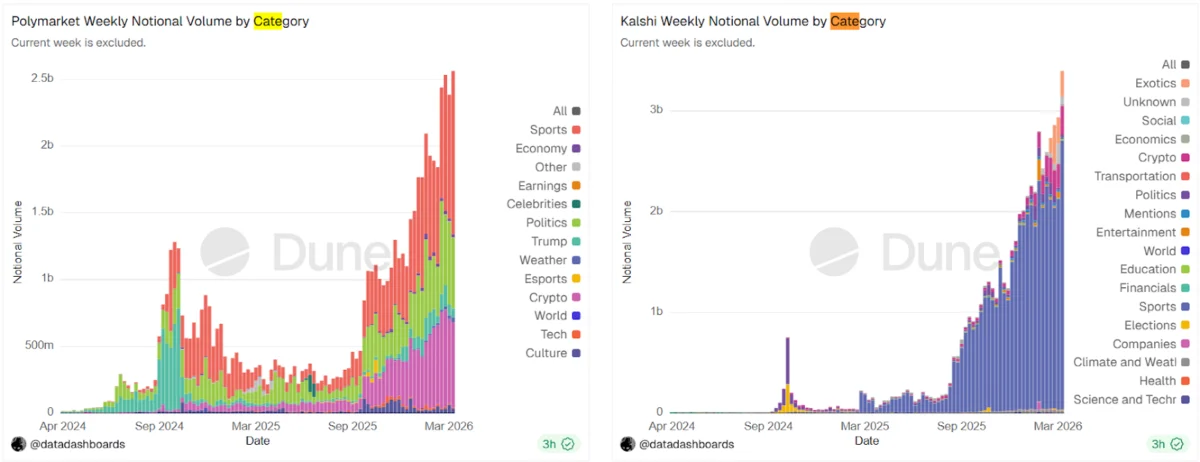
A significant bipartisan legislative effort is underway as U.S. Senators Adam Schiff (D-CA) and John Curtis (R-UT) prepare to introduce a bill on Monday aimed at prohibiting sports betting and "casino-style" contracts from operating within prediction markets regulated by the Commodity Futures Trading Commission (CFTC). This move, initially reported by the Wall Street Journal, signifies a broadening push by Washington lawmakers to rein in the rapidly expanding and often contentious landscape of prediction markets, particularly those blurring the lines between financial instruments and traditional gambling. The proposed legislation, if enacted, would dramatically reshape the operational scope for platforms currently leveraging federal regulatory oversight for activities that many states consider gambling.
Senator Curtis, a key co-sponsor of the bill, articulated the core concern driving this legislative initiative. He told the Wall Street Journal, "Too many young people in Utah are getting exposed to addictive sports betting and casino-style gaming contracts that belong under state control, not under federal regulators." This statement underscores a dual set of anxieties: the potential for addiction, especially among younger demographics, and a perceived jurisdictional overreach, where federal classification allows certain betting activities to bypass established state-level gambling laws and regulations. For states like Utah, which has strict anti-gambling laws, the proliferation of such markets under federal commodity regulation presents a direct challenge to their legislative sovereignty and moral frameworks concerning gaming. The sentiment from Senator Curtis highlights a broader discomfort with the expansion of these markets into areas traditionally governed by state consumer protection and gambling statutes, suggesting that the current regulatory framework is inadequate or misapplied.
The impending introduction of this measure adds substantial weight to a widening Washington push against certain types of prediction market contracts. This regulatory scrutiny has been intensifying, particularly in the wake of renewed insider trading concerns. A notable instance that catalyzed this heightened attention involved significant trading activity on platforms like Polymarket related to the US-Israeli conflict with Iran. Reports of substantial bets placed on specific outcomes, such as military strikes, raised serious questions about whether individuals with privileged information might be exploiting these markets. Critics argue that such markets could incentivize malicious acts or, at the very least, allow for profiteering from tragic events, blurring ethical lines and potentially undermining national security interests. The ability to profit from geopolitical instability through these platforms, even if speculative, presents a moral quandary and a significant regulatory challenge, as it touches upon issues far beyond traditional financial market oversight.
This bill from Schiff and Curtis is not an isolated incident but rather a continuation of Senator Schiff’s efforts to regulate prediction markets. On March 10, Schiff previously introduced the "DEATH BETS Act," a separate but thematically linked bill designed to prohibit CFTC-regulated prediction markets from listing contracts tied to war, terrorism, assassination, and individual death. The DEATH BETS Act explicitly targets markets that capitalize on human suffering and violence, reflecting a profound ethical concern within Congress. Together, these two legislative initiatives paint a clear picture of a coordinated strategy to carve out specific, controversial categories of contracts – from sports betting to acts of violence – from the purview of federal commodity regulation, pushing them either back into state control or banning them outright. The underlying argument is that certain societal harms, whether addiction from gambling or profiting from tragedy, outweigh any potential benefits these markets might offer in terms of information aggregation or price discovery.
Prediction markets themselves operate on a simple premise: users bet on the outcome of future events, and the price of a "share" in a particular outcome reflects the market’s collective probability assessment of that event occurring. If the event happens, the share pays out a fixed amount (e.g., $1); if it doesn’t, it pays out nothing. These markets are often lauded by proponents as tools for aggregating dispersed information, providing real-time insights into future probabilities, and even serving as a form of hedging for various risks. However, when applied to sports outcomes or other "casino-style" events, their function closely mirrors traditional gambling, sparking the current controversy. The platforms typically argue they are facilitating information exchange, while regulators and lawmakers increasingly view them as unlicensed gambling operations.
A significant driver of trading activity on prediction market platforms, and thus a central focus of the proposed ban, is sports betting. Data from Dune Analytics reveals the staggering dominance of sports-related contracts. Last week, sports accounted for a remarkable 47.7% of Polymarket’s weekly notional volume and an even higher 78.8% for Kalshi. These figures translate into substantial financial activity: sports betting generated $1.2 billion in weekly notional trading volume for Polymarket and a massive $2.6 billion for Kalshi. This immense volume highlights how integral sports betting is to the current business models of these CFTC-regulated platforms. For many users, prediction markets offer an alternative to traditional sportsbooks, potentially with different odds, lower fees, or simply a different user experience. However, for lawmakers like Senator Curtis, this popularity signals a substantial leakage of gambling activity into a federally regulated space, bypassing the robust licensing, taxation, and consumer protection frameworks that govern state-sanctioned sports betting. The sheer scale of these transactions amplifies the urgency for regulatory clarity and appropriate oversight.

The regulatory pressure on prediction markets extends beyond Congress, with the CFTC itself taking steps to define and potentially constrain these platforms. On March 12, the CFTC issued a staff advisory classifying event contracts on prediction markets as a "financial asset class." This move, while seemingly formal, is crucial because it solidifies the CFTC’s assertion of jurisdiction over these markets, treating them as commodities rather than gambling. Furthermore, the commodities regulator submitted an Advanced Notice of Proposed Rulemaking (ANPRM), actively seeking public feedback on how the Commodity Exchange Act (CEA) would apply to prediction markets. This ANPRM is a critical procedural step, signaling the CFTC’s intent to potentially establish new rules or interpretations that could significantly alter how these markets operate. Polymarket and Kalshi, the two prominent platforms in this space, are currently regulated by the CFTC as Designated Contract Markets (DCMs), which means they operate under federal oversight for commodity futures and options. This status is precisely what the new bill seeks to challenge for specific contract types.
Despite CFTC Chair Michael Selig’s claim of "exclusive jurisdiction" over prediction markets, this assertion has been directly tested and challenged in the courts. On March 9, an Ohio judge delivered a significant ruling that questioned the CFTC’s authority. The judge found that Kalshi had failed to demonstrate that the CEA would "necessarily preempt Ohio’s sports gambling laws," or that these sports betting contracts would fall under the "exclusive jurisdiction" of the CFTC. This ruling is a pivotal moment, as it suggests that state laws regulating gambling might indeed supersede or coexist with federal commodity regulations, especially when the regulated "commodity" strongly resembles traditional betting. This legal ambiguity creates a challenging environment for platforms like Kalshi, which must navigate potentially conflicting federal and state legal frameworks.
Further escalating the jurisdictional conflict, a Nevada judge on Friday temporarily blocked Kalshi from offering sports, election, and entertainment event contracts in the state for 14 days. The judge’s reasoning was that regulators were reasonably likely to succeed in arguing that Kalshi’s markets violated Nevada gambling law. Nevada, a state with a long history and highly developed regulatory framework for gambling, views these prediction markets as direct competitors to its licensed casinos and sportsbooks. This temporary injunction highlights the states’ determination to protect their established gambling industries and enforce their own regulatory standards, pushing back against the CFTC’s federal oversight claims. These court battles underscore the fundamental tension between the CFTC’s classification of prediction markets as legitimate financial instruments and states’ classification of them as unregulated gambling operations. The legal outcomes in Ohio and Nevada provide a preview of the complex and protracted battles that prediction market operators and federal regulators are likely to face across the country.
The debate surrounding prediction markets, particularly those dealing with sports or sensitive geopolitical events, is multifaceted. Proponents argue that these markets are valuable tools for information aggregation, offering a more accurate gauge of public sentiment and future probabilities than traditional polls or expert opinions. They also suggest that such markets can serve as effective hedging mechanisms for businesses and individuals, allowing them to mitigate various forms of risk. However, critics, including the senators proposing this new bill, focus heavily on consumer protection concerns. They contend that the "casino-style" nature of many contracts fosters addictive behavior, particularly among vulnerable populations. Furthermore, the lack of traditional gambling safeguards—such as age verification, responsible gaming resources, and robust anti-money laundering protocols—raises serious questions about player safety and market integrity. The potential for manipulation, insider trading, and the erosion of ethical boundaries, as seen with markets on assassinations or acts of war, provides strong arguments for stricter regulation or outright bans. Moreover, states view these unregulated markets as bypassing crucial tax revenues that would otherwise be collected from licensed gambling operations, impacting public services.
If introduced and passed, a ban on sports betting and "casino-style" contracts would have profound implications for the prediction market industry. Platforms like Polymarket and Kalshi, which currently derive significant trading volume and revenue from these categories, would be forced to fundamentally restructure their offerings. They might pivot entirely to more "traditional" commodity-style predictions, such as economic indicators or election outcomes, which are less contentious. However, this shift could significantly reduce their user base and trading volumes, challenging their financial viability. The legislation would also send a clear message to other potential entrants in the prediction market space, signaling that certain types of event contracts are off-limits under federal commodity regulation. This could stifle innovation in areas perceived as too close to gambling, but it would also provide much-needed clarity on jurisdictional boundaries.
Looking ahead, the introduction of this bill marks a critical juncture for prediction markets in the U.S. The legislative process will likely involve congressional hearings, where proponents and opponents of prediction markets will present their arguments, and the precise definitions of "sports betting" and "casino-style contracts" will be fiercely debated. Concurrently, the CFTC’s ANPRM process will gather public feedback, which could inform future regulatory actions, potentially leading to new rules that either complement or conflict with congressional efforts. The ongoing state-level legal challenges in Ohio and Nevada, and potentially others, will continue to shape the legal landscape, forcing a clearer demarcation between federal commodity law and state gambling statutes. The outcome of these intertwined legislative, regulatory, and judicial battles will ultimately determine the future scope and legality of prediction markets in the United States, particularly their ability to host popular, yet controversial, sports betting and "casino-style" contracts. The comprehensive and bipartisan nature of this latest legislative push underscores the growing consensus in Washington that the current regulatory framework for prediction markets is insufficient and in urgent need of reform.