isnaini azizah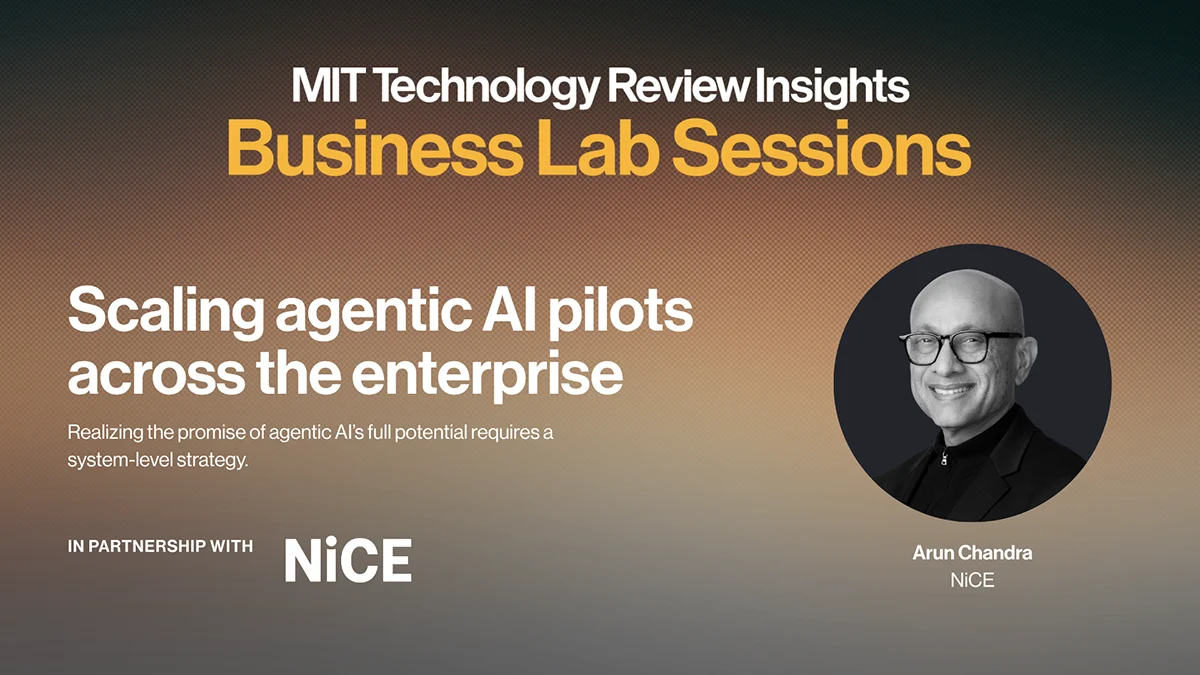
As the transformative potential of agentic Artificial Intelligence (AI) transitions from the realm of isolated experimentation into the complex landscape of enterprise-wide deployment, a critical set of challenges emerges. The fundamental question at the heart of this evolution is how these intelligent agents can be orchestrated to collaborate effectively, seamlessly integrate with the vast and intricate systems and data repositories that underpin business operations, and crucially, operate with unwavering safety and compliance across the diverse and dynamic workflows that define modern commerce. While a significant portion of the global business elite, with approximately 80% of Fortune 500 companies reportedly exploring agentic AI, have begun to embrace this technology, the journey toward achieving truly meaningful and impactful scale remains a decidedly uneven terrain. Many organizations find themselves ensconced in the early stages, grappling with the intricacies of isolated pilot projects, yearning for a clear roadmap to broader adoption.
For Arun Chandra, the Chief Operating Officer at NiCE, a prominent player in customer experience management solutions, the imperative first step in this scaling journey lies in a decisive move beyond experimentation for experimentation’s sake. "Everybody’s trying to figure out what can we do with this technology?" he articulates, highlighting the widespread curiosity. However, Chandra emphasizes that scaling agentic AI effectively necessitates a far more profound and strategic connection to overarching business objectives. Organizations must clearly define their overarching goals, whether that involves a concerted effort to significantly increase revenue streams, drive down operational costs, or pursue other critical strategic and financial imperatives. Only then, from this foundation of strategic clarity, can organizations begin the crucial process of re-imagining and re-engineering the very workflows where these intelligent agents will ultimately operate. The danger, as Chandra points out, lies in the temptation to simply "layer AI onto existing processes" without fundamental re-evaluation. "The last thing you want to do is to apply AI on an outdated or an inefficient workflow," he firmly advises, underscoring the risk of automating and amplifying existing inefficiencies rather than driving genuine improvement.
This strategic shift in perspective requires organizations to fundamentally reframe their understanding of agentic AI, treating it not as a collection of disparate tools but as a cohesive and interconnected system. The efficacy of these intelligent agents is inextricably linked to their ability to access and leverage the comprehensive data, contextual understanding, and critical knowledge required to make truly effective and informed decisions. Furthermore, for agents to move beyond mere analysis and actively contribute to business outcomes, they must possess robust connections to back-end systems, enabling them to execute actions and implement changes. The pervasive issue of fragmented information, a common ailment in many enterprise environments, poses a significant impediment to realizing the full potential of these capabilities. "The efficacy of these AI agents is purely a function of the context, the knowledge, and the data they can ingest and use," Chandra elaborates, drawing a direct correlation between data accessibility and agent performance.
The organizational implications of scaling agentic AI are equally significant and warrant careful consideration. A poorly managed rollout can inadvertently create new forms of fragmentation, particularly if individual teams or departments develop isolated AI systems that fail to communicate or integrate with one another. This lack of interoperability can lead to siloed intelligence and missed opportunities for synergistic collaboration. Concurrently, as these AI agents are empowered to undertake increasingly consequential work, the importance of robust governance frameworks, stringent privacy protocols, unwavering security measures, and comprehensive change management strategies escalates dramatically. Chandra advocates for a principled approach where AI agents are ultimately held to the same rigorous standards of performance, accountability, and ethical conduct as their human counterparts. This necessitates a forward-thinking organizational mindset that views the future workforce not as a binary distinction between humans and AI, but as a blended ecosystem where humans and AI agents collaborate synergistically.
Looking ahead, this interconnected and strategically aligned approach holds the promise of enabling AI agents to operate with a remarkable degree of proactivity. They could, for instance, autonomously communicate with other agents to swiftly and efficiently resolve complex customer needs, anticipating issues before they escalate and orchestrating multi-agent solutions. For organizations actively navigating the transition from the exploratory phase of pilot projects to the ambitious goal of enterprise-wide scale, Chandra offers a pragmatic piece of advice: the priority should not be to "boil the ocean" by attempting to implement AI everywhere simultaneously. Instead, the focus should be on meticulously building a connected and cohesive strategy that is firmly anchored around high-value use cases, optimized workflows, thoughtful workforce adaptations, and clearly defined, measurable outcomes. This targeted and strategic approach ensures that resources are directed effectively, yielding tangible business benefits and paving a sustainable path for the widespread adoption of agentic AI.
This webcast is produced in partnership with NiCE.
This content was produced by Insights, MIT Technology Review’s custom content arm, not its editorial staff. It was researched and written by humans, with any AI tools that may have been used limited to production processes under human oversight.