anjir abdul
Each of these digitized mortgage records is rich with data, encompassing over 500 distinct data points. These granular details include critical loan-level information meticulously designed to bolster verification processes, establish comprehensive and unalterable audit trails, and facilitate more robust and dynamic risk analysis. By immutably recording such extensive data on a blockchain, Pineapple Financial aims to drastically reduce the potential for fraud, streamline due diligence for interested parties, and provide an unprecedented level of transparency to regulators and investors alike. The progress of this ambitious undertaking can be tracked via Pineapple’s dedicated digital assets dashboard, which currently indicates that the migration has encompassed 2,079 mortgage records. This figure represents substantial growth since the initiative’s launch in December 2025, when 1,259 records had been moved, underscoring the accelerating pace of their onchain transition.
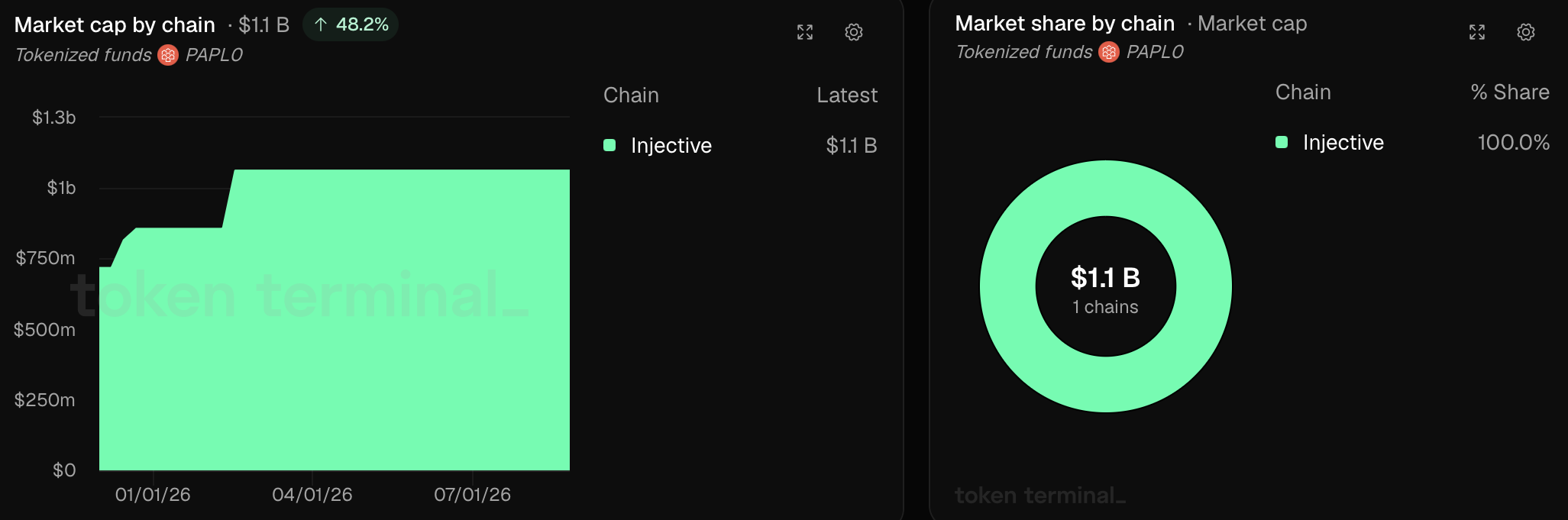
The digital asset representing these onchain mortgage records, designated as PAPL0, has demonstrated robust market performance. According to data compiled by Token Terminal, the asset’s market capitalization has surged to approximately $1.1 billion, reflecting an impressive 48.2% increase over the past nine months. It is imperative to reiterate that these tokens signify the onchain records of the mortgages, not direct ownership of the underlying loans themselves. This distinction is vital for understanding the legal and financial implications of Pineapple’s tokenization strategy. The value captured by PAPL0 reflects the market’s growing confidence in the utility and future potential of these verifiable, immutable mortgage records.

Pineapple Financial’s collaboration with Injective extends beyond the mere migration of mortgage records. It is a deeply strategic partnership that includes the establishment of a separate $100 million Injective (INJ) digital asset treasury. This treasury is actively utilized by Pineapple for staking INJ, the native token of the Injective blockchain, with Kraken, a leading cryptocurrency exchange, serving as a primary validator for these substantial holdings. This staking activity not only contributes to the security and decentralization of the Injective network but also aligns Pineapple’s financial interests with the long-term success and growth of the blockchain infrastructure it is leveraging. This multifaceted relationship underscores a shared vision for the future of decentralized finance and real-world asset integration.
The move by Pineapple Financial is a powerful indicator of the accelerating trend in real estate tokenization, a burgeoning sector within the broader movement to bring traditionally illiquid real-world assets (RWAs) onto blockchain networks. The core appeal of tokenization lies in its ability to transform assets like property or investment interests, making them more divisible, easier to transfer, and more broadly accessible to a wider pool of investors. By leveraging blockchain technology, tokenization can unlock liquidity that is otherwise trapped in slow, paper-based, and often inefficient traditional systems. This enhanced liquidity, coupled with increased transparency and reduced transaction costs, holds the potential to revolutionize how real estate is bought, sold, and managed.
Indeed, the past year has seen significant advancements in this domain. In June, a notable collaboration emerged as Apex Group joined forces with financial giants Goldman Sachs, Archax, and LRC Group to launch a tokenized real estate fund. The shares of this fund are issued as digital tokens directly through Goldman Sachs’ Digital Asset Platform. This particular structure allows investors to hold blockchain-based ownership of fund shares, representing a direct equity stake, rather than merely recording property data onchain, which is the distinction with Pineapple’s current approach. This demonstrates the varied methodologies being explored within real estate tokenization, from direct equity representation to immutable record-keeping.
Dubai, a global hub for innovation, has also been at the forefront of expanding its real estate tokenization efforts. In February, the Dubai Land Department launched the second phase of a groundbreaking pilot program, following an initial phase that successfully tokenized approximately $5 million worth of property. All transactions within this initiative were recorded on the XRP Ledger, showcasing another prominent blockchain platform being utilized for real estate applications. These initiatives from major financial institutions and government entities highlight the growing mainstream acceptance and exploration of blockchain’s potential in the real estate sector.
Despite these promising developments and the increasing momentum, tokenized real estate still represents a relatively small fraction of the broader real-world asset (RWA) market. Currently, the sector accounts for approximately $226.5 million in distributed value, having seen an 11.7% increase over the past 30 days. This figure, while growing, pales in comparison to the staggering $38.8 billion across all tokenized RWAs tracked by RWA.xyz, which includes a wide array of assets such as government bonds, commodities, and other financial instruments. This disparity underscores both the nascent stage of real estate tokenization and the immense potential for growth as regulatory frameworks mature, technological solutions become more robust, and institutional adoption expands. The challenges for real estate tokenization often revolve around legal complexities, the need for clear regulatory guidance, and the integration with existing legacy systems, all of which require significant innovation and collaboration to overcome.
Pineapple Financial’s pioneering effort with Injective is a testament to the transformative power of blockchain technology in revolutionizing traditional finance. By bringing mortgage records onchain, they are not only enhancing the integrity and accessibility of critical financial data but also paving the way for a more transparent, efficient, and potentially more equitable future for mortgage markets worldwide. This initiative, alongside others in the RWA space, signifies a paradigm shift where the benefits of decentralization and immutability are increasingly being applied to tangible, high-value assets, promising a future where financial services are more interconnected, verifiable, and globally accessible.