Faris Adani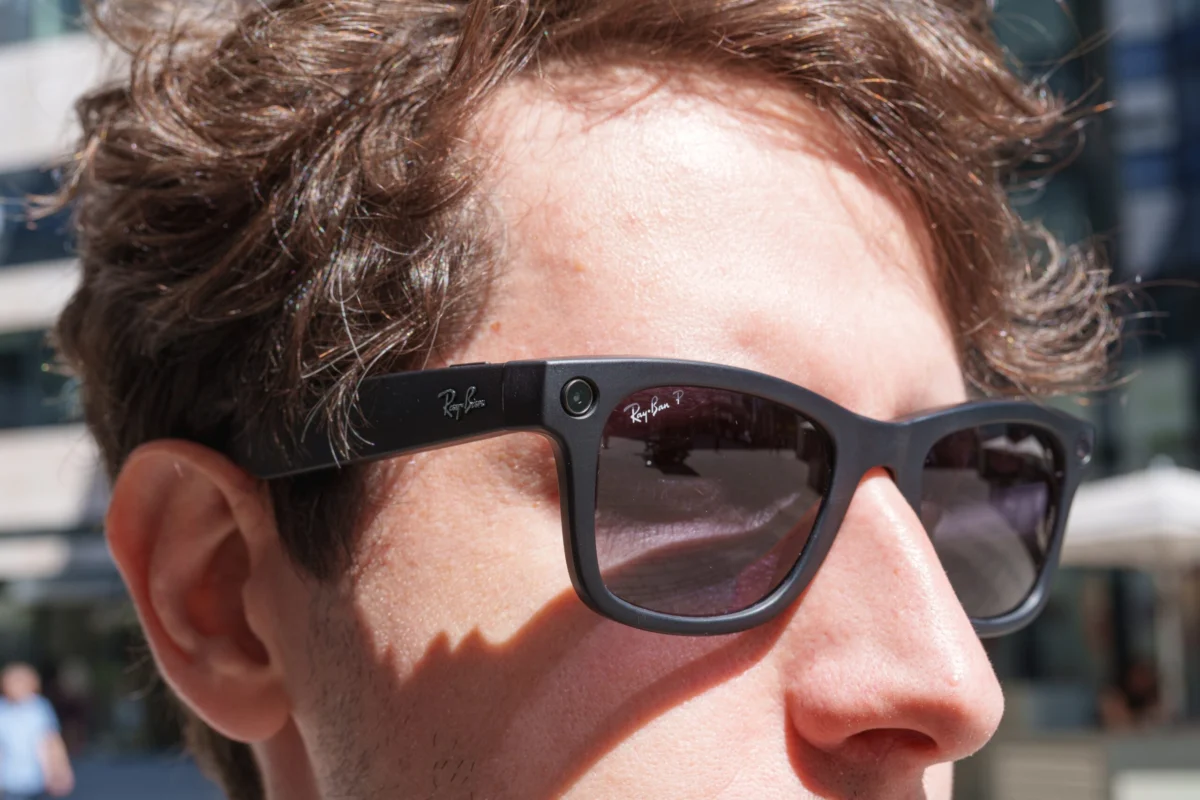
In a significant move that has undoubtedly sent shockwaves through a subset of its user base, Meta has begun remotely disabling the smart glasses of individuals caught attempting to secretly record others. This decisive action comes amidst a torrent of public outcry and mounting scrutiny over the misuse of the company’s wearable technology, particularly its role in facilitating non-consensual filming and harassment. The "bricking" — a term referring to the rendering of a device or its core functionalities unusable — targets specifically the photo and video capabilities of the glasses, effectively neutering their most controversial feature for those deemed to be abusing them.
The immediate catalyst for Meta’s crackdown was the discovery that numerous users were modifying their smart glasses to obscure or disable the crucial recording indicator lights. These lights, mandated by Meta as a privacy safeguard, are designed to clearly signal to bystanders when the device is actively capturing footage or images. By tampering with these visual cues, users were intentionally circumventing the mechanism meant to ensure transparency and, by extension, consent. The company, led by Mark Zuckerberg, had previously signaled its intent to combat such modifications, recognizing the severe reputational damage and ethical dilemmas posed by covert surveillance. This recent enforcement demonstrates a tangible commitment to that promise, albeit one prompted by immense public pressure.
The phenomenon of "pervert glasses" or "creep cams," as they have been colloquially dubbed, has ignited a fierce debate about privacy in public spaces, the boundaries of personal technology, and the responsibility of tech giants. Reports have proliferated detailing instances where the smart glasses were used to film individuals without their knowledge, often focusing on women and girls in vulnerable situations. From surreptitious recordings in public transport to brazen harassment captured in schools and social settings, the devices quickly became tools for voyeurism and intimidation, fostering an environment of distrust and anxiety. The remote bricking, therefore, serves as a stark warning to those who prioritize surreptitious recording over the privacy and safety of others.
While Meta did not disclose exact figures for the number of units bricked, its vice president of wearables, Alex Himel, provided a significant estimate. Himel told Semafor that less than one-tenth of one percent of all glasses sold had been tampered with in this manner. Given that Meta reportedly sold seven million units in 2025, this fraction translates to potentially up to 7,000 individual devices having their recording capabilities disabled. While 7,000 might seem like a small percentage of total sales, it represents a substantial number of instances where users actively sought to subvert privacy safeguards. More critically, this figure only accounts for users who physically modified their glasses. It does not encompass the potentially far greater number of individuals who might be using unmodified glasses for non-consensual recording, relying instead on the subtlety of the device or the unawareness of their subjects. This distinction underscores the systemic nature of the problem, suggesting that the misuse is not merely confined to a "few bad apples" but points to a broader challenge in controlling how pervasive recording technology is employed in society.
Meta’s response has not been limited to technical countermeasures. Instagram, a key platform within the Meta ecosystem, has also stepped up its efforts to curb the visible manifestation of this harassment. The social media giant recently initiated the suspension of accounts belonging to influencers who were using the smart glasses to film themselves aggressively hitting on or making sexually explicit and provocative comments toward girls and women. Adam Mosseri, head of Instagram, publicly pledged to "crackdown on the harassment in every way we can," signaling a multi-pronged approach that combines hardware control with content moderation. These actions, while commendable, are largely reactive, attempting to stem a tide of misuse that has already gained significant momentum. Critics argue that Meta’s belated intervention highlights a fundamental flaw in its product development process, where the potential for privacy infringements and harassment was not adequately addressed prior to market release.
The historical context of smart glasses is crucial here. Meta’s experience echoes the controversies faced by Google Glass a decade prior. Google’s pioneering wearable suffered from widespread public backlash, with wearers often labeled "Glassholes" due to fears of covert recording. Establishments, particularly bars and restaurants, preemptively banned the device. Meta’s glasses, with their enhanced capabilities and broader distribution, have reignited these anxieties on a much larger scale. The public’s memory of such privacy invasions, coupled with a growing awareness of digital surveillance, has made them less tolerant of similar technological intrusions. The "cat and mouse game" described by Himel is not just between Meta and its rogue users, but between technological advancement and societal norms, with privacy rights often playing catch-up.
In response to these pervasive concerns, members of the public and various establishments have taken matters into their own hands. Many private businesses, including popular nightclubs and cafes, have outright banned smart glasses from their premises, much like their predecessors did with Google Glass. This proactive stance reflects a deep-seated distrust in the technology and its users, prioritizing the comfort and privacy of their patrons over technological novelty. Beyond institutional bans, there are increasing reports of individuals directly confronting people wearing smart glasses in public, expressing their discomfort or demanding that recording cease. This social friction underscores the breakdown of unspoken agreements about public interaction and the personal space that devices like Meta’s smart glasses threaten to erode.
Looking ahead, the privacy landscape surrounding smart glasses is set to become even more complex and contentious. Meta is reportedly exploring the integration of facial recognition technology into its wearables. This prospect raises alarm bells for privacy advocates, who foresee a future where individuals could be identified and tracked without their consent or knowledge simply by walking down the street. The combination of always-on recording capabilities with facial recognition could transform public spaces into pervasive surveillance zones, challenging fundamental rights to anonymity and privacy. This potential enhancement adds another layer of urgency to the ongoing debate about responsible innovation and the ethical guardrails necessary for such powerful technologies.
The legal and ethical frameworks surrounding pervasive recording devices are still nascent and struggling to keep pace with technological advancements. Existing laws often differentiate between recording in public and private spaces, but the nuances of consent in a digitally augmented world are far more complex. The remote bricking action by Meta highlights the extraordinary power tech companies wield over devices they sell, raising questions about digital ownership and control. As Alex Himel acknowledged, "I don’t think we’ll ever be done… There’s always new ways to get around the safeguards that are in place." This ongoing struggle signifies that the burden of responsibility extends beyond manufacturers to policymakers, who must craft robust legislation, and to users, who must exercise ethical judgment.
In conclusion, Meta’s remote bricking of smart glasses used for surreptitious recording marks a significant, albeit reactive, step in addressing a pervasive privacy crisis. While it may provide some solace to those concerned about non-consensual surveillance, it also underscores the deep-seated challenges inherent in integrating powerful recording technology into everyday life. The "pervert glasses" controversy is more than just a saga of a few bad actors; it’s a profound societal reckoning with the implications of omnipresent cameras, the erosion of personal space, and the delicate balance between technological innovation and fundamental human rights. As smart wearables become more sophisticated and ubiquitous, the "cat and mouse game" between privacy and surveillance is only set to intensify, demanding constant vigilance from companies, regulators, and the public alike to ensure that technology serves humanity, rather than subverting its most basic freedoms.